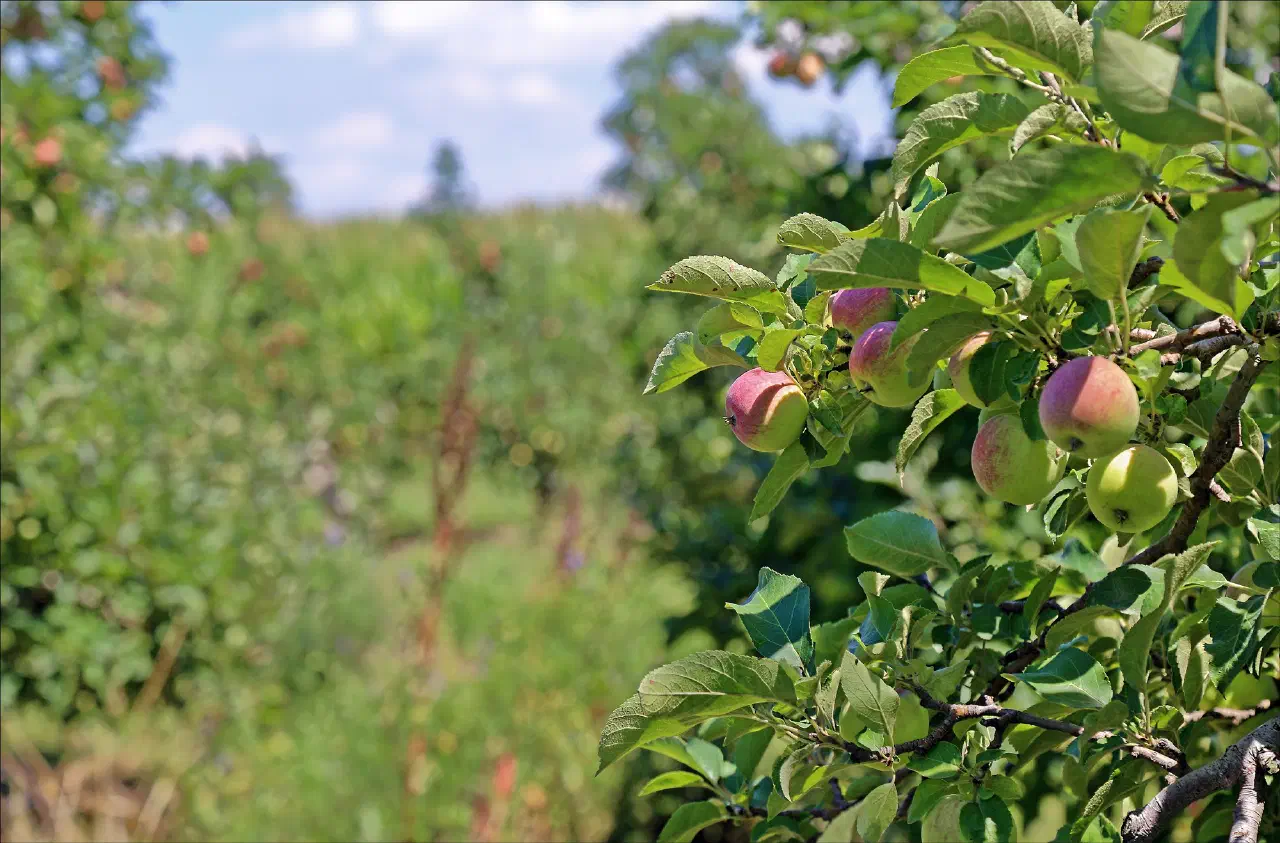
Water Has Memory
Tuesday at 6am. Eight minutes. Every week, regardless of what the previous week looked like. This is how most residential and small-scale commercial irrigation systems work. A timer, a programme, a schedule built around the convenience of the person who installed it rather than the needs of the living system it’s meant to serve. The controller doesn’t know that it rained 20mm on Sunday. It doesn’t know the soil is still saturated. It doesn’t know the canopy is wet and adding more water will encourage the fungal disease that’s been lurking at the edges of the patch for a fortnight.
Read More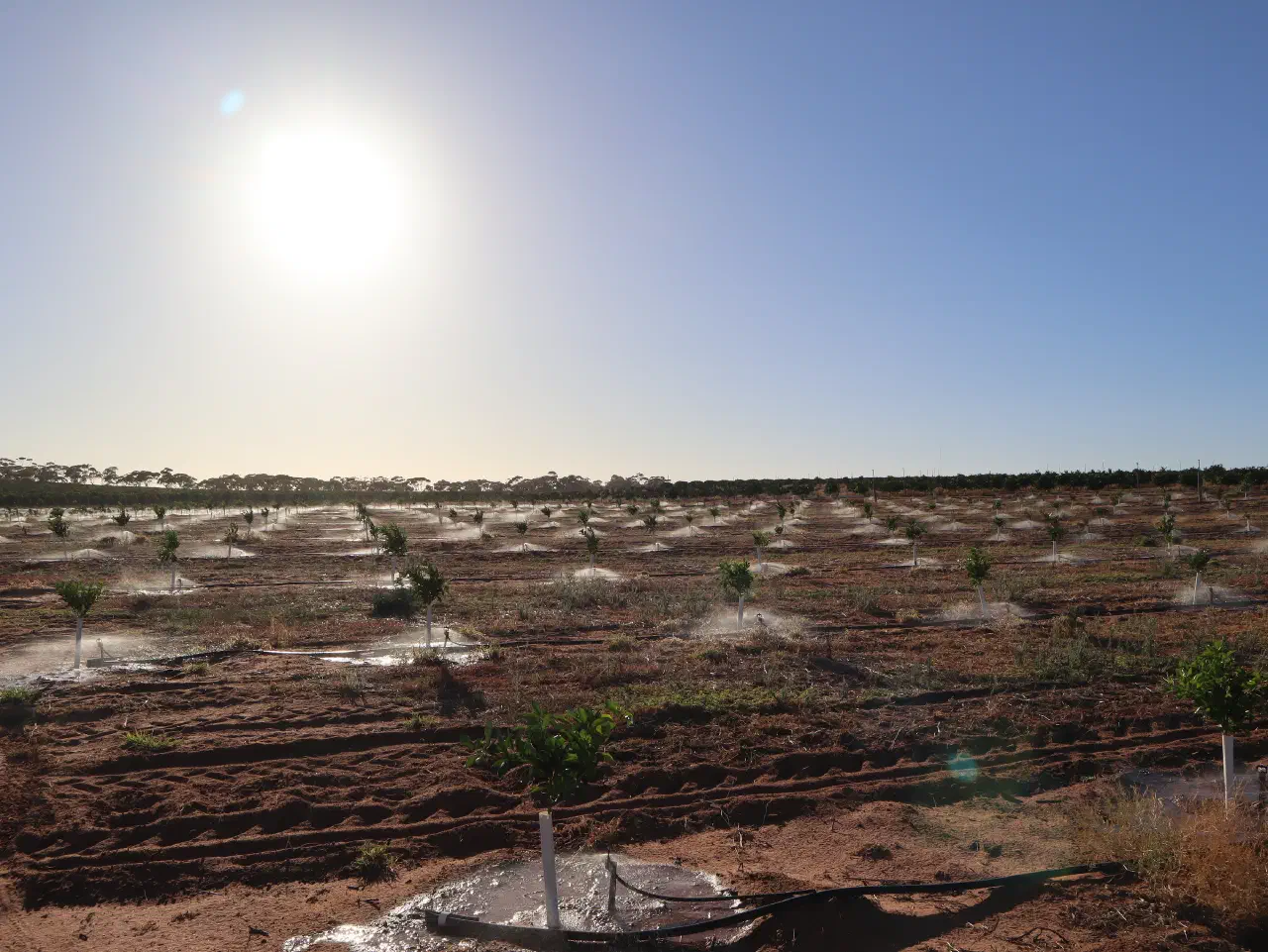
The Invisible Language of Plants
Plants don’t read thermometers. They don’t respond to temperature alone, or humidity alone. They respond to the relationship between them, specifically to the difference between the vapour pressure of water inside their leaves and the vapour pressure of the surrounding air. That difference has a name. Professional growers have used it for decades. Most small-scale horticulturalists have never encountered it. It’s called Vapour Pressure Deficit, and understanding it changes how you see every plant you’ve ever grown.
Read More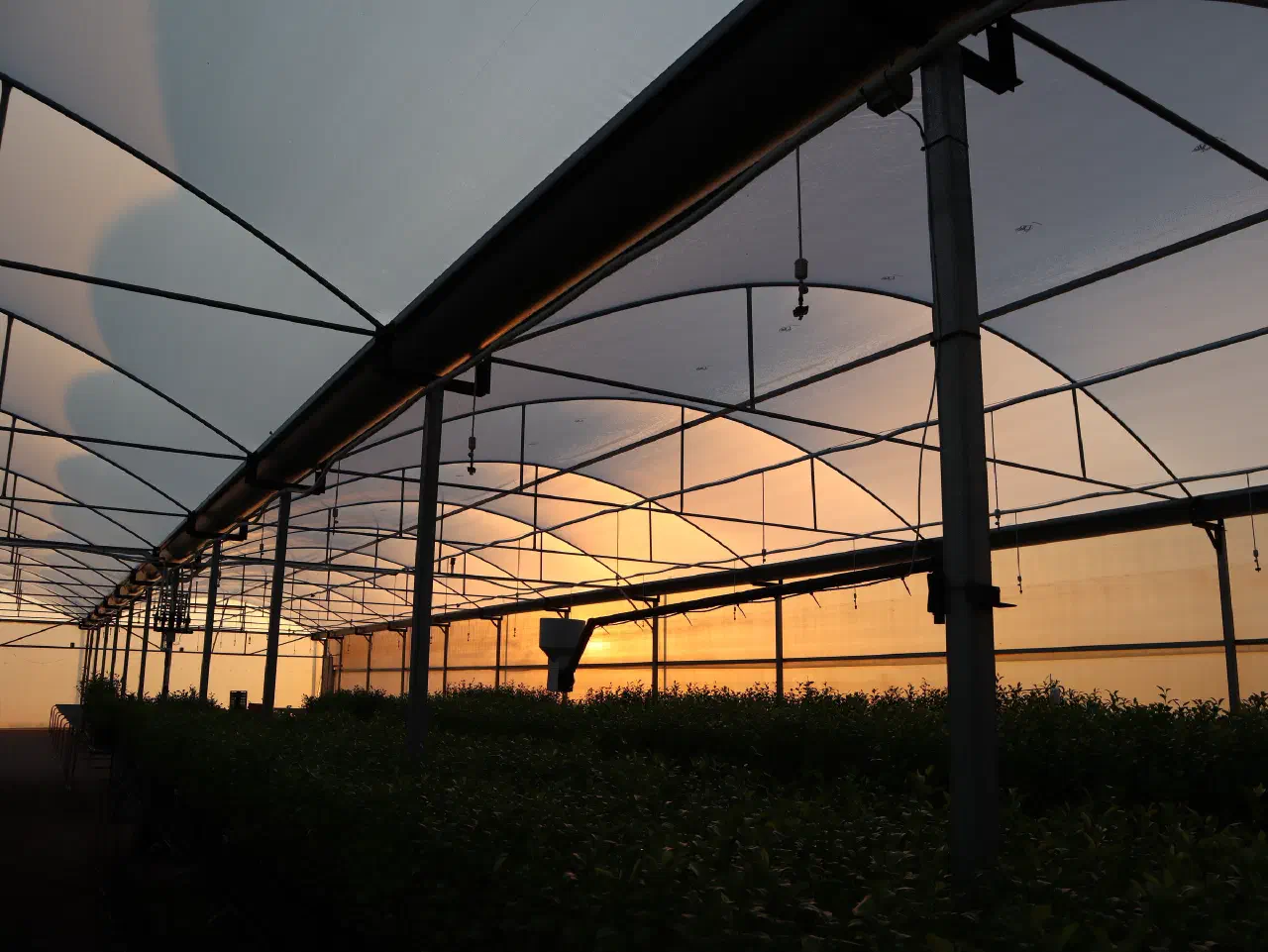
Reading the Air
Plants don’t read thermometers. They don’t respond to temperature alone, or humidity alone. They respond to the relationship between them: specifically, to the difference between the vapour pressure of water inside their leaves and the vapour pressure of the surrounding air. That difference has a name: Vapour Pressure Deficit, or VPD. It’s the metric that determines whether a plant is actively growing, conserving water, or quietly stressed. It drives transpiration, nutrient uptake, and stomatal behaviour. Commercial greenhouse operators have used VPD as their primary climate metric for decades. Most small-scale growers (market gardeners, hobby glasshouse operators, urban food producers) have never encountered it, because the equipment to measure and act on it has cost thousands of dollars and required specialist configuration.
Read More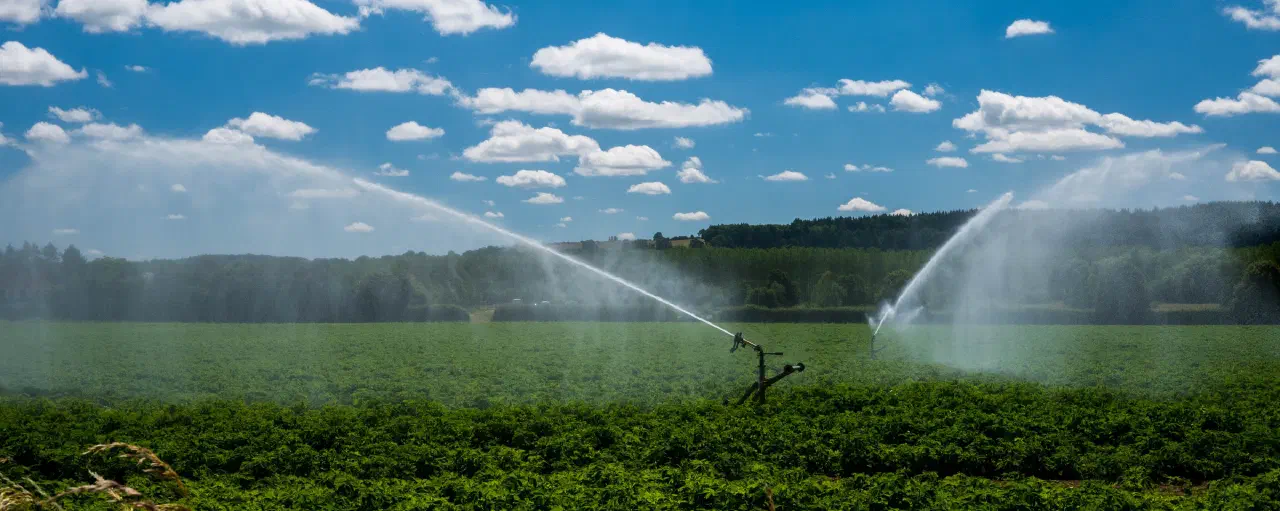
LoRaWAN Irrigation Control
South Australia is the driest state on the driest inhabited continent. We don’t have water to waste. Most irrigation systems ignore this. They run on timers. Tuesday at 6am, eight minutes, regardless of whether it rained yesterday, whether the soil is still saturated from last week, whether the leaves are already wet and adding more moisture would invite fungal disease. Industrial schedules applied to living systems. We’ve spent decades building agricultural infrastructure that treats water as if it were infinite.
Read More
DIY Wireless Fermentation Controller
Fermentation is a dance between control and surrender. We create the conditions, add the culture, and then step back to let an invisible world of microbes work its magic. But any fermenter knows that the environment is everything. The wild sourdough that thrives in a cool, humid kitchen might struggle in a warm, dry one. The perfect kimchi requires a consistent chill. A home-brewed beer like a lager demands a precise, unwavering cold fermentation, while an ale needs a steady warmth. The mash for a future distillation, perhaps using surplus lemons or plums from your own garden, needs to be kept at an optimal temperature to ensure a clean ferment, free of off-flavours. Even a simple Hard Lemon brew can turn if the temperature swings too wildly.
Read More