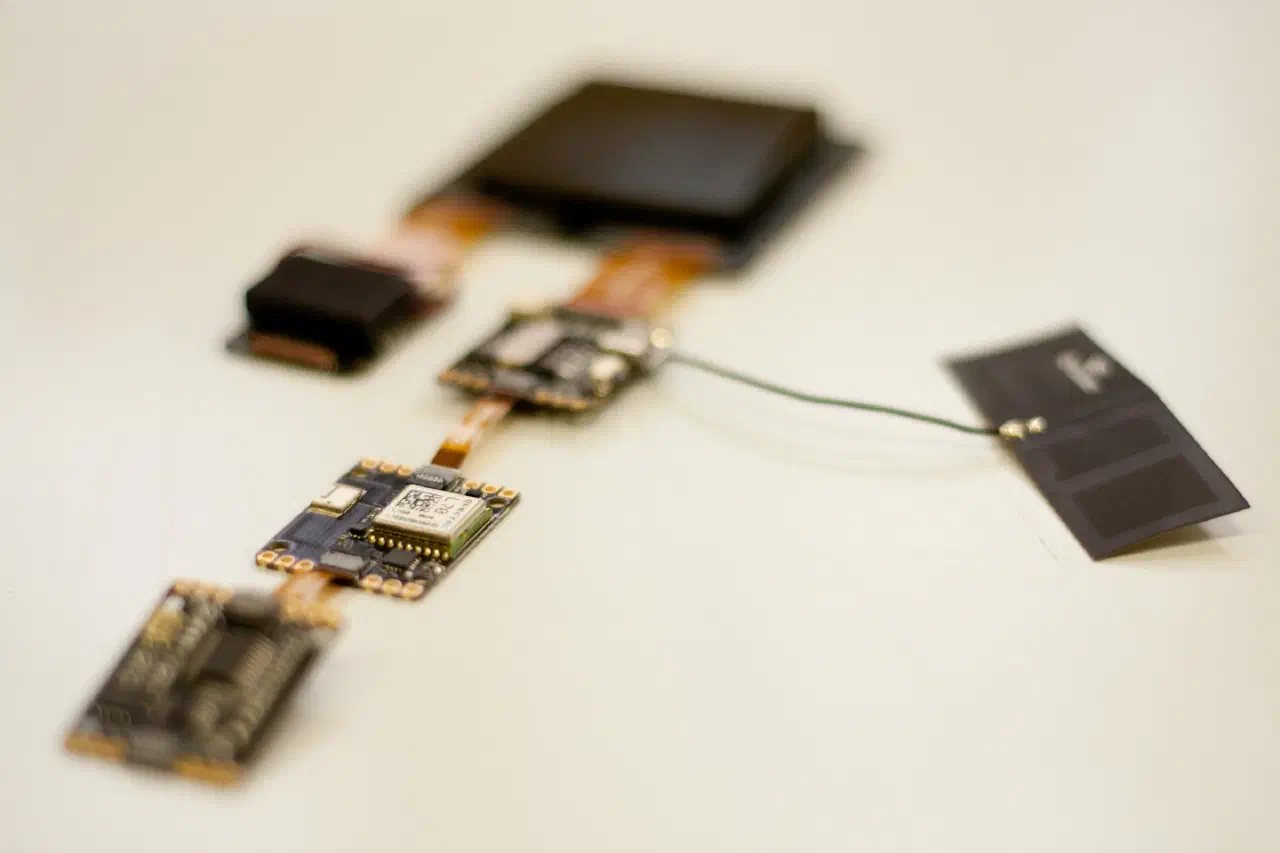
The SEIN Automation Stack
A soil moisture sensor that reads 24% is just a number. What makes it useful is the system around it: the infrastructure that receives that number, compares it to a threshold, and opens the right irrigation valve for the right duration. The infrastructure that logs the reading, shows it on a dashboard, and sends an alert if it drops to 15% at 2pm. Most of that infrastructure, if you buy it commercially, comes with strings attached. Cloud subscriptions. Proprietary APIs. Systems that stop working when the vendor changes their pricing or shuts down a service. We’ve built our own: open, local, and designed to outlast any company’s business model.
Read More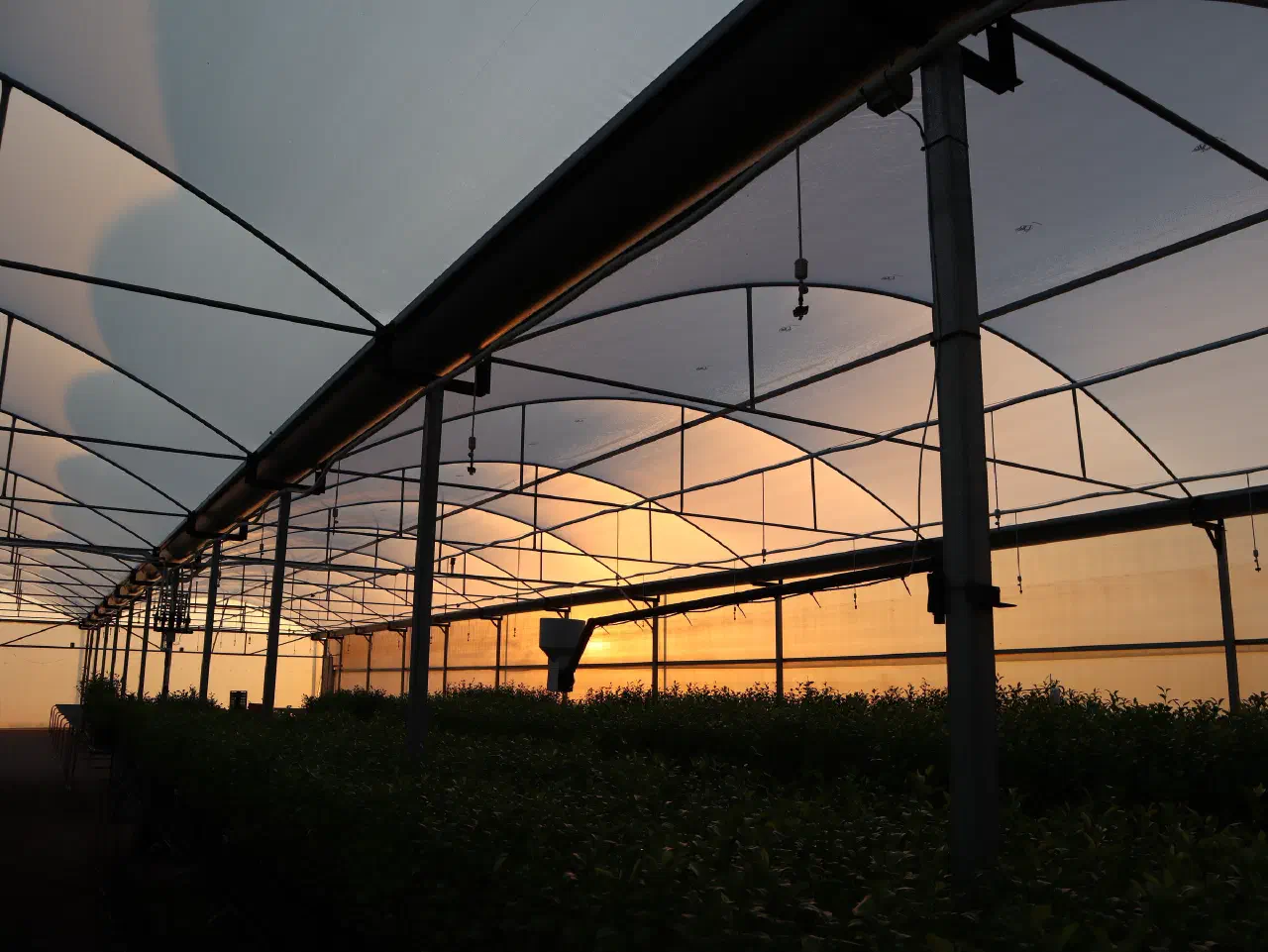
Reading the Air
Plants don’t read thermometers. They don’t respond to temperature alone, or humidity alone. They respond to the relationship between them: specifically, to the difference between the vapour pressure of water inside their leaves and the vapour pressure of the surrounding air. That difference has a name: Vapour Pressure Deficit, or VPD. It’s the metric that determines whether a plant is actively growing, conserving water, or quietly stressed. It drives transpiration, nutrient uptake, and stomatal behaviour. Commercial greenhouse operators have used VPD as their primary climate metric for decades. Most small-scale growers (market gardeners, hobby glasshouse operators, urban food producers) have never encountered it, because the equipment to measure and act on it has cost thousands of dollars and required specialist configuration.
Read More
The Things Network South Australia
In a world dominated by centralised, corporate-owned networks, what if we could build our own? What if the infrastructure for the Internet of Things (IoT), the very network that connects our sensors to the digital world, was owned and operated by the community it serves? This isn’t a hypothetical question. This is the reality of The Things Network (TTN) , and it represents the very essence of the ‘Sense’ philosophy at the heart of SEIN.
Read More