Your Smart Home Is a Rental
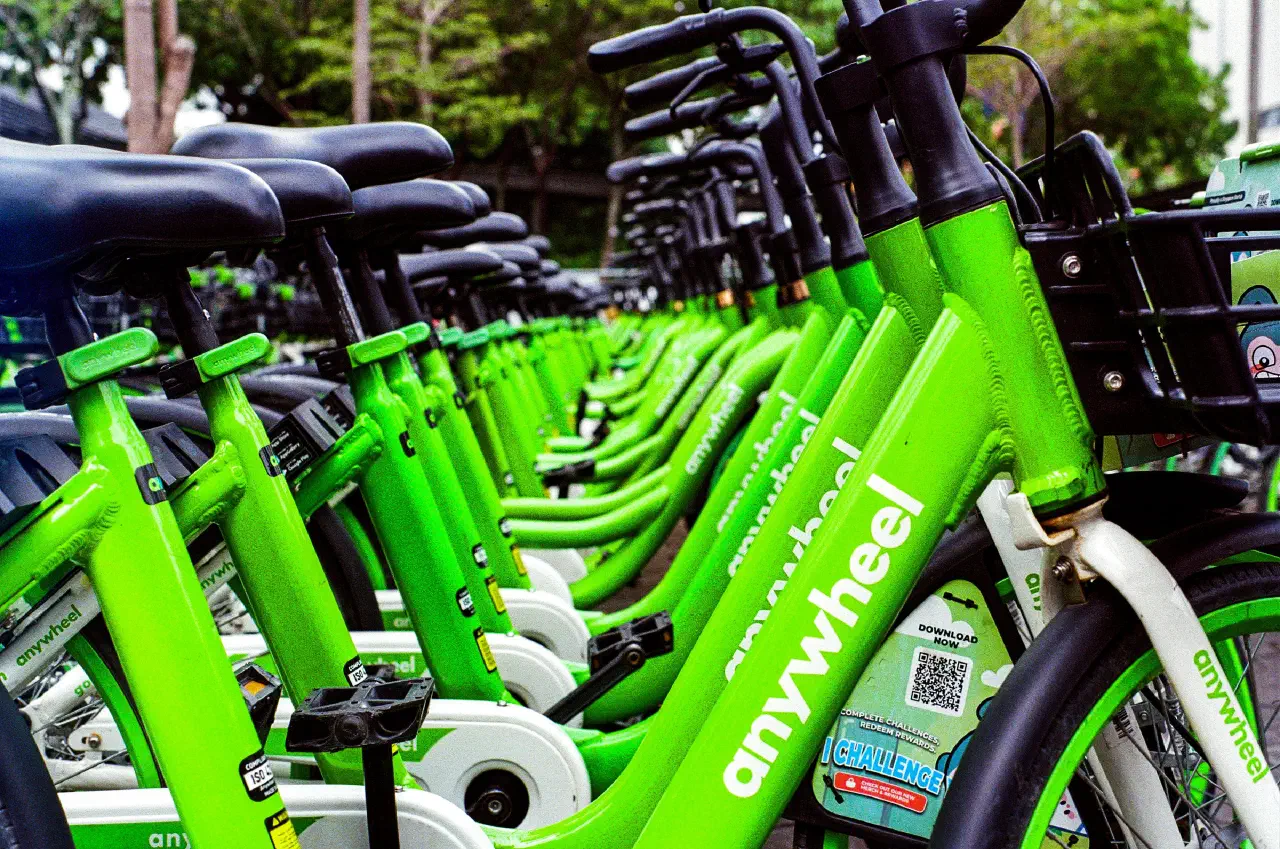
You paid $250 for a thermostat. It worked well for three years. Then the company changed their terms of service, and the device that had been operating locally now required a cloud connection (and a subscription) to access from your phone. You accepted the new terms, paid the monthly fee, and told yourself it was still worth it. Six months later, the company was acquired. Twelve months after that, the acquiring company announced that the platform was being discontinued. The thermostat was still physically functional, sitting on your wall, but without the servers it depended on, it became an expensive temperature display.
Read More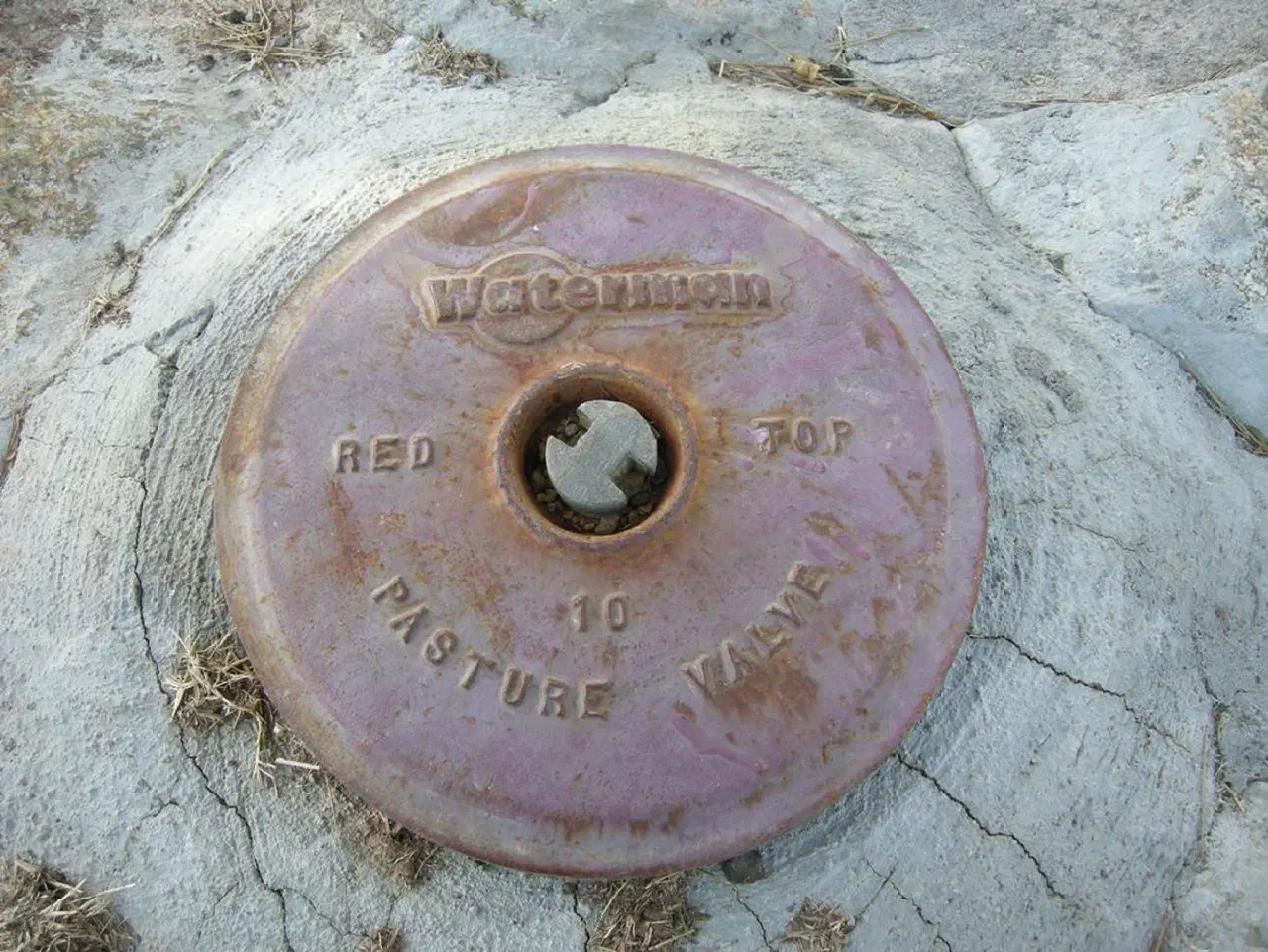
Fail-Safe by Default
The valve that closes itself. Not a clever feature: the minimum standard for any system that controls water near living things. If a microcontroller crashes mid-cycle and the irrigation solenoid stays open, a market garden can flood overnight. If a LoRaWAN connection drops after a valve opens and no close command ever arrives, the valve runs indefinitely. If a relay board loses power and restores its previous state on startup, it may turn on loads that should be off.
Read More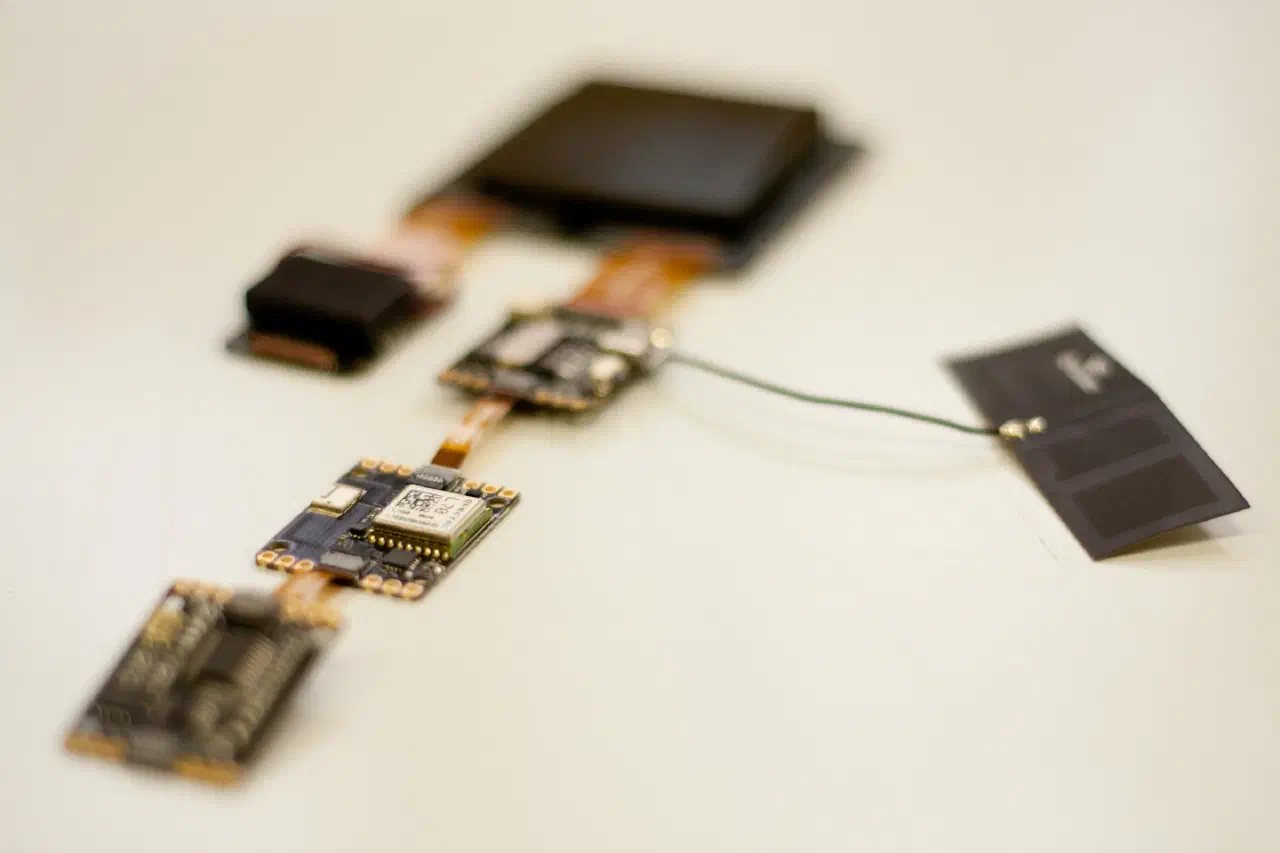
The SEIN Automation Stack
A soil moisture sensor that reads 24% is just a number. What makes it useful is the system around it: the infrastructure that receives that number, compares it to a threshold, and opens the right irrigation valve for the right duration. The infrastructure that logs the reading, shows it on a dashboard, and sends an alert if it drops to 15% at 2pm. Most of that infrastructure, if you buy it commercially, comes with strings attached. Cloud subscriptions. Proprietary APIs. Systems that stop working when the vendor changes their pricing or shuts down a service. We’ve built our own: open, local, and designed to outlast any company’s business model.
Read More
Stewarding the Digital Commons
Our digital world is built on a foundation of critical infrastructure that is largely invisible, often thankless, and dangerously precarious. As I wrote recently on my personal blog , the story of open-source projects like Reticulum is a stark reminder of this reality. We depend on the brilliance and dedication of a few individuals who often work for years with little to no financial support, only to face burnout and disillusionment.
Read More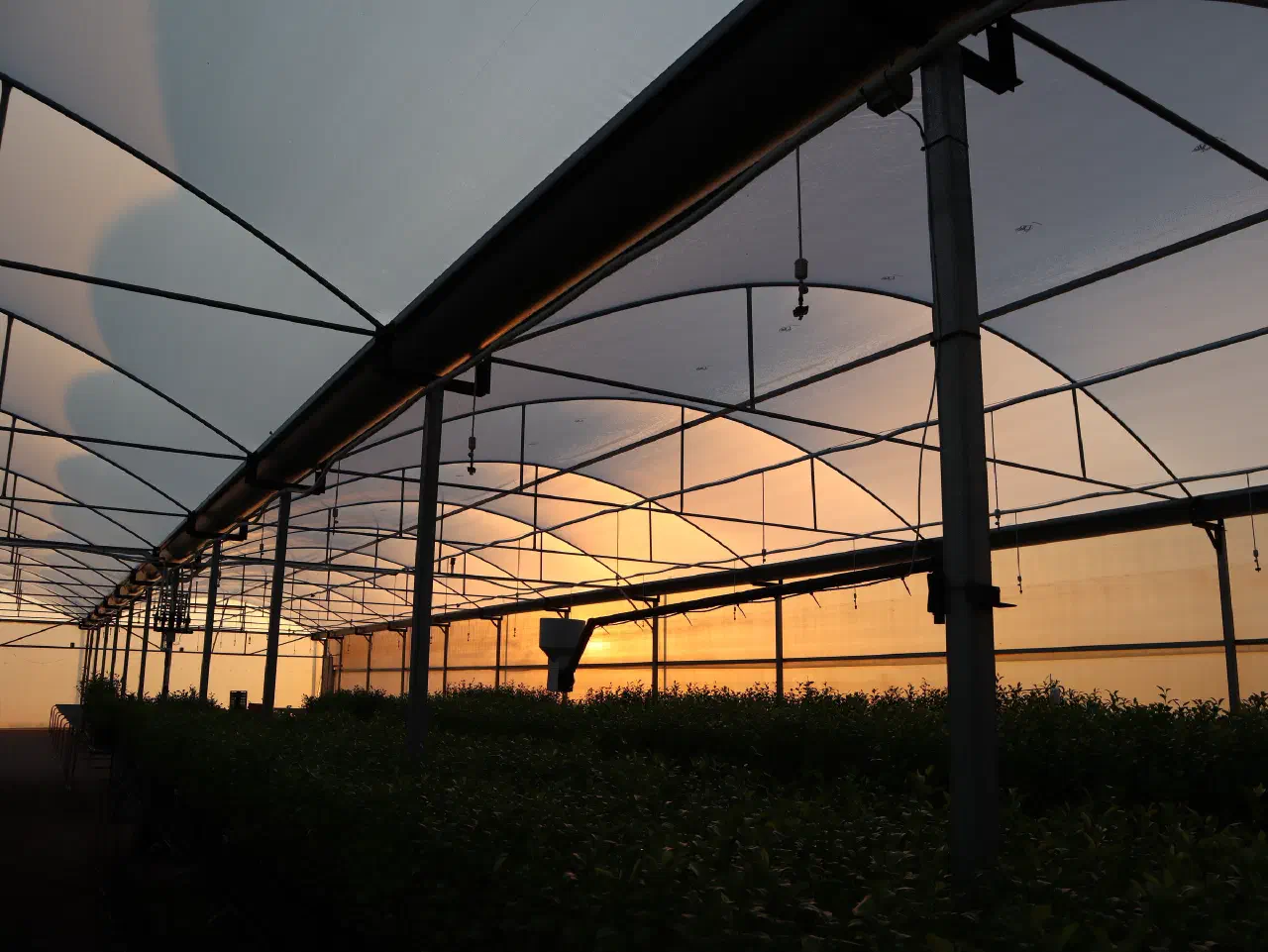
Reading the Air
Plants don’t read thermometers. They don’t respond to temperature alone, or humidity alone. They respond to the relationship between them: specifically, to the difference between the vapour pressure of water inside their leaves and the vapour pressure of the surrounding air. That difference has a name: Vapour Pressure Deficit, or VPD. It’s the metric that determines whether a plant is actively growing, conserving water, or quietly stressed. It drives transpiration, nutrient uptake, and stomatal behaviour. Commercial greenhouse operators have used VPD as their primary climate metric for decades. Most small-scale growers (market gardeners, hobby glasshouse operators, urban food producers) have never encountered it, because the equipment to measure and act on it has cost thousands of dollars and required specialist configuration.
Read More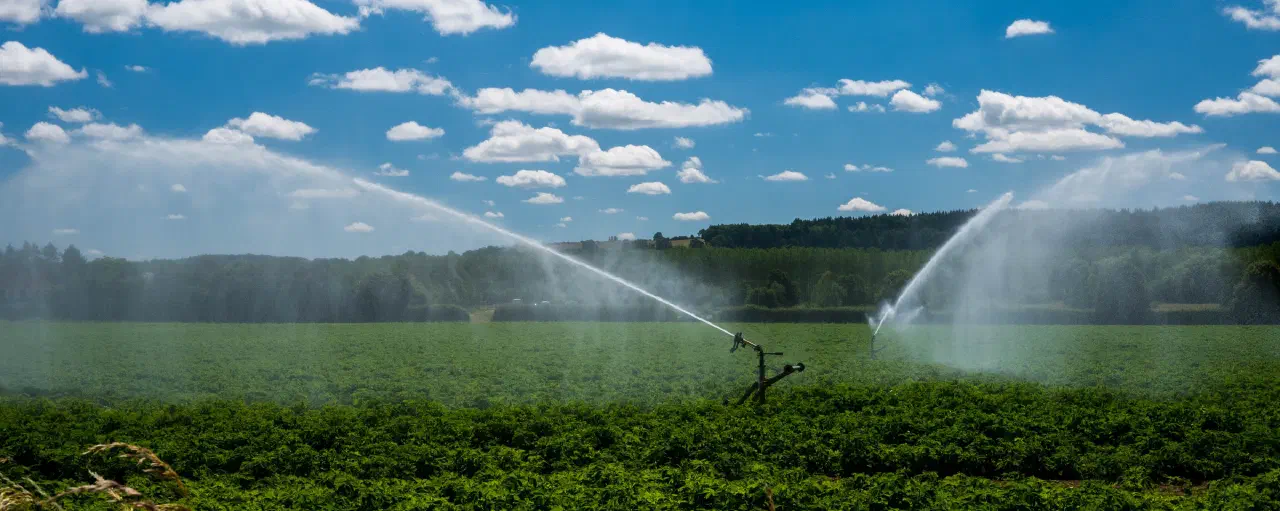
LoRaWAN Irrigation Control
South Australia is the driest state on the driest inhabited continent. We don’t have water to waste. Most irrigation systems ignore this. They run on timers. Tuesday at 6am, eight minutes, regardless of whether it rained yesterday, whether the soil is still saturated from last week, whether the leaves are already wet and adding more moisture would invite fungal disease. Industrial schedules applied to living systems. We’ve spent decades building agricultural infrastructure that treats water as if it were infinite.
Read More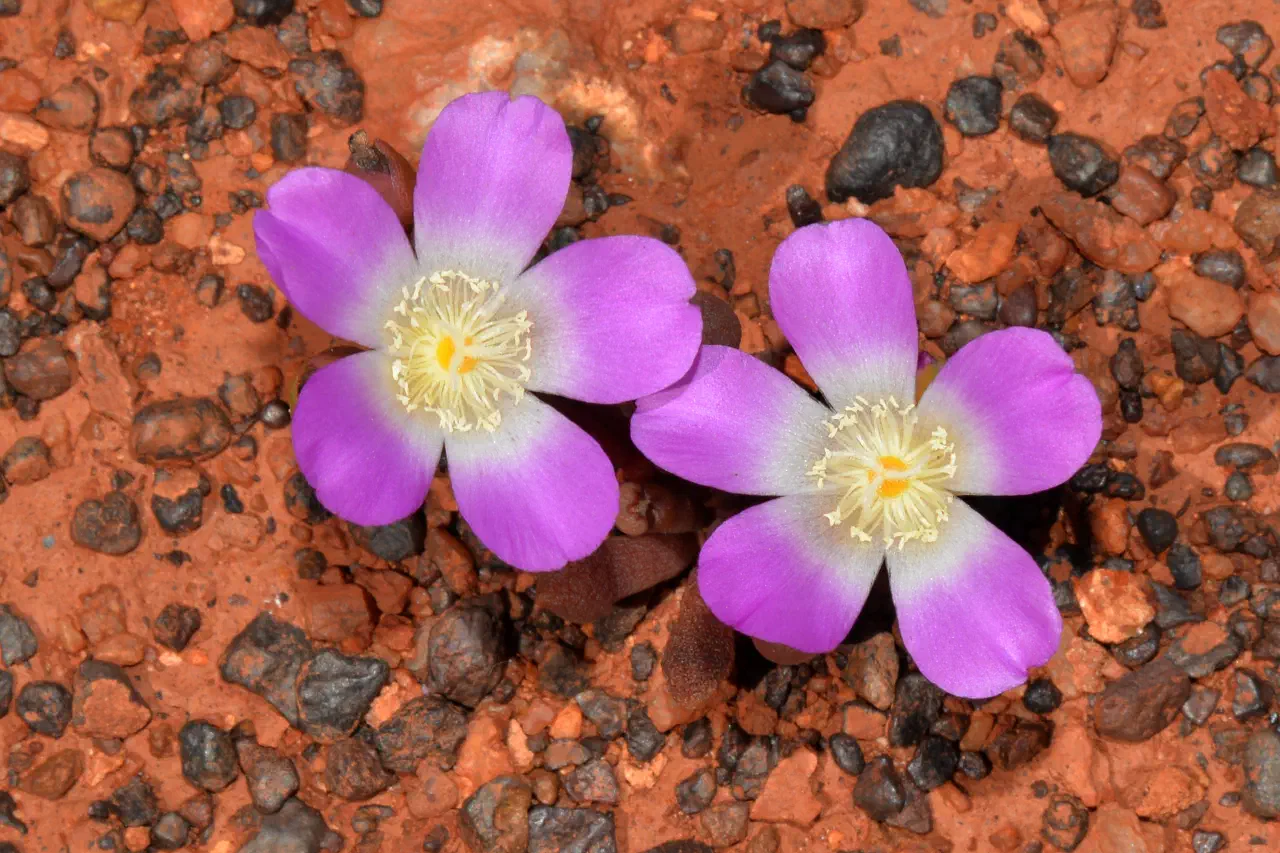
Investing in Outcomes
We have journeyed from the personal story behind GrowGood to the way its Blueprints are being designed to speak the language of your farm. Now, we arrive at the most crucial part of our conversation: the future we can grow together. This is a vision that extends beyond the farm gate, connecting our individual efforts into a powerful, collective force for regeneration. This goes beyond tools. The aim is to build infrastructure for a new kind of economy: one that invests in outcomes, not just outputs.
Read More
Speaking the Language of the Land
In our first conversation, we talked about the need to re-value farming: to move beyond tools of extraction and build something that honours the complexity of living systems. Now, let’s explore how we intend to do that. It starts by learning to speak the language of the land, one farm at a time. For too long, technology has demanded that farmers adapt to its rigid logic. The world of regenerative agriculture is diverse and dynamic: a market gardener thinks in beds and successions, a flower farmer in stems and bloom cycles, and a grazier in paddocks and pasture recovery times. Forcing them into a single, generic mould is not just inefficient; it’s an act of erasure. It silences the unique story of their farm.
Read More
Re-Valuing Our Roots
For most of my life, I’ve had one foot in the soil and the other in the digital world. It has been a journey of homecoming, a return to the values I learned growing up on a farm, looking after the land that sustained us. This journey has been guided by a single, persistent question: how can we build tools that honour nature’s complexity, instead of trying to conquer it?
Read More
Open Source Grow Planning: GrowGood
For too long, farm management software has been designed for an industrial mindset. It’s often rigid, expensive, and forces growers into a generic mould that ignores the diverse, living reality of regenerative agriculture. These tools are built on a philosophy of extraction, not regeneration, making it impossible to capture the true story of your farm: the story of soil being built, biodiversity returning, and ecological health being restored. This frustration was the seed from which GrowGood sprouted. GrowGood is our answer to this challenge. It is not another product for sale, but a digital commons resource we are building with and for the regenerative farming community. It is an open-source platform, community-built and maintained, designed to finally give growers a tool that speaks their language.
Read More
The Things Network South Australia
In a world dominated by centralised, corporate-owned networks, what if we could build our own? What if the infrastructure for the Internet of Things (IoT), the very network that connects our sensors to the digital world, was owned and operated by the community it serves? This isn’t a hypothetical question. This is the reality of The Things Network (TTN) , and it represents the very essence of the ‘Sense’ philosophy at the heart of SEIN.
Read More