Microbial Lessons for a Living Planet
When we begin to see fermentation not as a human trick but as a conversation between species, something shifts. The jar on the counter becomes a small model of the world — alive, adaptive, and full of intelligence that isn’t our own. These microbial communities show us, in miniature, how life sustains itself through cooperation, balance, and exchange. And if we pay attention, the lessons in that bubbling jar start to sound much larger — lessons not just about food, but about how to live well on a living planet.
Read More
Fermentation as a Revolutionary Act
What if one of the quietest ways to resist our broken food system is simply… to let food sit? To watch it bubble, fizz, and transform — guided not by factories or corporations, but by microbes, time, and our own hands? Fermentation looks humble — a jar on the counter, a cabbage in salt, a whiff of something alive. But hidden in that jar is something radical: a way of reclaiming control, rebuilding community, and slowing down a world that’s moving too fast for its own good.
Read More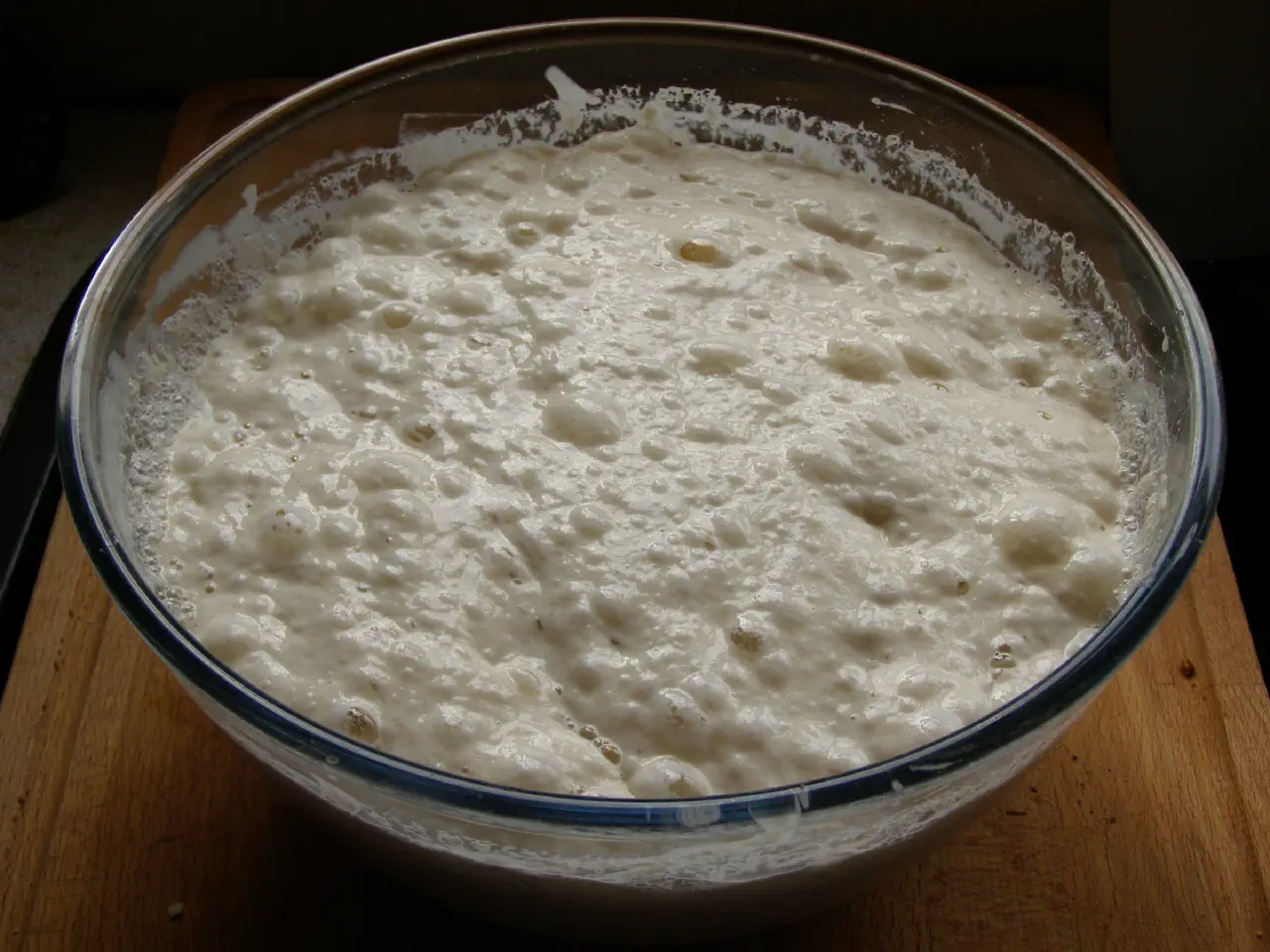
The Sourdough Keeper: A Starter Companion
To bake sourdough is to be a custodian of a living thing. The starter—that bubbling, breathing culture of wild yeast and bacteria—is the heart of the loaf. It’s a partner in the baking process, with its own rhythms, needs, and moods. And as any baker knows, its vitality is profoundly tied to temperature. The Baker’s Dilemma Our modern kitchens are rarely the ideal environment for this ancient lifeform. Temperatures swing with the seasons, the time of day, or whether the oven has been on. In winter, a starter can be sluggish, refusing to rise with the vigour needed for a great bake. In summer, it can ferment too quickly, becoming overly acidic and losing its strength.
Read More
DIY Wireless Fermentation Controller
Fermentation is a dance between control and surrender. We create the conditions, add the culture, and then step back to let an invisible world of microbes work its magic. But any fermenter knows that the environment is everything. The wild sourdough that thrives in a cool, humid kitchen might struggle in a warm, dry one. The perfect kimchi requires a consistent chill. A home-brewed beer like a lager demands a precise, unwavering cold fermentation, while an ale needs a steady warmth. The mash for a future distillation, perhaps using surplus lemons or plums from your own garden, needs to be kept at an optimal temperature to ensure a clean ferment, free of off-flavours. Even a simple Hard Lemon brew can turn if the temperature swings too wildly.
Read More