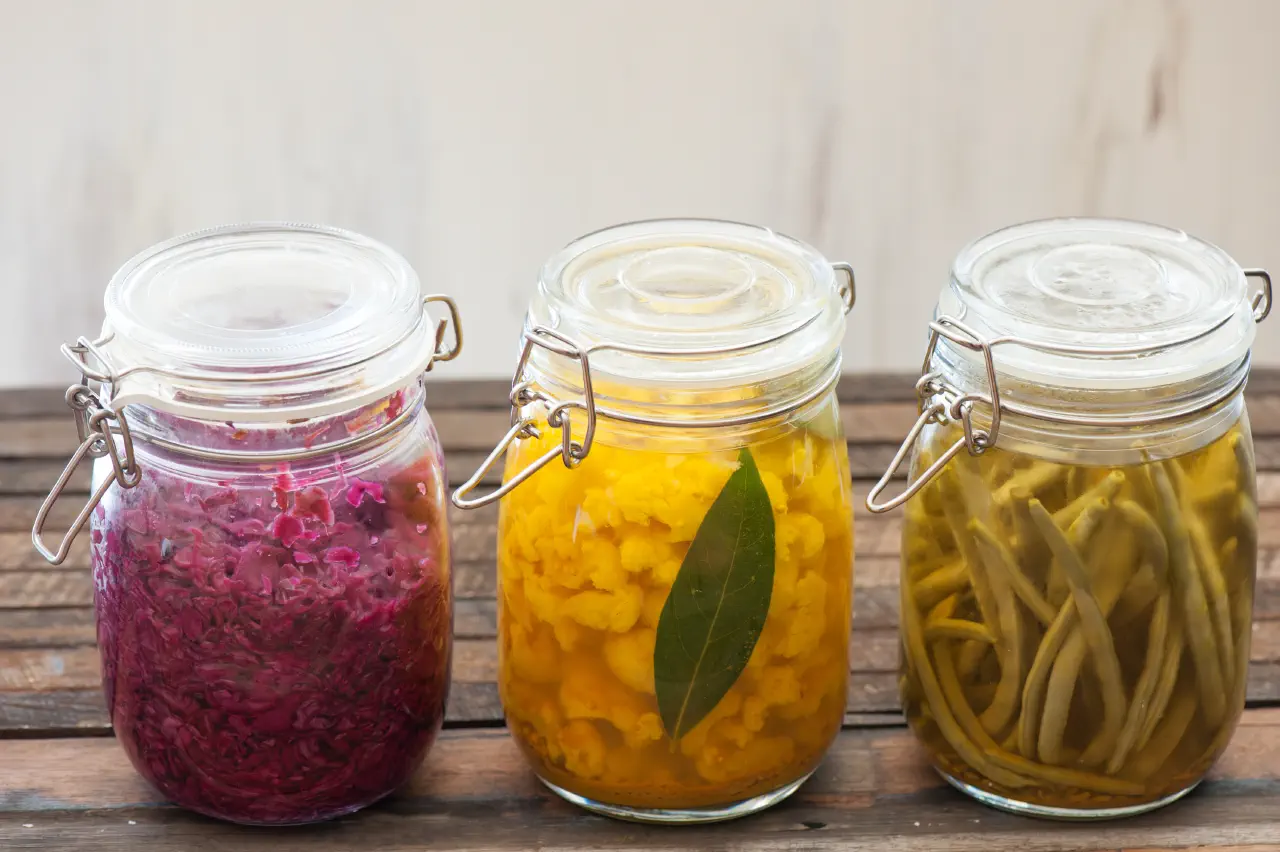
The Intelligence in the Jar
If you’ve ever stood over a jar of fermenting vegetables — watching bubbles rise, catching that sharp, tangy scent — you’re witnessing something extraordinary: an invisible ecosystem, busy at work. It’s easy to think of fermentation as chemistry, but really, it’s ecology — a dance of bacteria, yeasts, enzymes, and time. And when we ferment, we’re not the masters of this process. We’re the collaborators. The Microbial Majority For all our human cleverness, we’re a minority species. Microbes were here first, and they quietly run the planet — decomposing, recycling, fermenting, digesting, transforming.
Read More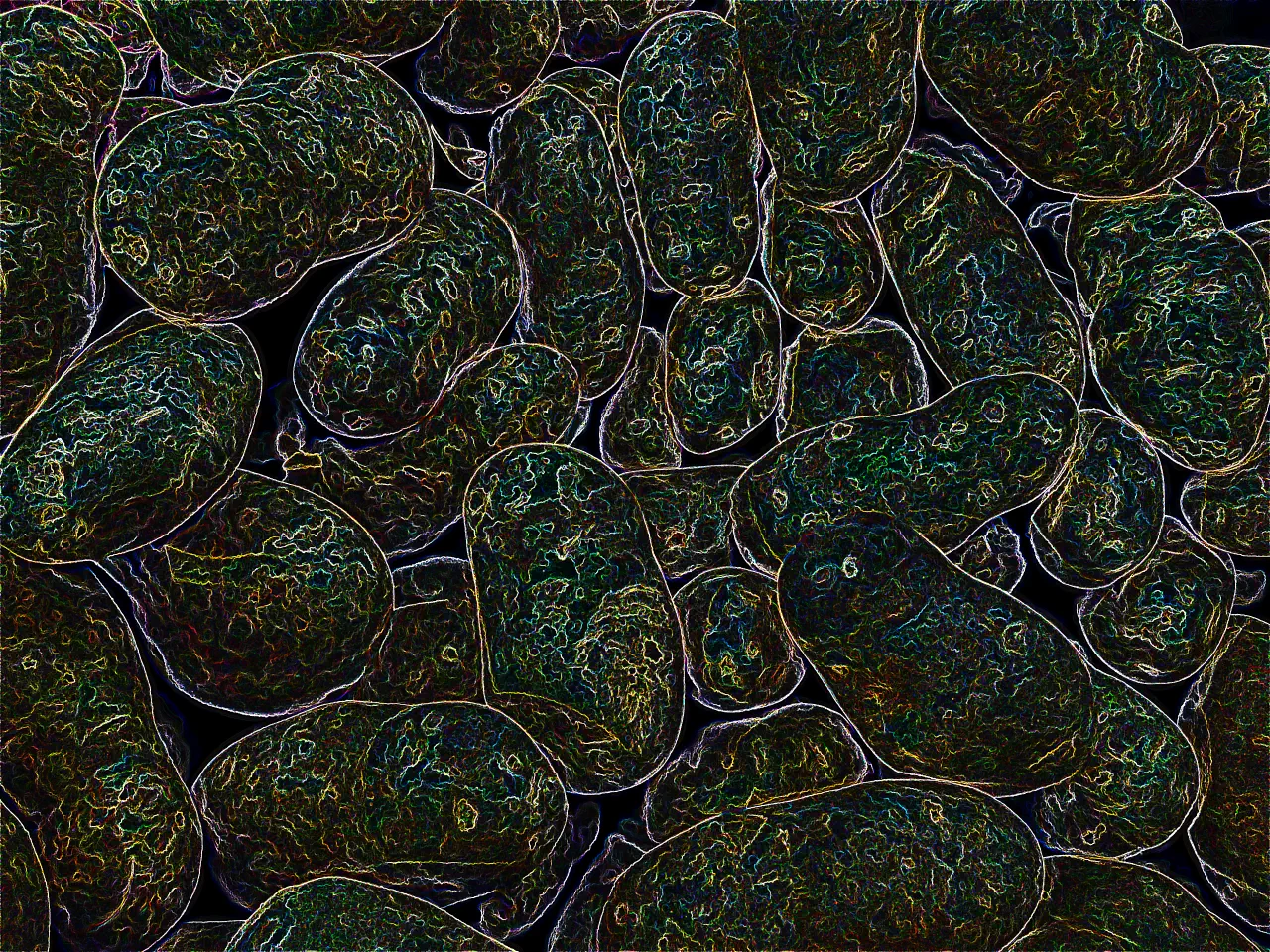
Microbial Lessons for a Living Planet
When we begin to see fermentation not as a human trick but as a conversation between species, something shifts. The jar on the counter becomes a small model of the world — alive, adaptive, and full of intelligence that isn’t our own. These microbial communities show us, in miniature, how life sustains itself through cooperation, balance, and exchange. And if we pay attention, the lessons in that bubbling jar start to sound much larger — lessons not just about food, but about how to live well on a living planet.
Read More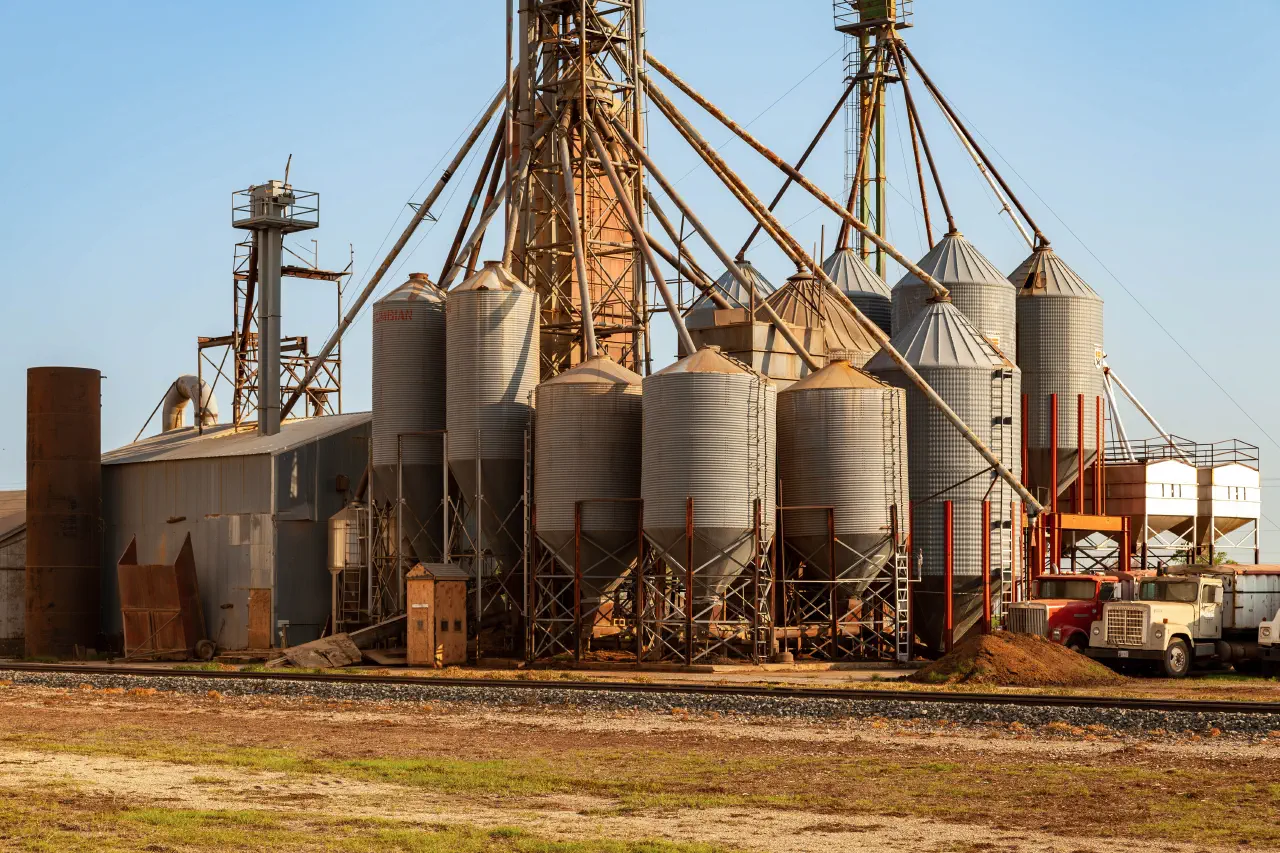
From Varieties to Commodities
Have you noticed how “choice” in the supermarket doesn’t really feel like choice anymore? A whole aisle of bread, yet most of it made from the same kind of wheat. Apples that all look perfect, but taste mostly of cold storage. Tomatoes that travel halfway around the world but somehow forgot what flavour is. Somewhere along the way, our food system got… simplified. Not for our benefit, but for the benefit of the system itself — the trucks, the supply chains, the supermarkets, the spreadsheets.
Read More