Your Smart Home Is a Rental
You paid $250 for a thermostat. It worked well for three years. Then the company changed their terms of service, and the device that had been operating locally now required a cloud connection (and a subscription) to access from your phone. You accepted the new terms, paid the monthly fee, and told yourself it was still worth it. Six months later, the company was acquired. Twelve months after that, the acquiring company announced that the platform was being discontinued. The thermostat was still physically functional, sitting on your wall, but without the servers it depended on, it became an expensive temperature display.
Read More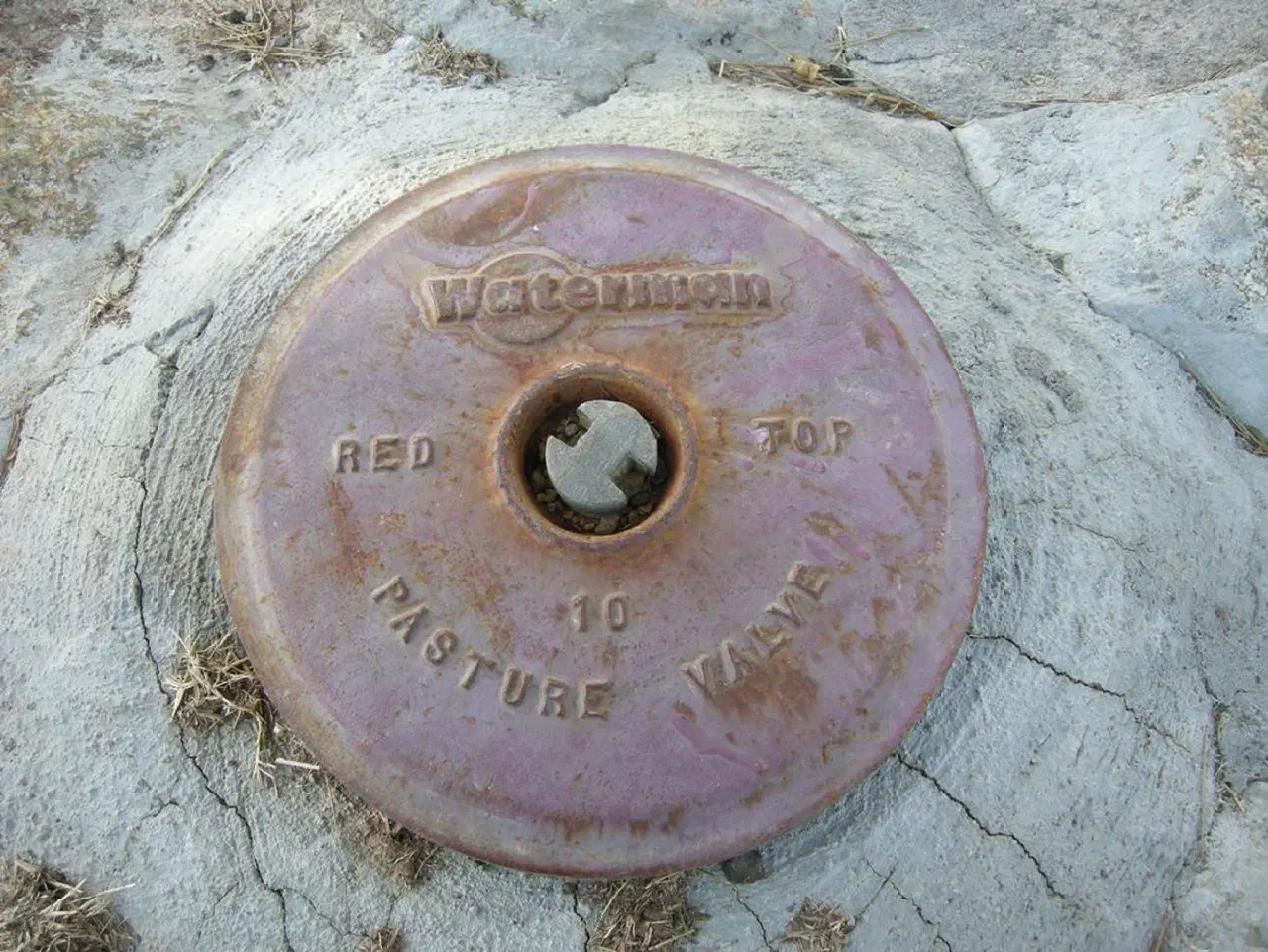
Fail-Safe by Default
The valve that closes itself. Not a clever feature: the minimum standard for any system that controls water near living things. If a microcontroller crashes mid-cycle and the irrigation solenoid stays open, a market garden can flood overnight. If a LoRaWAN connection drops after a valve opens and no close command ever arrives, the valve runs indefinitely. If a relay board loses power and restores its previous state on startup, it may turn on loads that should be off.
Read More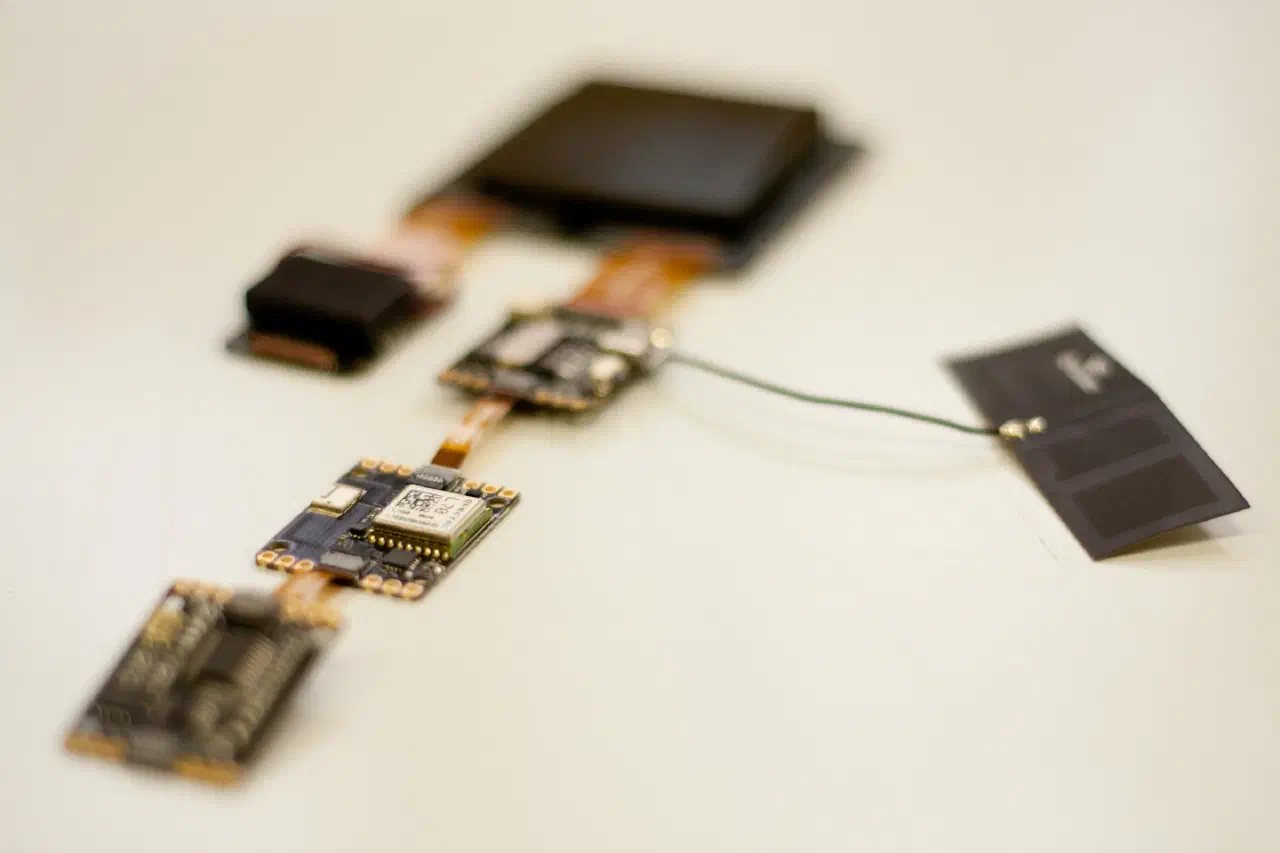
The SEIN Automation Stack
A soil moisture sensor that reads 24% is just a number. What makes it useful is the system around it: the infrastructure that receives that number, compares it to a threshold, and opens the right irrigation valve for the right duration. The infrastructure that logs the reading, shows it on a dashboard, and sends an alert if it drops to 15% at 2pm. Most of that infrastructure, if you buy it commercially, comes with strings attached. Cloud subscriptions. Proprietary APIs. Systems that stop working when the vendor changes their pricing or shuts down a service. We’ve built our own: open, local, and designed to outlast any company’s business model.
Read More