Fermentation is a dance between control and surrender. We create the conditions, add the culture, and then step back to let an invisible world of microbes work its magic. But any fermenter knows that the environment is everything. The wild sourdough that thrives in a cool, humid kitchen might struggle in a warm, dry one. The perfect kimchi requires a consistent chill. A home-brewed beer like a lager demands a precise, unwavering cold fermentation, while an ale needs a steady warmth. The mash for a future distillation, perhaps using surplus lemons or plums from your own garden, needs to be kept at an optimal temperature to ensure a clean ferment, free of off-flavours. Even a simple Hard Lemon brew can turn if the temperature swings too wildly.
Traditionally, we found these environments in nature: in root cellars, cool pantries, or basements. In our modern homes, creating that consistency is a challenge. This project is about reclaiming that control, not to dominate the process, but to become a better collaborator with our microbial partners.
We are building a DIY Wireless Fermentation Controller: an open-source project to create a small, sentient chamber where you can precisely manage temperature, humidity, and airflow. It’s about using modern technology to replicate the ancient wisdom of the cellar.
A Dialogue with Your Ferment
This isn’t an industrial black box. It’s an open, adaptable system designed to empower the home artisan. The controller acts as the brain for a simple chamber (like a modified old fridge or an insulated box), turning it into a responsive micro-environment.
The core features include:
- Temperature Control: Using a heating element and the chamber’s cooling system (or a thermoelectric cooler), it maintains a precise target temperature. This is critical for home-brewing beer, allowing you to step-mash or hold the steady 10°C needed for a clean lager ferment. It’s equally important for a distiller’s mash, where a consistent temperature profile ensures the yeast produces the desired esters without stress. For simpler projects like a Hard Lemon from garden fruit or making tempeh, it prevents spoilage by keeping the environment in the safe range.
- Humidity Management: A sensor-driven humidifier or dehumidifier maintains the ideal moisture level, crucial for processes like making salami or aging cheese: too-dry air forms a rind before the inside has matured, and too-wet air invites the wrong moulds.
- Airflow Regulation: A small, managed fan provides gentle air exchange, preventing unwanted mould and ensuring an even environment throughout the chamber rather than warm pockets near the heater and cold spots near the walls.
- Wireless Connectivity: This is where it comes alive. Using WiFi, the controller integrates seamlessly with platforms like Home Assistant, allowing you to monitor your ferment, adjust target conditions, and receive alerts from anywhere. For more remote or off-grid applications, we are building in LoRaWAN capability, allowing the chamber to connect to community-owned networks without relying on home WiFi infrastructure.
What the Monitoring Tells You
Fermentation is a process that unfolds over days or weeks. A data logger inside the chamber captures far more than a single temperature probe ever could. Over a full fermentation, you can see:
- Temperature curves: how quickly the chamber responds when you change targets, and whether the heater and cooler are fighting each other
- Humidity trends: whether the chamber holds moisture or whether your substrate is drying faster than expected
- Correlation with fermentation activity: a vigorous yeast ferment generates its own heat; you can see this in the temperature log as a distinct curve that emerges after pitching
- Alarm history: any moment the environment drifted outside the safe window, and for how long
This kind of record transforms each batch from an intuition-driven process into a replicable one. When a batch comes out well, you know exactly what conditions produced it. When something goes wrong, you have the data to understand why.
The Components of a Living Chamber
This project is designed to be built with accessible, open-source components. While we will provide detailed build logs and code in future posts, here is the conceptual blueprint:
- The Chamber: An old bar fridge is perfect, as it’s insulated and has a cooling system. An insulated cooler or custom-built box also works well for ambient-temperature ferments.
- The Brains: A WiFi-enabled microcontroller is the ideal core, powerful enough to manage sensors, relay switching, and wireless communication simultaneously without compromise.
- The Senses: A reliable combined temperature and humidity sensor provides the brain with real-time environmental data. We use sensors capable of reading both simultaneously, since VPD and humidity management require both measurements together.
- The Climate Toolkit:
- Heating: A low-wattage heating mat or small ceramic heater element, switched via relay.
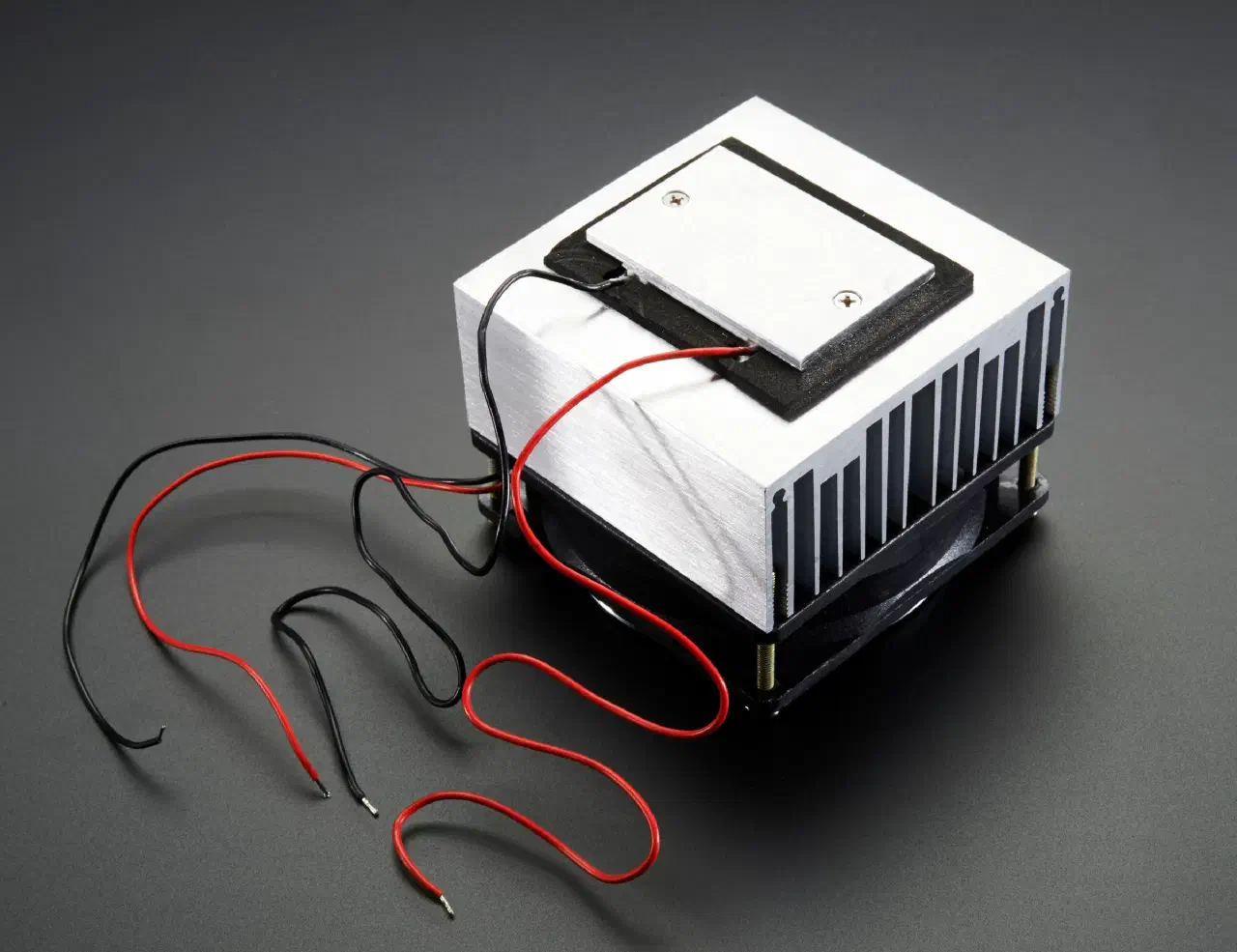
- Cooling: The fridge’s own compressor circuit for full refrigeration range, or a thermoelectric cooler for smaller builds that need modest cooling only.
- Humidity: A small ultrasonic humidifier with a humidity-triggered relay for passive chambers; an active dehumidifier element for chambers that need to stay dry.
- Airflow: A small DC fan running on a timed or sensor-triggered cycle.
- The Power: A relay board safely switches the higher-voltage components (fridge compressor, heater) based on commands from the microcontroller, with safety timers that prevent any load from staying on indefinitely.
Reconnecting the Circles: Why This Matters
This project is a perfect microcosm of the SEIN philosophy:
- Sense: We are using sensors to listen to the needs of a living system (the microbes working inside the chamber) and respond to what they tell us.
- Grow/Ferment: We are creating the ideal conditions for life to thrive, often using produce from our own gardens to complete the circle from seed to ferment.
- Openness: By making the project open-source and controllable via open platforms, we empower a community of makers to adapt, improve, and share. The LoRaWAN integration is a step towards a truly decentralised, community-owned infrastructure, free from corporate control.
Join Us in the Making
This is an active, evolving project. We are currently refining the hardware design and developing the open-source firmware. The goal is to create a simple, reliable, and powerful tool that any passionate fermenter can build and use.
We invite you to join the conversation. We’re looking for feedback and collaborators, from home brewers and small-scale distillers to artisan food producers and electronics enthusiasts.
This is more than a controller. It’s a tool for a deeper conversation with the microbial world. It’s a way to use technology to get closer to ancient crafts, and to make, share, and enjoy the fruits of our collaboration.
Detailed schematics, code, and build guides will be shared here as the project develops.