Grow
- Home /
- Categories /
- Grow
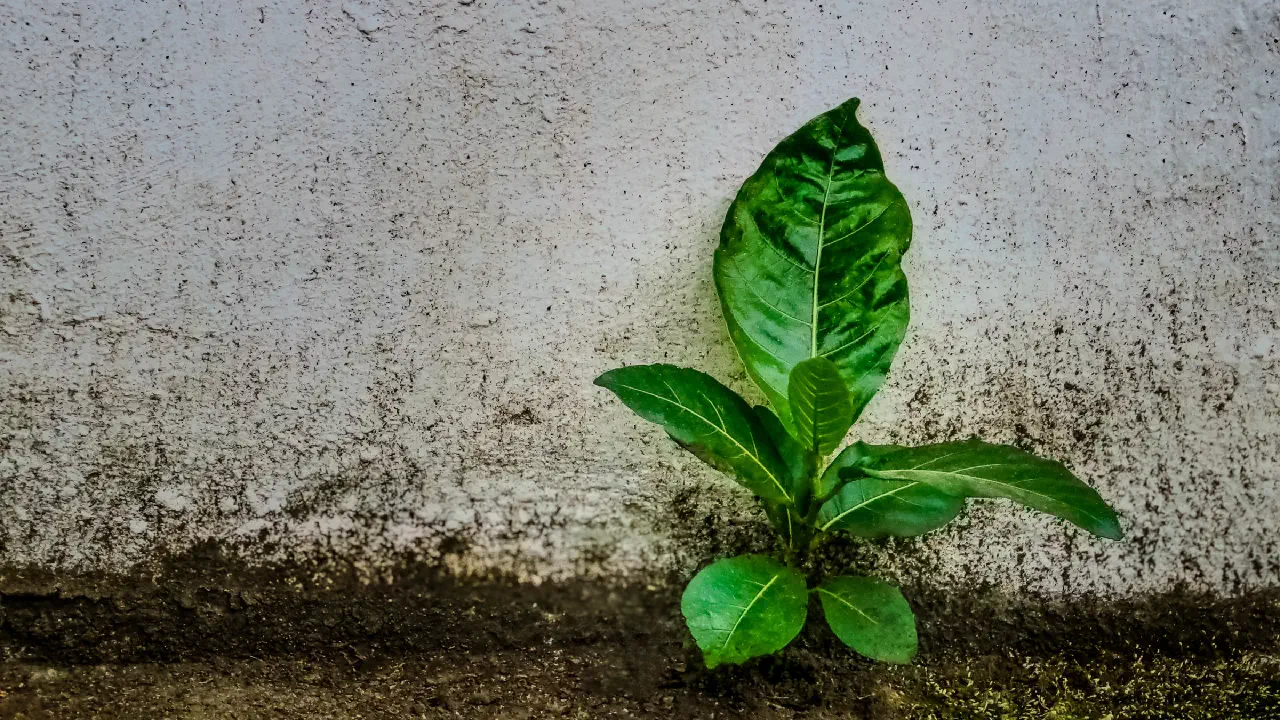
The Physics of Freedom
There are ideas so powerful they echo across different domains, revealing a fundamental truth about how the world works. Reading through The Zen of Reticulum , a foundational text for a new kind of communication network, I was struck by how its principles are not just about technology, but about the very physics of freedom and resilience. Reticulum is a network stack designed for a world where communication cannot be taken for granted. It is built to function over any available medium, with no central servers, and with privacy and security as its bedrock. It is, in essence, a system designed for self-sovereignty. Its philosophy rejects the extractive, controlling architectures that have come to define so much of the modern internet.
Read More
Investing in Outcomes
We have journeyed from the personal story behind GrowGood to the way its Blueprints are being designed to speak the language of your farm. Now, we arrive at the most crucial part of our conversation: the future we can grow together. This is a vision that extends beyond the farm gate, connecting our individual efforts into a powerful, collective force for regeneration. This goes beyond tools. The aim is to build infrastructure for a new kind of economy—one that invests in outcomes, not just outputs.
Read More
Speaking the Language of the Land
In our first conversation, we talked about the need to re-value farming—to move beyond tools of extraction and build something that honours the complexity of living systems. Now, let’s explore how we intend to do that. It starts by learning to speak the language of the land, one farm at a time. For too long, technology has demanded that farmers adapt to its rigid logic. The world of regenerative agriculture is diverse and dynamic—a market gardener thinks in beds and successions, a flower farmer in stems and bloom cycles, and a grazier in paddocks and pasture recovery times. Forcing them into a single, generic mould is not just inefficient; it’s an act of erasure. It silences the unique story of their farm.
Read More
Re-Valuing Our Roots
For most of my life, I’ve had one foot in the soil and the other in the digital world. It has been a journey of homecoming, a return to the values I learned growing up on a farm, looking after the land that sustained us. This journey has been guided by a single, persistent question: how can we build tools that honour nature’s complexity, instead of trying to conquer it?
Read More
The Fifty Shades of Regenerative
This morning, while doing my daily scroll through the RSS feeds (a ritual that still feels oddly rebellious in 2025), I noticed a theme popping up: “regenerative agriculture.” It’s everywhere. But what became starkly clear is that not all “regenerative” is created equal. First, I came across this piece from Daily Coffee News . It outlines a new certification scheme from the Rainforest Alliance focused on regenerative coffee farming. It feels grassroots, farmer-first, and run by a not-for-profit with a track record of actual field work. In short: it seems like the real deal. You can sense the soil under the fingernails.
Read More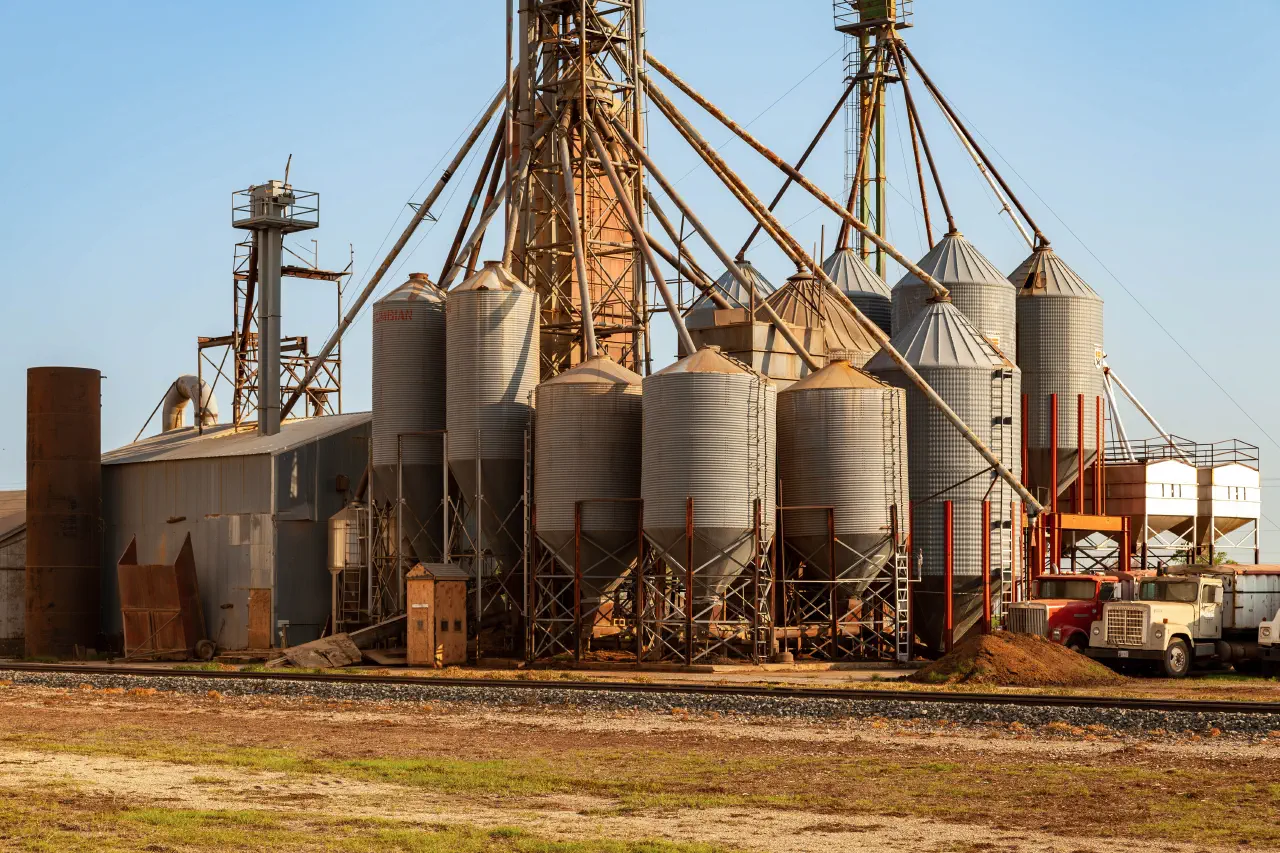
From Varieties to Commodities
Have you noticed how “choice” in the supermarket doesn’t really feel like choice anymore? A whole aisle of bread, yet most of it made from the same kind of wheat. Apples that all look perfect, but taste mostly of cold storage. Tomatoes that travel halfway around the world but somehow forgot what flavour is. Somewhere along the way, our food system got… simplified. Not for our benefit, but for the benefit of the system itself — the trucks, the supply chains, the supermarkets, the spreadsheets.
Read More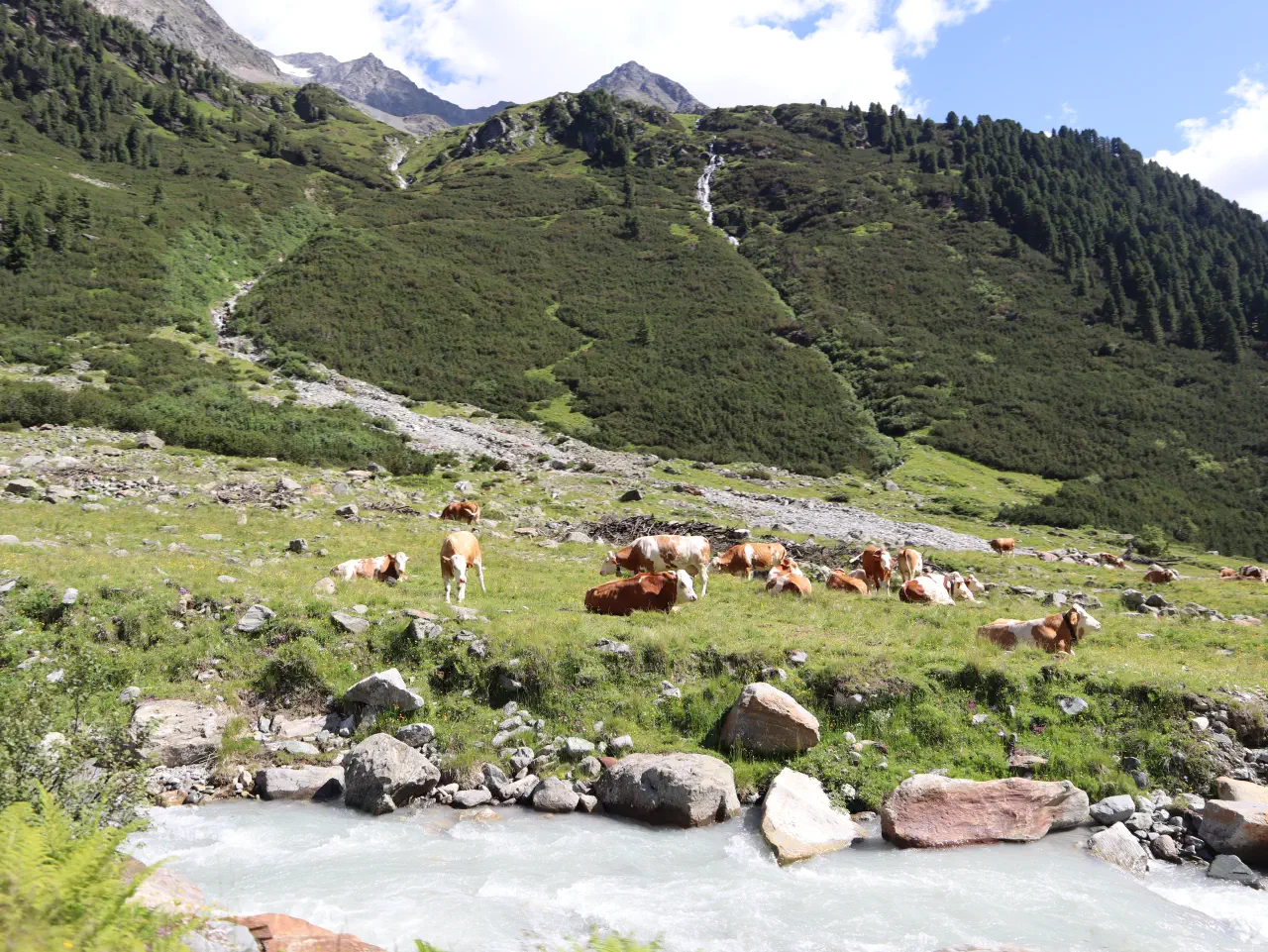
From Healthier Soil To A Fairer Fork
Let’s be honest. The way we produce and consume food is broken. It’s a system that looks great on the surface, with supermarket shelves overflowing with produce from every corner of the globe, available any time of year. But when you dig a little deeper, you find a system built on a house of cards, and it’s costing us more than we think. Our industrial food system is a master of illusion. It presents abundance while creating scarcity—scarcity of nutrients in our food, of biodiversity in our fields, of topsoil on our farms, and of fairness for the people who grow it. It’s a system built on an extractive model, where value is pulled from the land, from communities, and from our own bodies, with little thought for the long-term consequences.
Read More
A New Charter for the Forest
Back in 1217, a group of rebellious barons forced King John to sign the Charter of the Forest. It was a revolutionary document for its time, a declaration that the forests of England were not the private hunting grounds of the king, but a vital resource for the common people. It protected their rights to graze their animals, collect firewood, and forage for food. It was, in essence, a charter for a forest commons.
Read More
Open Source Grow Planning: GrowGood
For too long, farm management software has been designed for an industrial mindset. It’s often rigid, expensive, and forces growers into a generic mould that ignores the diverse, living reality of regenerative agriculture. These tools are built on a philosophy of extraction, not regeneration, making it impossible to capture the true story of your farm—the story of soil being built, biodiversity returning, and ecological health being restored. This frustration was the seed from which GrowGood sprouted. GrowGood is our answer to this challenge. It is not another product for sale, but a digital commons resource we are building with and for the regenerative farming community. It is a free, open-source platform designed to finally give growers a tool that speaks their language.
Read More
Sustainable Gardening: Projects with The Seasonal Garden
At SEIN, our ‘Grow’ philosophy is about nurturing a deeper connection to the land and our food, often augmented by thoughtful technology. We believe in empowering individuals to cultivate their own sustenance in ways that are both efficient and respectful of nature’s rhythms. It’s about bringing the wisdom of the garden into the modern home and community space. We are thrilled to partner with The Seasonal Garden , a local initiative that shares our passion for accessible, sustainable food production. Together, we’re exploring innovative solutions that integrate smart technology with beautiful design, helping you grow more with less.
Read More