Leo Gaggl
I’ve always been driven to solve problems. Growing up on a family farm in Austria, that meant learning to weld at eight to fix broken equipment. When I encountered a problem, the goal was always to use the resources at hand to find a solution. That instinct to build and fix has been the thread through my entire life.
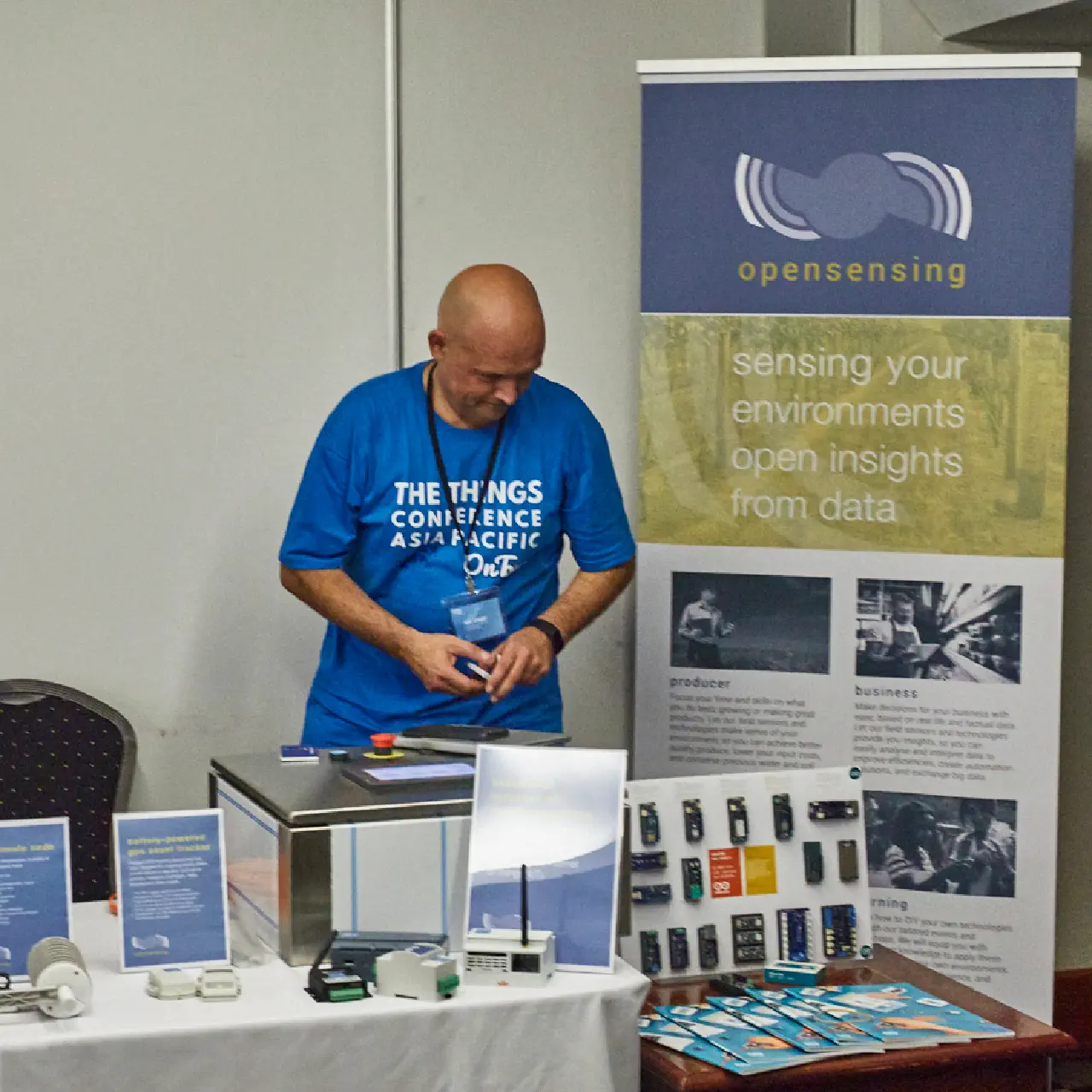
My fascination with technology began early, with a programmable calculator bought from the proceeds of selling cherries on the roadside. After moving to Australia in the mid-90s, I channeled that passion into a career in tech, co-founding a company that pioneered database-driven websites and later designing educational technology systems. Seeking to bridge the gap between the digital and the physical, I transitioned from my work in educational technology. This new phase of my journey was dedicated to the ‘Sense’ aspect of my work, focusing on long-range sensing with LoRaWAN as the primary person behind OpenSensing and as the convener of The Things Network South Australia. I enjoyed the challenge of building complex systems, but over time, I felt a growing disconnect between my work and the values I learned on the farm—a connection to the land, a respect for natural cycles, and a sense of community.
SEIN is my answer to that disconnect. It’s my personal journey to come full circle, to bring my two decades of experience in technology back to the world of agriculture and craftsmanship. It’s about using the tools of the digital world to help us reconnect with the physical one—with our food, our environment, and each other.
My work in here is focused on building open-source tools and sharing knowledge that helps people. Whether it’s through sensor technology for regenerative farming or by exploring the traditions of fermentation and distilling, my goal is the same: to connect people and things, and to build a future where technology serves not just efficiency, but life itself.

What Venice Still Has to Teach Us
I was standing inside St Mark’s Basilica on a recent trip to Venice, looking up at the mosaics while a wonderfully engaging guide walked us through the story of the Republic of Venice. She spoke not just about the art and architecture, but about something far more striking—how this small, lagoon-bound city managed to build a system that endured for around a thousand years. It’s one thing to read that fact in a book. It’s another to stand there, in a place shaped by that continuity, and feel the weight of it. Venice wasn’t just beautiful—it was stable, deliberate, and, for much of its life, remarkably effective.
Read More
Stewarding the Digital Commons
Our digital world is built on a foundation of critical infrastructure that is largely invisible, often thankless, and dangerously precarious. As I wrote recently on my personal blog , the story of open-source projects like Reticulum is a stark reminder of this reality. We depend on the brilliance and dedication of a few individuals who often work for years with little to no financial support, only to face burnout and disillusionment.
Read More
The Network is a Mycelial Web
In the quiet of the kitchen, a jar of vegetables begins to fizz. In the dark soil of a forest floor, a vast web of mycelium connects tree to tree. These are not just biological processes; they are living networks, operating on principles that make our most advanced human systems look primitive and fragile. As I’ve written before, there are profound microbial lessons for a living planet . The intelligence at work is decentralised, cooperative, and stunningly resilient. There is no CEO of the sourdough starter, no central server for the forest floor. The system works because it is a network of autonomous peers, each sensing and responding to its local environment, contributing to the health of the whole.
Read More
The Physics of Freedom
There are ideas so powerful they echo across different domains, revealing a fundamental truth about how the world works. Reading through The Zen of Reticulum , a foundational text for a new kind of communication network, I was struck by how its principles are not just about technology, but about the very physics of freedom and resilience. Reticulum is a network stack designed for a world where communication cannot be taken for granted. It is built to function over any available medium, with no central servers, and with privacy and security as its bedrock. It is, in essence, a system designed for self-sovereignty. Its philosophy rejects the extractive, controlling architectures that have come to define so much of the modern internet.
Read More
Part IV: Reclaiming Our Systems
Part IV: Reclaiming Our Systems, Our Humanity, and the Future We’ve seen the damage. A legal fiction with no conscience now has immense control over how we eat, how we heal, and how we live. In this series, I’ve tried to trace how corporate personhood mutated into a monster with more rights and power than any single citizen. We’ve looked at how this structure turned our food system into a machine that profits from hunger and disease, and how it hijacked our health system to monetise sickness.
Read More
Part III: Sick by Design
Part III: Sick by Design – How Shareholder Health Care Profits from Human Suffering I think most of us want to believe that healthcare exists to make people well. That hospitals are sanctuaries and doctors are healers. That the system, for all its flaws, is fundamentally trying to help. But when I peel back the glossy brochures and the soothing language of “care,” I find something much colder at the centre of it all: a corporate machine engineered not to heal, but to monetise illness.
Read More
Part II: Food for Profit
Part II: Food for Profit – How Corporations Engineered Hunger in a World of Plenty In a world of unprecedented agricultural abundance, I am sure that I am not the only one who is struck by the cruel paradox that billions still go hungry, while others are dying from diseases of overconsumption. This situation—scarcity amid plenty, malnutrition amid surplus—is no accident. I believe it is the calculated outcome of a food system built not to feed people, but to feed profits.
Read More
Part I: The Legal Lie
Part I: The Legal Lie How Corporate Personhood Slowly Broke the World I’ve always held a firm belief that in a democracy, we, the people, are supposed to be in charge. Yet, over the last 150 years, we’ve mostly missed a silent coup unfold—one that has steadily replaced the citizen with the shareholder, the voter with the lobbyist, and the human being with a legal fiction: the corporation as a person.
Read More
Investing in Outcomes
We have journeyed from the personal story behind GrowGood to the way its Blueprints are being designed to speak the language of your farm. Now, we arrive at the most crucial part of our conversation: the future we can grow together. This is a vision that extends beyond the farm gate, connecting our individual efforts into a powerful, collective force for regeneration. This goes beyond tools. The aim is to build infrastructure for a new kind of economy—one that invests in outcomes, not just outputs.
Read More
Speaking the Language of the Land
In our first conversation, we talked about the need to re-value farming—to move beyond tools of extraction and build something that honours the complexity of living systems. Now, let’s explore how we intend to do that. It starts by learning to speak the language of the land, one farm at a time. For too long, technology has demanded that farmers adapt to its rigid logic. The world of regenerative agriculture is diverse and dynamic—a market gardener thinks in beds and successions, a flower farmer in stems and bloom cycles, and a grazier in paddocks and pasture recovery times. Forcing them into a single, generic mould is not just inefficient; it’s an act of erasure. It silences the unique story of their farm.
Read More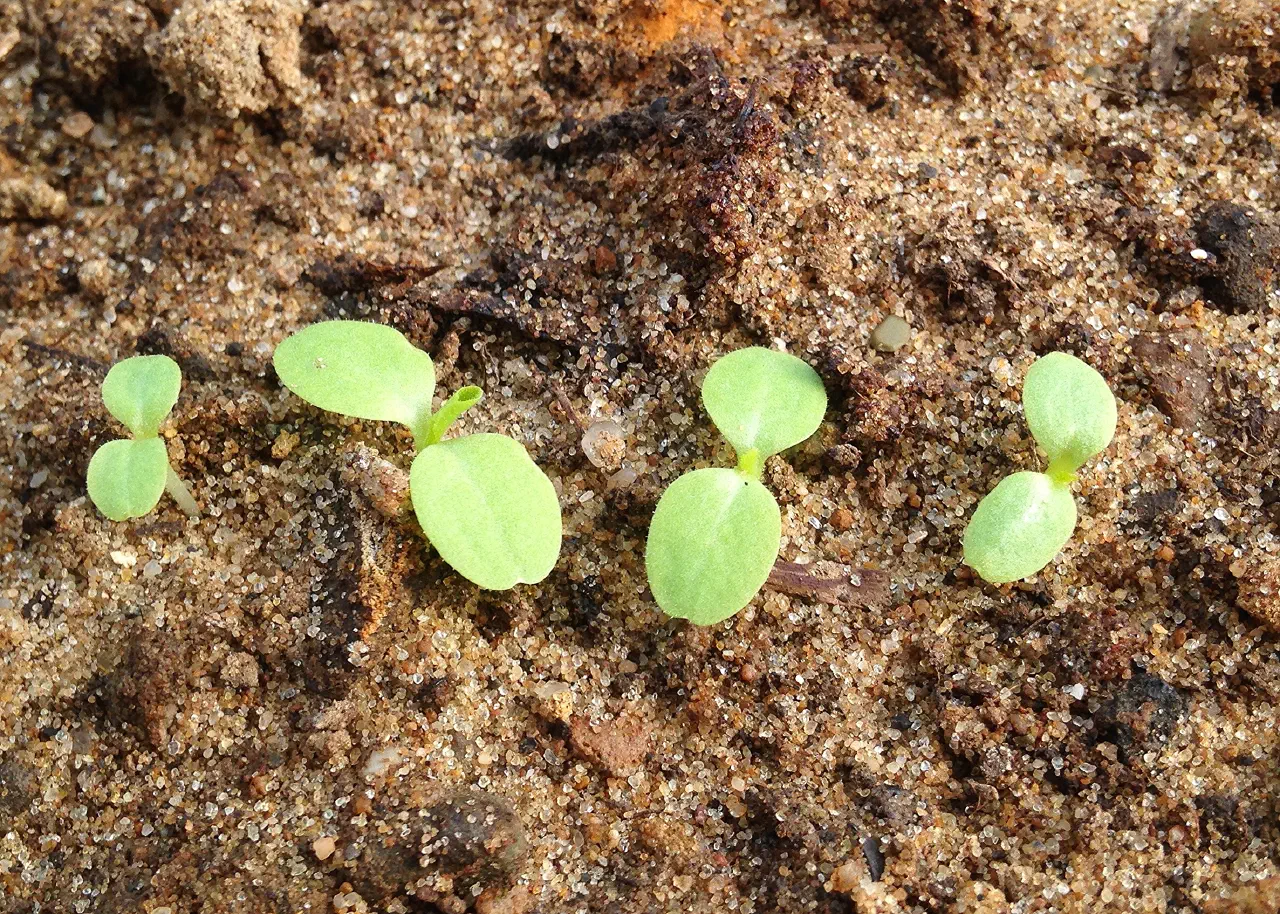
Re-Valuing Our Roots
For most of my life, I’ve had one foot in the soil and the other in the digital world. It has been a journey of homecoming, a return to the values I learned growing up on a farm, looking after the land that sustained us. This journey has been guided by a single, persistent question: how can we build tools that honour nature’s complexity, instead of trying to conquer it?
Read More
The Intelligence in the Jar
If you’ve ever stood over a jar of fermenting vegetables — watching bubbles rise, catching that sharp, tangy scent — you’re witnessing something extraordinary: an invisible ecosystem, busy at work. It’s easy to think of fermentation as chemistry, but really, it’s ecology — a dance of bacteria, yeasts, enzymes, and time. And when we ferment, we’re not the masters of this process. We’re the collaborators. The Microbial Majority For all our human cleverness, we’re a minority species. Microbes were here first, and they quietly run the planet — decomposing, recycling, fermenting, digesting, transforming.
Read More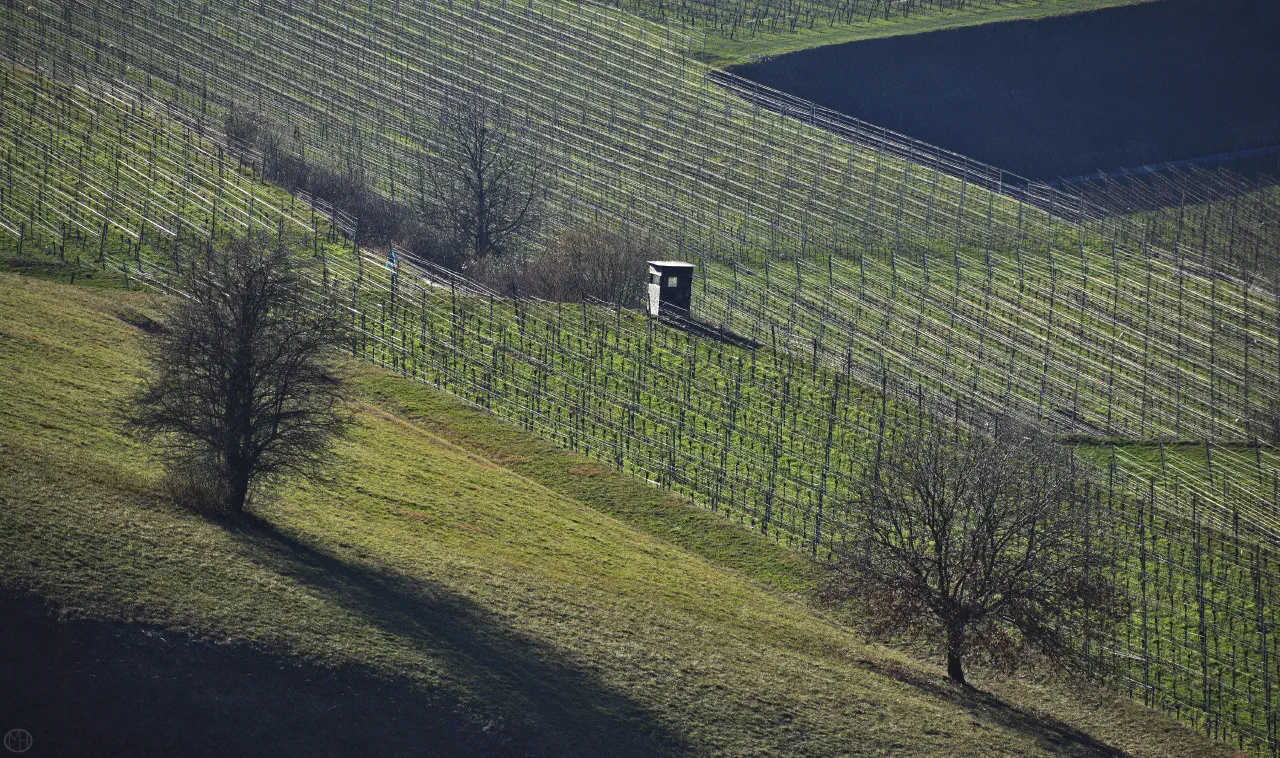
The Fifty Shades of Regenerative
This morning, while doing my daily scroll through the RSS feeds (a ritual that still feels oddly rebellious in 2025), I noticed a theme popping up: “regenerative agriculture.” It’s everywhere. But what became starkly clear is that not all “regenerative” is created equal. First, I came across this piece from Daily Coffee News . It outlines a new certification scheme from the Rainforest Alliance focused on regenerative coffee farming. It feels grassroots, farmer-first, and run by a not-for-profit with a track record of actual field work. In short: it seems like the real deal. You can sense the soil under the fingernails.
Read More
Microbial Lessons for a Living Planet
When we begin to see fermentation not as a human trick but as a conversation between species, something shifts. The jar on the counter becomes a small model of the world — alive, adaptive, and full of intelligence that isn’t our own. These microbial communities show us, in miniature, how life sustains itself through cooperation, balance, and exchange. And if we pay attention, the lessons in that bubbling jar start to sound much larger — lessons not just about food, but about how to live well on a living planet.
Read More
From Varieties to Commodities
Have you noticed how “choice” in the supermarket doesn’t really feel like choice anymore? A whole aisle of bread, yet most of it made from the same kind of wheat. Apples that all look perfect, but taste mostly of cold storage. Tomatoes that travel halfway around the world but somehow forgot what flavour is. Somewhere along the way, our food system got… simplified. Not for our benefit, but for the benefit of the system itself — the trucks, the supply chains, the supermarkets, the spreadsheets.
Read More
From Healthier Soil To A Fairer Fork
Let’s be honest. The way we produce and consume food is broken. It’s a system that looks great on the surface, with supermarket shelves overflowing with produce from every corner of the globe, available any time of year. But when you dig a little deeper, you find a system built on a house of cards, and it’s costing us more than we think. Our industrial food system is a master of illusion. It presents abundance while creating scarcity—scarcity of nutrients in our food, of biodiversity in our fields, of topsoil on our farms, and of fairness for the people who grow it. It’s a system built on an extractive model, where value is pulled from the land, from communities, and from our own bodies, with little thought for the long-term consequences.
Read More
Fermentation as a Revolutionary Act
What if one of the quietest ways to resist our broken food system is simply… to let food sit? To watch it bubble, fizz, and transform — guided not by factories or corporations, but by microbes, time, and our own hands? Fermentation looks humble — a jar on the counter, a cabbage in salt, a whiff of something alive. But hidden in that jar is something radical: a way of reclaiming control, rebuilding community, and slowing down a world that’s moving too fast for its own good.
Read More
Part 4: A Cooperative Future for Public LoRaWAN
The dream of a global, public LoRaWAN network is a powerful one. While private LoRaWAN networks thrive for specific industrial and agricultural applications, the vision of a ubiquitous, low-cost network for tracking, sensing, and connecting the physical world remains just out of reach. We’ve seen two major attempts to build this future, each a fork in the road leading to a dead end. First came The Things Network (TTN), a noble, grassroots effort built on altruism. It did an admirable job, proving the power of a community-built network. But without a sustainable incentive model, it relied on the goodwill of gateway operators, a foundation that proved too fragile for global scale.
Read More
Part 3: From Degenerative to Regenerative
The Principles Are Sound After dissecting the broken models of the DePIN space, it would be easy to become cynical and dismiss the entire concept as a failed experiment. But that would be a mistake. The foundational principles of DePIN—of community-owned infrastructure, aligned incentives, and open access—are more powerful and necessary than ever. The failure is not in the vision; it is in the execution. The degenerative patterns I’ve observed are not inevitable. They are choices. They are the choices that lead down a path of techno-feudalism, where technology is used to centralise power, enforce scarcity, and ultimately render communities into surplus populations. It is time to choose a different path.
Read More
Growing Data Foundation
Supporting Open Solutions for Social Good The Growing Data Foundation (GDF) is a volunteer-based, not-for-profit organisation dedicated to fostering open projects and systems for community improvement and social good. Since its establishment in 2015, the GDF has been a key supporter of the Internet of Things (IoT) ecosystem in South Australia, promoting economic, environmental, and social sustainability through technology. SEIN’s Collaboration At SEIN, we believe in the power of open technology and community-driven initiatives. We are excited to partner with the Growing Data Foundation, lending our technical expertise to several of their innovative environmental sensing projects.
Read More
Part 2: DePIN's Fork in the Road
A Pattern Emerges The story of Helium, as I detailed in my first post, is not an anomaly. The slide from a grand vision of a “People’s Network” into a centrally-controlled system that primarily benefits its founders and a small handful of insiders is, unfortunately, a well-trodden path in the DePIN space. The issues of opaque governance, extractive tokenomics, and a disregard for the actual community that builds the network are not bugs; they are features of a flawed and deeply ingrained model.
Read More
Part 1: The Reality of DePIN
The Seductive Pitch The term DePIN, or Decentralised Physical Infrastructure Networks, carries an almost utopian promise. It paints a picture of a world where the essential physical networks we rely on—from wireless and mobile connectivity to mapping and sensor data—are built not by faceless corporations, but by us. It’s a vision of grassroots collaboration, where individuals are empowered to deploy hardware, share resources, and collectively own the infrastructure of tomorrow.
Read More
A New Charter for the Forest
Back in 1217, a group of rebellious barons forced King John to sign the Charter of the Forest. It was a revolutionary document for its time, a declaration that the forests of England were not the private hunting grounds of the king, but a vital resource for the common people. It protected their rights to graze their animals, collect firewood, and forage for food. It was, in essence, a charter for a forest commons.
Read More
The Contemplative Spirit
In the quiet hum of a working still, something more than alcohol is being produced. As the hours pass and the slow transformation from raw matter to refined essence unfolds, the distiller is offered a unique invitation: to be present, to pay attention, and to find a deeper meaning in the making. The previous articles in this series have explored the slowness, resourcefulness, and elemental connection inherent in distilling. We now arrive at the heart of the matter: the still as a mirror for the self, and the craft as a contemplative practice.
Read More
The Elemental Connection
In our modern lives, insulated by technology and concrete, it is easy to feel disconnected from the elemental forces that shape our world. We forget the soil that feeds us, the water that sustains us, and the fire that warms us. Yet, certain ancient crafts serve as a bridge, pulling us back into a direct and intimate dialogue with nature. Distillation, at its heart, is one such practice. It is more than a simple technique; it is a collaboration with the elements, a process where earth, water, fire, and air are consciously brought together to transform and purify. To stand before a still is to stand at the intersection of human craft and natural magic.
Read More
Saving the Season
Before the age of global supply chains and year-round availability, every season had its own distinct flavour, its own fleeting window of abundance. Summer brought a riot of berries and stone fruits, autumn a cascade of apples and pears. This bounty was a blessing, but also a challenge: how to honour this generosity without letting it succumb to the inevitable march of decay? Long before the first refrigerators hummed into existence, our ancestors devised ingenious ways to hold onto the harvest. They dried, they salted, they sugared, and they fermented. And in the art of distillation, they found one of the most profound methods of all: transforming the ephemeral essence of a season into a spirit that could last for generations.
Read More
The Alchemy of Slowness
There is a peculiar magic in slowing down. In a world that measures life in minutes, notifications, and deadlines, the deliberate act of slowing is a radical one. And yet, it is in this deceleration that we discover the quiet, transformative rhythms connecting us to nature, to craft, and to ourselves. Distillation, in its truest and oldest sense, is one such rhythm — a slow, contemplative alchemy that has existed for centuries, long before the cocktail culture or industrial spirits of today. It is not about the drink, nor about the intoxication; it is about transformation, attention, and the delicate unfolding of time.
Read More
Open Source Grow Planning: GrowGood
For too long, farm management software has been designed for an industrial mindset. It’s often rigid, expensive, and forces growers into a generic mould that ignores the diverse, living reality of regenerative agriculture. These tools are built on a philosophy of extraction, not regeneration, making it impossible to capture the true story of your farm—the story of soil being built, biodiversity returning, and ecological health being restored. This frustration was the seed from which GrowGood sprouted. GrowGood is our answer to this challenge. It is not another product for sale, but a digital commons resource we are building with and for the regenerative farming community. It is a free, open-source platform designed to finally give growers a tool that speaks their language.
Read More
Sustainable Gardening: Projects with The Seasonal Garden
At SEIN, our ‘Grow’ philosophy is about nurturing a deeper connection to the land and our food, often augmented by thoughtful technology. We believe in empowering individuals to cultivate their own sustenance in ways that are both efficient and respectful of nature’s rhythms. It’s about bringing the wisdom of the garden into the modern home and community space. We are thrilled to partner with The Seasonal Garden , a local initiative that shares our passion for accessible, sustainable food production. Together, we’re exploring innovative solutions that integrate smart technology with beautiful design, helping you grow more with less.
Read MoreNative Botanical Distillates
Distillation is an ancient art of capturing essence. While often associated with alcohol, the same process can be used to extract the aromatic soul of plants into non-alcoholic hydrosols and essential oils. As we explore the ‘Distil’ phase of our journey, we are researching the unique and powerful aromas of Australian native plants. This exploration is about connection—connecting to the scent of the Australian bush and finding ways to capture it.
Read MoreThe Tradition of Schnaps
The ‘Distil’ part of SEIN is deeply connected to some of our heritage. The craft of making Schnaps is a cornerstone of agricultural life in the Alpe-Adria region, encompassing parts of Austria, northern Italy, and Slovenia. This is not the syrupy, artificially flavoured “schnapps” you might find elsewhere; this is eau de vie—the water of life. An Expression of Place At its heart, traditional Schnaps is a resourceful and respectful way to preserve the harvest. It’s an agricultural art form born from the desire to waste nothing. The surplus from the orchard—the pears, plums (Zwetschke), and apricots—is carefully fermented and then distilled in copper pot (alembic) stills.
Read More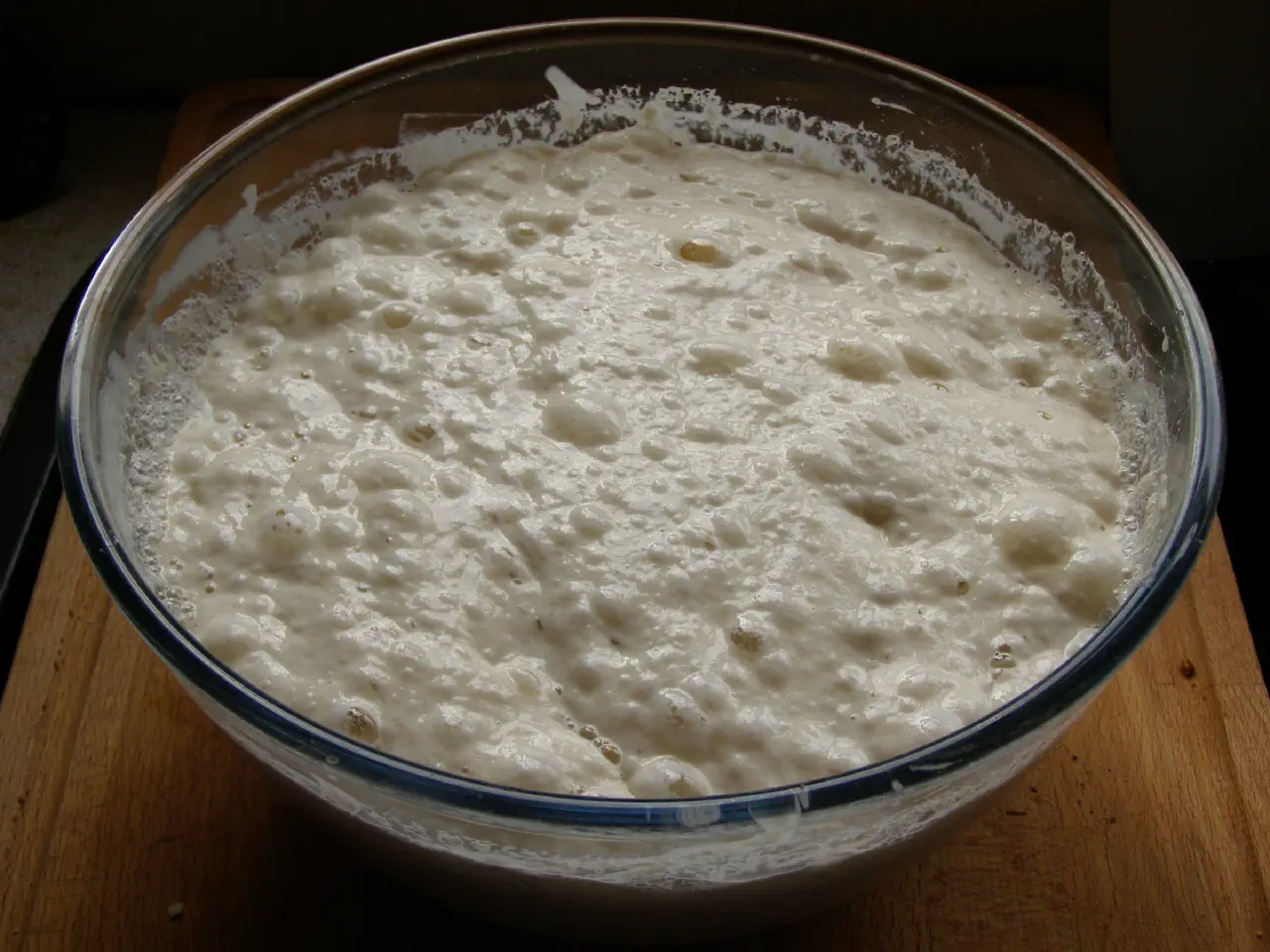
The Sourdough Keeper: A Starter Companion
To bake sourdough is to be a custodian of a living thing. The starter—that bubbling, breathing culture of wild yeast and bacteria—is the heart of the loaf. It’s a partner in the baking process, with its own rhythms, needs, and moods. And as any baker knows, its vitality is profoundly tied to temperature. The Baker’s Dilemma Our modern kitchens are rarely the ideal environment for this ancient lifeform. Temperatures swing with the seasons, the time of day, or whether the oven has been on. In winter, a starter can be sluggish, refusing to rise with the vigour needed for a great bake. In summer, it can ferment too quickly, becoming overly acidic and losing its strength.
Read More
DIY Wireless Fermentation Controller
Fermentation is a dance between control and surrender. We create the conditions, add the culture, and then step back to let an invisible world of microbes work its magic. But any fermenter knows that the environment is everything. The wild sourdough that thrives in a cool, humid kitchen might struggle in a warm, dry one. The perfect kimchi requires a consistent chill. A home-brewed beer like a lager demands a precise, unwavering cold fermentation, while an ale needs a steady warmth. The mash for a future distillation, perhaps using surplus lemons or plums from your own garden, needs to be kept at an optimal temperature to ensure a clean ferment, free of off-flavours. Even a simple Hard Lemon brew can turn if the temperature swings too wildly.
Read More
The Things Network South Australia
In a world dominated by centralised, corporate-owned networks, what if we could build our own? What if the infrastructure for the Internet of Things (IoT)—the very network that connects our sensors to the digital world—was owned and operated by the community it serves? This isn’t a hypothetical question. This is the reality of The Things Network (TTN) , and it represents the very essence of the ‘Sense’ philosophy at the heart of SEIN.
Read More