Table Of Contents
In the quiet hum of a working still, something more than alcohol is being produced. As the hours pass and the slow transformation from raw matter to refined essence unfolds, the distiller is offered a unique invitation: to be present, to pay attention, and to find a deeper meaning in the making. The previous articles in this series have explored the slowness, resourcefulness, and elemental connection inherent in distilling. We now arrive at the heart of the matter: the still as a mirror for the self, and the craft as a contemplative practice.
To distill is to engage in a ritual of attention. The process is a long, unfolding narrative, and each stage demands a different quality of presence. During fermentation, it is the patience of a gardener, watching for signs of life and health. During the run, it is the focused concentration of a musician, listening for the right notes and making adjustments in real-time. This sustained, gentle focus is a powerful form of mindfulness. In a world that constantly pulls our attention in a thousand different directions, the still commands a singular focus. The mind, so often scattered, is gathered and calmed. Worries about the past and anxieties about the future recede, replaced by the simple, tangible reality of the task at hand: the temperature of the vapour, the scent of the distillate, the rhythm of the drops.
This is not the empty, zoned-out state of passive entertainment. It is an active, engaged presence. The distiller is in constant dialogue with the process, using their senses as their guide. This deep, sensory immersion is an antidote to the disembodied nature of modern life. It grounds us in our bodies and in the physical world, reminding us that we are creatures who are meant to touch, smell, and taste—not just to click and scroll.
The Essence of Things
Metaphorically, distillation is the art of seeking essence. The distiller’s primary task is to make the “cuts”—to separate the volatile, harsh “heads” and the heavy, oily “tails” from the pure “heart” of the spirit. This is a profound metaphor for our own inner lives. We all carry with us a mixture of experiences, thoughts, and emotions. Some are sharp and painful, others are cloudy and unresolved. The contemplative life, like the distiller’s art, is a process of gently heating these experiences, allowing them to rise, and learning to distinguish what is pure and life-giving from what is best discarded.
To make the cut requires sensitivity, experience, and intuition. It is not a purely technical decision. The distiller must know the spirit intimately. In the same way, the practice of self-reflection teaches us to recognise our own inner “heads” and “tails”—the reactive impulses, the unhelpful narratives, the baggage that clouds our judgment. Through mindfulness and quiet observation, we learn to isolate the “heart” of our own being: our core values, our deepest truths, our authentic selves. The still teaches us that this is not a violent process of tearing things away, but a gentle one of separation and clarification. We are not destroying the unwanted parts, but simply setting them aside to allow the heart to shine through.
The Search for Tangible Legacy
There is a notable, though not exclusive, gravitation of older individuals, particularly men, towards crafts like distilling. While generalisations are always imperfect, it is worth contemplating why this might be. For many, a lifetime of work may have been abstract, conducted in offices or on screens. Retirement can bring a newfound freedom, but also a sense of purposelessness, a yearning for something tangible to hold onto.
Craft provides a powerful answer to this yearning. To create something with one’s own hands—whether it is a wooden chair, a loaf of bread, or a bottle of spirit—is to make a tangible mark on the world. It is proof of one’s skill, patience, and creativity. This act of creation is deeply affirming. It builds self-esteem and provides a renewed sense of purpose. The challenges of the craft—learning the science, mastering the techniques, solving the inevitable problems—keep the mind sharp and engaged, staving off the cognitive decline that can accompany inactivity.
Furthermore, distilling is a craft deeply connected to legacy. The product of the still, especially if aged, is something that can be shared and enjoyed for years to come. It is a way of bottling a season, a memory, a piece of oneself, and passing it on. To share a glass of spirit that you have made is to share a story. It is an act of hospitality and connection, a way of fostering community and strengthening bonds with friends and family. In an age where so much of our communication is ephemeral, a bottle of handcrafted spirit is a lasting testament to care and effort. It is a legacy in liquid form.
For men, who may have been socialised to express themselves through action rather than words, the workshop or the distillery can become a sanctuary. It is a space for quiet contemplation, for focused problem-solving, and for a form of non-verbal self-expression. The rhythms of the craft provide a structure, a sense of order, and a connection to a lineage of makers stretching back centuries.
Savoring, Not Consuming
Perhaps the final lesson of the contemplative spirit is in the tasting. A spirit that has taken months or even years to create is not meant to be consumed mindlessly. It invites you to slow down, to savour. The act of tasting becomes a continuation of the mindful process of its creation.
You hold the glass to the light, observing the colour and clarity. You swirl it, watching the liquid cling to the sides—the “legs” or “tears” that speak of its texture and alcohol content. You bring it to your nose, inhaling the complex bouquet of aromas that tell the story of its origins. Finally, you take a small sip, letting the liquid coat your palate, noticing the evolution of flavours from the initial taste to the long, lingering finish.
This is the opposite of consumption. It is an act of communion. It is a moment of pure, sensory presence, a final tribute to the earth, water, fire, and air that conspired in its creation. In that single, mindful sip, the entire journey—from the field to the fermenter to the fire to the flask—is honoured.
Ultimately, the contemplative spirit is not found in the alcohol, but in the attention. It is in the patient observation, the sensory engagement, and the quiet satisfaction of the work. The still, in the end, is a teacher. It teaches us that the most profound transformations are slow, that essence is revealed through purification, and that the meaning of our lives is often found not in the grand achievements, but in the small, deliberate, and loving acts of making.
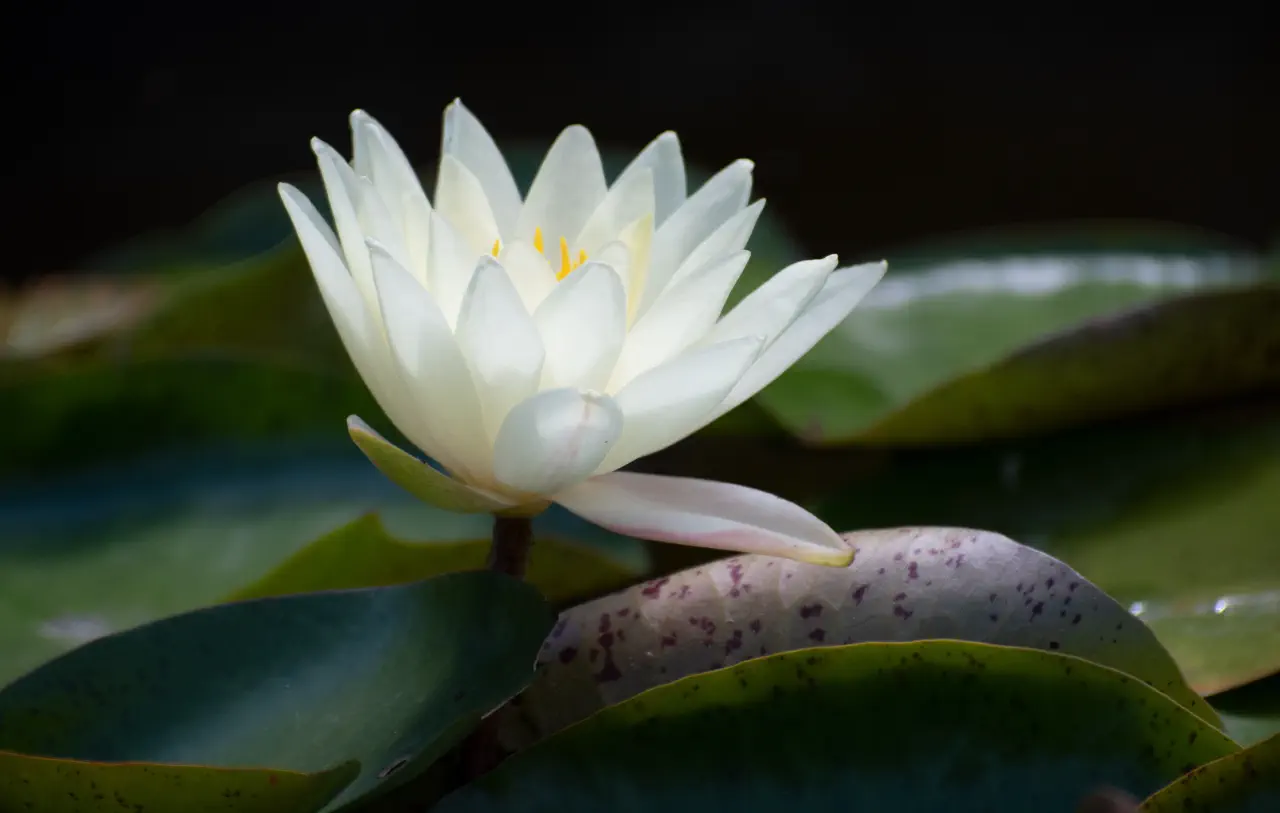
Attribution: Image by James Wheeler, CC BY 2.0 Visit here