Articles
- Home /
- Articles
Re-Valuing Our Roots
For most of my life, I’ve had one foot in the soil and the other in the digital world. It has been a journey of homecoming, a return to the values I learned growing up on a farm, looking after the land that sustained us. This journey has been guided by a single, persistent question: how can we build tools that honour nature’s complexity, instead of trying to conquer it?
Read More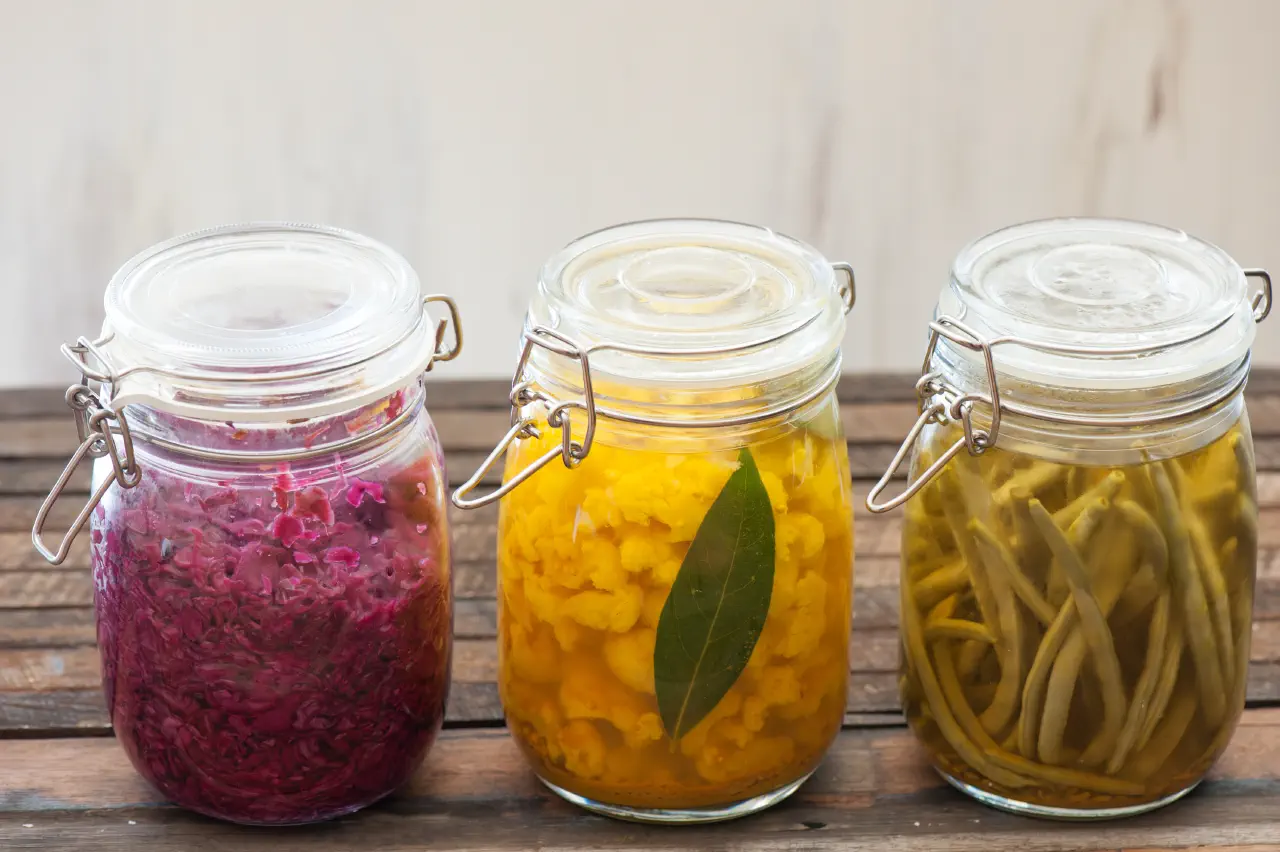
The Intelligence in the Jar
If you’ve ever stood over a jar of fermenting vegetables — watching bubbles rise, catching that sharp, tangy scent — you’re witnessing something extraordinary: an invisible ecosystem, busy at work. It’s easy to think of fermentation as chemistry, but really, it’s ecology — a dance of bacteria, yeasts, enzymes, and time. And when we ferment, we’re not the masters of this process. We’re the collaborators. The Microbial Majority For all our human cleverness, we’re a minority species. Microbes were here first, and they quietly run the planet — decomposing, recycling, fermenting, digesting, transforming.
Read More
The Fifty Shades of Regenerative
This morning, while doing my daily scroll through the RSS feeds (a ritual that still feels oddly rebellious in 2025), I noticed a theme popping up: “regenerative agriculture.” It’s everywhere. But what became starkly clear is that not all “regenerative” is created equal. First, I came across this piece from Daily Coffee News . It outlines a new certification scheme from the Rainforest Alliance focused on regenerative coffee farming. It feels grassroots, farmer-first, and run by a not-for-profit with a track record of actual field work. In short: it seems like the real deal. You can sense the soil under the fingernails.
Read More
Microbial Lessons for a Living Planet
When we begin to see fermentation not as a human trick but as a conversation between species, something shifts. The jar on the counter becomes a small model of the world — alive, adaptive, and full of intelligence that isn’t our own. These microbial communities show us, in miniature, how life sustains itself through cooperation, balance, and exchange. And if we pay attention, the lessons in that bubbling jar start to sound much larger — lessons not just about food, but about how to live well on a living planet.
Read More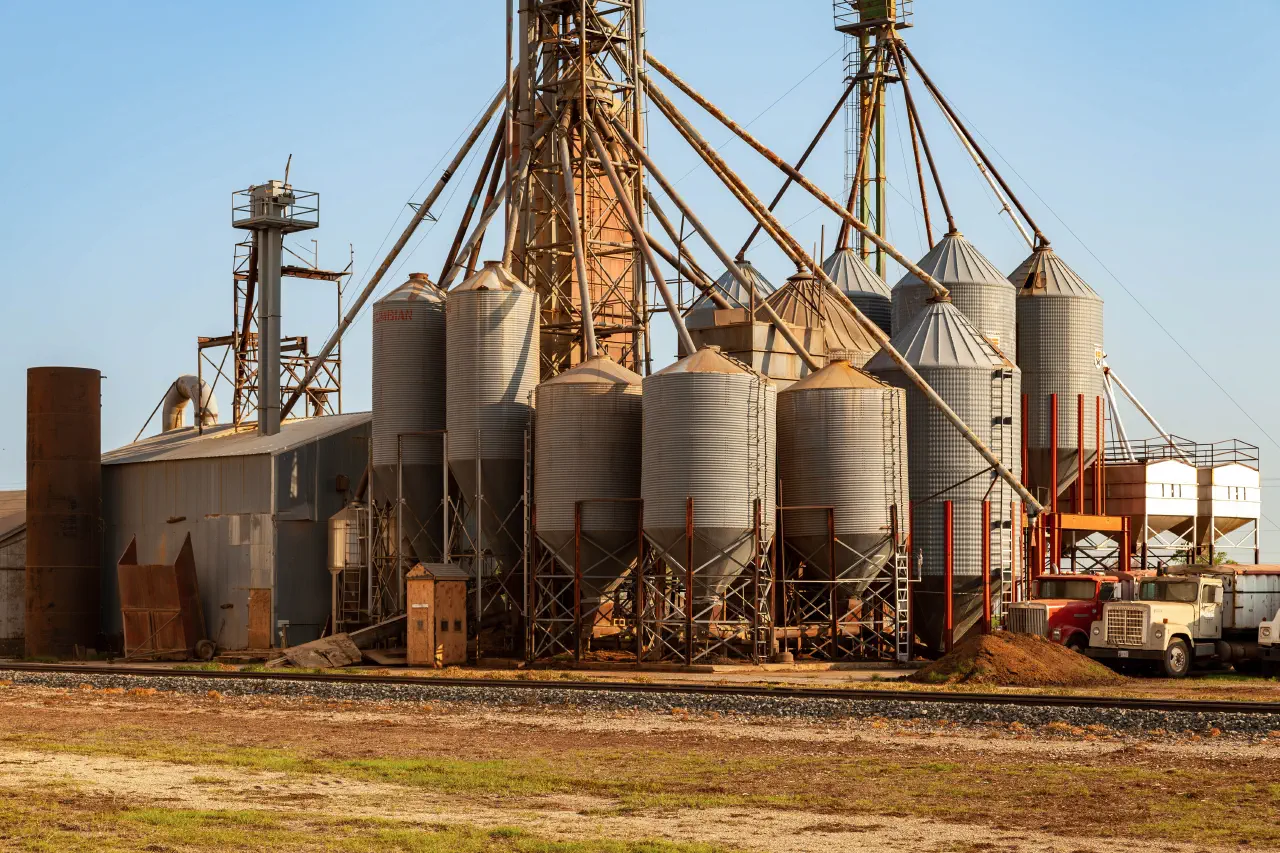
From Varieties to Commodities
Have you noticed how “choice” in the supermarket doesn’t really feel like choice anymore? A whole aisle of bread, yet most of it made from the same kind of wheat. Apples that all look perfect, but taste mostly of cold storage. Tomatoes that travel halfway around the world but somehow forgot what flavour is. Somewhere along the way, our food system got… simplified. Not for our benefit, but for the benefit of the system itself — the trucks, the supply chains, the supermarkets, the spreadsheets.
Read More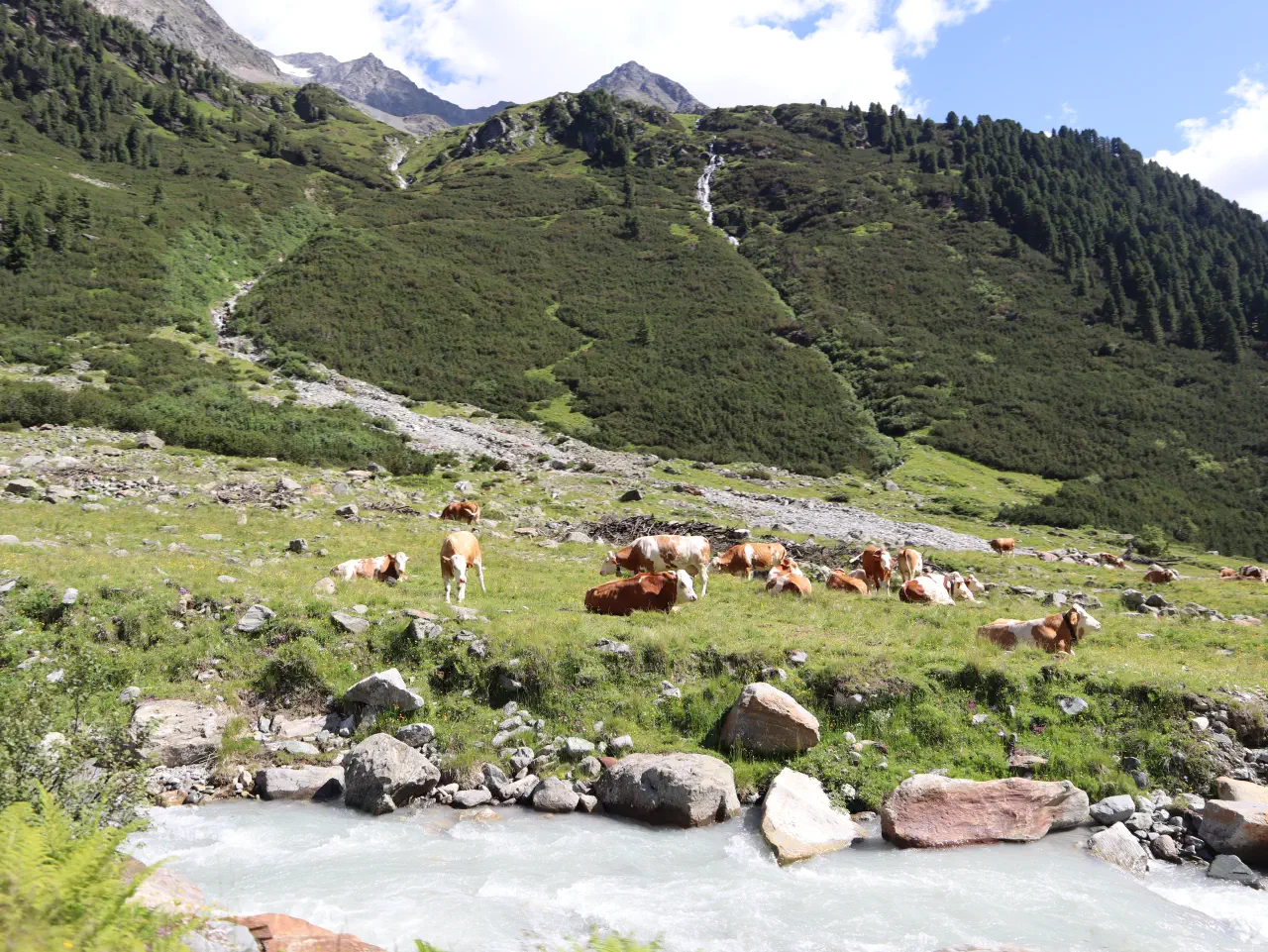
From Healthier Soil To A Fairer Fork
Let’s be honest. The way we produce and consume food is broken. It’s a system that looks great on the surface, with supermarket shelves overflowing with produce from every corner of the globe, available any time of year. But when you dig a little deeper, you find a system built on a house of cards, and it’s costing us more than we think. Our industrial food system is a master of illusion. It presents abundance while creating scarcity—scarcity of nutrients in our food, of biodiversity in our fields, of topsoil on our farms, and of fairness for the people who grow it. It’s a system built on an extractive model, where value is pulled from the land, from communities, and from our own bodies, with little thought for the long-term consequences.
Read More
Fermentation as a Revolutionary Act
What if one of the quietest ways to resist our broken food system is simply… to let food sit? To watch it bubble, fizz, and transform — guided not by factories or corporations, but by microbes, time, and our own hands? Fermentation looks humble — a jar on the counter, a cabbage in salt, a whiff of something alive. But hidden in that jar is something radical: a way of reclaiming control, rebuilding community, and slowing down a world that’s moving too fast for its own good.
Read More
Part 4: A Cooperative Future for Public LoRaWAN
The dream of a global, public LoRaWAN network is a powerful one. While private LoRaWAN networks thrive for specific industrial and agricultural applications, the vision of a ubiquitous, low-cost network for tracking, sensing, and connecting the physical world remains just out of reach. We’ve seen two major attempts to build this future, each a fork in the road leading to a dead end. First came The Things Network (TTN), a noble, grassroots effort built on altruism. It did an admirable job, proving the power of a community-built network. But without a sustainable incentive model, it relied on the goodwill of gateway operators, a foundation that proved too fragile for global scale.
Read More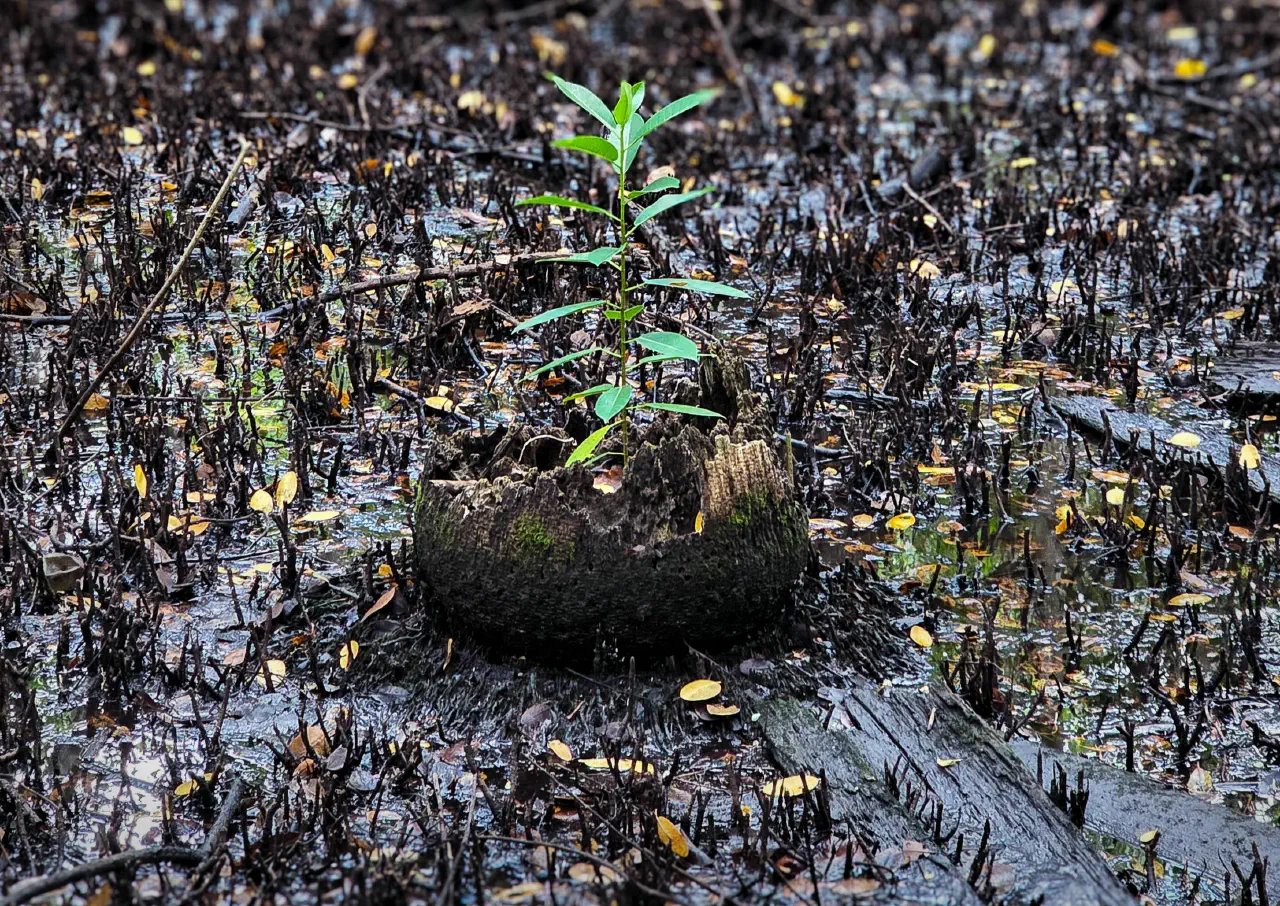
Part 3: From Degenerative to Regenerative
The Principles Are Sound After dissecting the broken models of the DePIN space, it would be easy to become cynical and dismiss the entire concept as a failed experiment. But that would be a mistake. The foundational principles of DePIN—of community-owned infrastructure, aligned incentives, and open access—are more powerful and necessary than ever. The failure is not in the vision; it is in the execution. The degenerative patterns I’ve observed are not inevitable. They are choices. They are the choices that lead down a path of techno-feudalism, where technology is used to centralise power, enforce scarcity, and ultimately render communities into surplus populations. It is time to choose a different path.
Read More
Part 2: DePIN's Fork in the Road
A Pattern Emerges The story of Helium, as I detailed in my first post, is not an anomaly. The slide from a grand vision of a “People’s Network” into a centrally-controlled system that primarily benefits its founders and a small handful of insiders is, unfortunately, a well-trodden path in the DePIN space. The issues of opaque governance, extractive tokenomics, and a disregard for the actual community that builds the network are not bugs; they are features of a flawed and deeply ingrained model.
Read More- Activism
- Alchemy
- Alpe Adria
- Austria
- Baking
- Biomimicry
- Blueprints
- Botanicals
- Capitalism
- Collaboration
- Commodities
- Commons
- Community
- Connection
- Contemplation
- Cooperative
- Cooperatives
- Corporate Personhood
- Corporate Power
- Craft
- Customisation
- DAO
- Data Sovereignty
- Decentralisation
- Decentralised Ledger
- Decentralised Trust
- Democracy
- DePIN
- Digital Commons
- Digital Sovereignty
- Distillation
- Diversity
- DIY
- Eau De Vie
- Ecological Assets
- Elements
- Environment
- Environmental Sensing
- Essential Oil
- EU
- Farm Management
- Farm Technology
- Fermentation
- Food Industry
- Food Systems
- Foodsystem
- Forestry
- Future
- Governance
- Greenwashing
- Health
- Healthcare
- History
- Home Assistant
- Hydroponics
- Hydrosol
- Impact Investing
- Institutions
- Insurance
- IoT
- Irrigation
- Law
- Legacy
- Living Systems
- Local Food Systems
- LoRaWAN
- Maker
- Meaning
- Mindfulness
- Mrv
- Mycelium
- Native Plants
- Nature
- Networks
- Open Source
- Partnerships
- Permaculture
- Pharmaceuticals
- Platform Co-Op
- Post-Capitalism
- Preservation
- Public LoRaWAN
- Refi
- Regenerative
- Regenerative Agriculture
- Resilience
- Reticulum
- Schnaps
- Sense
- Sensors
- Slowfood
- Small Farm Tech
- Solar Power
- Solutions
- Sourdough
- Stewardship
- Sustainability
- Sustainable Gardening
- Systems Change
- Systems Thinking
- Timber
- Tradition
- Urban Gardening
- USA
- User Interface
- Valueflows
- Venice
- Web3
- Zerowaste