Table Of Contents
Have you noticed how “choice” in the supermarket doesn’t really feel like choice anymore? A whole aisle of bread, yet most of it made from the same kind of wheat. Apples that all look perfect, but taste mostly of cold storage. Tomatoes that travel halfway around the world but somehow forgot what flavour is.
Somewhere along the way, our food system got… simplified. Not for our benefit, but for the benefit of the system itself — the trucks, the supply chains, the supermarkets, the spreadsheets.
We’ve gone from varieties — food as living, local, unpredictable — to commodities, food as uniform product.
But it doesn’t have to stay that way.
Remembering What We Once Had
Not so long ago, food was astonishingly diverse. Farmers in the Andes grew hundreds of types of potatoes; rice farmers in Asia had dozens of varieties adapted to their soil and weather; European fields held a patchwork of wheats, barley, and rye. Even a century ago, local markets offered shapes and colours we can barely imagine today.
You can still find glimpses of this abundance — in a farmer’s market in a post-industrial city or in the open-air markets of the majority world. A knobbly tomato that’s deeply red and uneven. Tiny apples with spots but extraordinary perfume. Bitter greens that supermarkets won’t touch because they wilt too fast.
These aren’t oddities — they’re what food used to be before we bred, shipped, and stored the life out of it.
How We Got Here
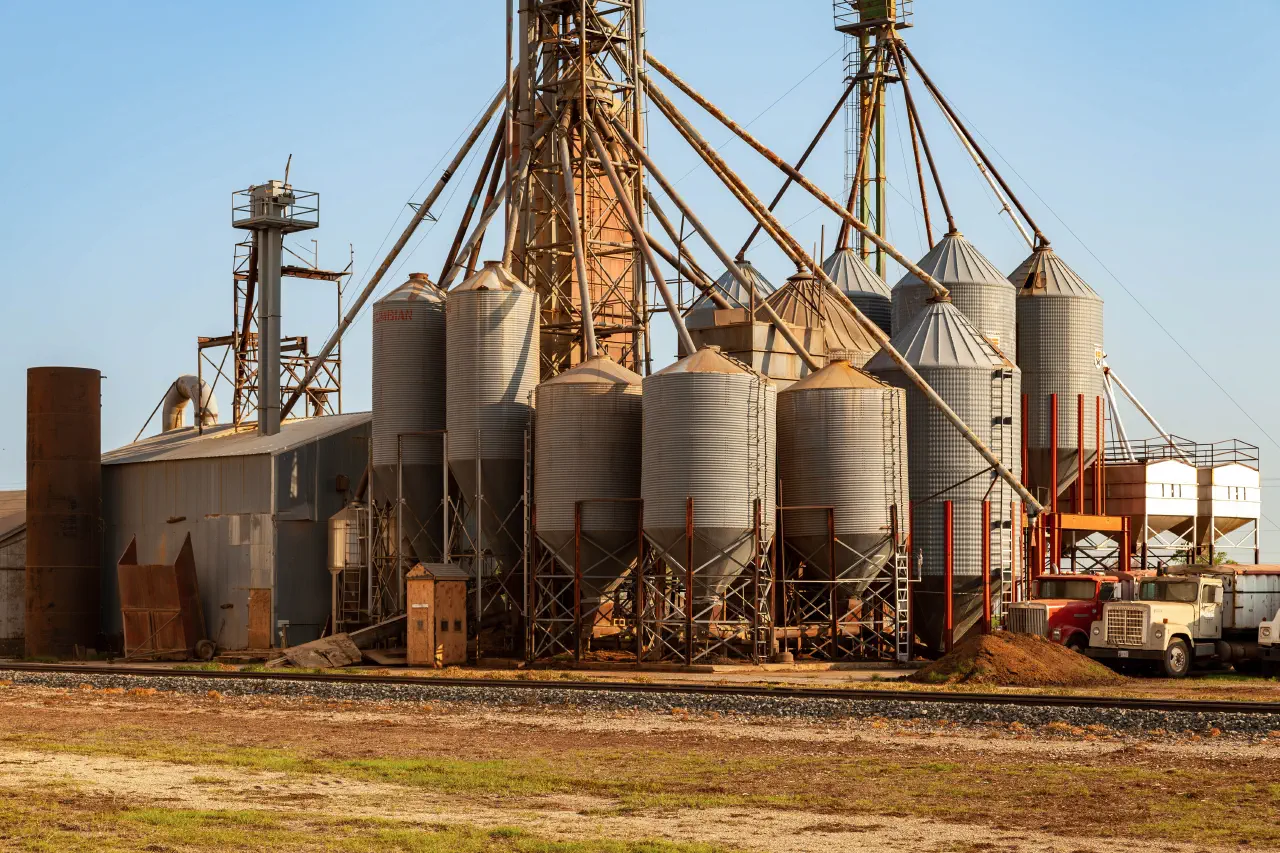
Our global food system isn’t really built around nourishment; it’s built around efficiency. Supermarkets need food to be uniform and predictable. Transport systems need it to be durable. Food processors need consistency above all else.
And so we bred crops that fit the system: easy to harvest, easy to store, easy to ship. The result? A handful of high-yield, low-flavour varieties dominate what we eat.
The “perfect” tomato, in this world, isn’t the one that tastes best — it’s the one that can survive a thousand miles in a truck.
The Cost of Sameness
This simplification comes with a price.
When one disease can wipe out a crop grown everywhere, that’s fragility. When our diets revolve around just a few plants — corn, wheat, soy, rice — that’s nutritional shallowness. When centuries of food culture disappear because one global variety takes over, that’s cultural loss.
And there’s an emotional cost too. When food becomes so standardised, we forget that it could taste different. We lose curiosity. We forget that eating can be an adventure.
Learning to Live with Variety Again
So what would it look like to fall in love with variety again?
Maybe it starts with learning to embrace imperfection: the misshapen carrot, the small apple, the bitter green. Maybe it means shopping where we can meet the people who grow our food — at farmers’ markets, community-supported agriculture (CSA) schemes, or local co-ops.
We can also:
- Support seed-saving projects that protect heritage varieties.
- Celebrate foods that change with the seasons — not as a restriction, but as a rhythm.
- Ask better questions of retailers: Where does this come from? What variety is it? Why this one?
When we start to care about diversity, we send a message up the chain — that sameness is not what we want anymore.
What We Can Learn from the Majority World
In many parts of the world — places often described (unhelpfully) as “developing” — food diversity hasn’t vanished yet. Visit a local market in Kenya, India, or Peru and you’ll still find dozens of local grains, beans, and vegetables. Each has a story, a season, and a reason for being there.
These food traditions aren’t outdated; they’re resilient. They remind us that diversity isn’t a luxury — it’s a survival strategy. And they show us that taste, community, and ecology can live comfortably side by side.
Varieties, Not Commodities
Reclaiming variety means re-imagining food as something more than a product. It’s culture, relationship, and ecology all at once.
We already do this with certain foods — think craft beer, single-origin coffee, heirloom tomatoes. We could extend that curiosity and care to everything else: our grains, our pulses, our fruits, even our daily bread.
The first step isn’t just to buy local — it’s to think local, taste local, and welcome difference.
A Closing Thought
Sameness feels safe, but in food — as in life — it’s a fragile kind of safety. Variety is what keeps ecosystems healthy and culture alive.
Maybe the next time we shop, we can look for the crooked tomato, the spotted apple, the unfamiliar grain — and thank it for reminding us that diversity is delicious.
Attribution: Image by Flickr user 47406118@N03, CC BY 2.0 Visit here