The Fifty Shades of Regenerative

The Fifty Shades of Regenerative

Table Of Contents

This morning, while doing my daily scroll through the RSS feeds (a ritual that still feels oddly rebellious in 2025), I noticed a theme popping up: “regenerative agriculture.” It’s everywhere. But what became starkly clear is that not all “regenerative” is created equal.

First, I came across this piece from Daily Coffee News . It outlines a new certification scheme from the Rainforest Alliance focused on regenerative coffee farming. It feels grassroots, farmer-first, and run by a not-for-profit with a track record of actual field work. In short: it seems like the real deal. You can sense the soil under the fingernails.
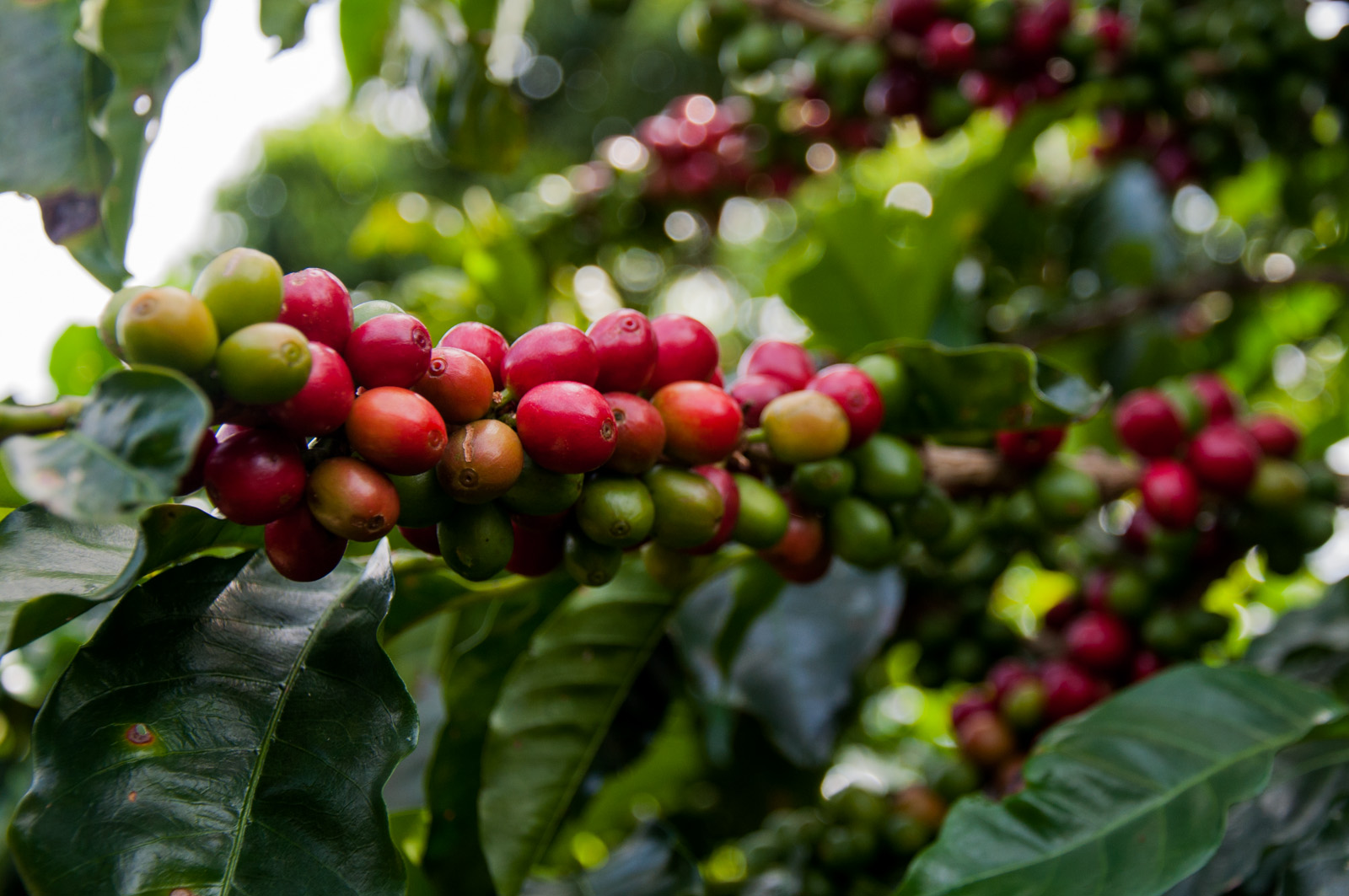

Regenerative coffee cherries in the field

Photo: Roast28 – Used under Creative Commons via Flickr


Then came Reuters Events’ “Field-Level Innovation” . This one gave me mixed feelings. There’s some solid energy from individuals clearly trying to move things in the right direction—but it also has that faint corporate aftertaste. A sense that regenerative is being packaged as a business strategy before it’s understood as an ecological necessity. Still, not entirely cynical, just… complex.

Finally, I landed on this article about PepsiCo and National Geographic . And here we are, fully in the territory of what I can only call regen-washing. PepsiCo—the same company whose business depends on processed, synthetic, environmentally destructive products—wants to talk regenerative? Sorry, but that’s like a weapons manufacturer hosting a peace summit. It’s not just ironic; it’s insulting. No amount of slick documentaries or soil imagery can change the fact that their core model is extractive to the bone.

So yeah—“regenerative” has officially gone the way of “sustainable” and “natural.” It’s a spectrum now. From true transformation to outright deception. Fifty shades of regenerative, and only a few are actually healing the earth.

Choose your shade wisely.


Article photo by CIFOR-ICRAF – Used under Creative Commons licence via Flickr. Please ensure proper attribution if reused.
Attribution: Image by Flickr user 184374196@N07, CC BY-NC-ND 2.0 Visit here

Share:

Comments

Be the first to comment! Reply to this post from your Mastodon/Fediverse or Bluesky account, or mention this post's URL in your reply. Your comment will appear here automatically via webmention.

Follow this blog on Mastodon at @sein.com.au@sein.com.au or on Bluesky at @sein.com.au

What's this?

The Physics of Freedom

The Physics of Freedom

There are ideas so powerful they echo across different domains, revealing a fundamental truth about how the world works. Reading through The Zen of Reticulum , a foundational text for a new kind of communication network, I was struck by how its principles are not just about technology, but about the very physics of freedom and resilience. Reticulum is a network stack designed for a world where communication cannot be taken for granted. It is built to function over any available medium, with no central servers, and with privacy and security as its bedrock. It is, in essence, a system designed for self-sovereignty. Its philosophy rejects the extractive, controlling architectures that have come to define so much of the modern internet.

Read More
Part II: Food for Profit

Part II: Food for Profit

Part II: Food for Profit – How Corporations Engineered Hunger in a World of Plenty In a world of unprecedented agricultural abundance, I am sure that I am not the only one who is struck by the cruel paradox that billions still go hungry, while others are dying from diseases of overconsumption. This situation—scarcity amid plenty, malnutrition amid surplus—is no accident. I believe it is the calculated outcome of a food system built not to feed people, but to feed profits.

Read More
Speaking the Language of the Land

Speaking the Language of the Land

In our first conversation, we talked about the need to re-value farming—to move beyond tools of extraction and build something that honours the complexity of living systems. Now, let’s explore how we intend to do that. It starts by learning to speak the language of the land, one farm at a time. For too long, technology has demanded that farmers adapt to its rigid logic. The world of regenerative agriculture is diverse and dynamic—a market gardener thinks in beds and successions, a flower farmer in stems and bloom cycles, and a grazier in paddocks and pasture recovery times. Forcing them into a single, generic mould is not just inefficient; it’s an act of erasure. It silences the unique story of their farm.

Read More