Table Of Contents
This morning, while doing my daily scroll through the RSS feeds (a ritual that still feels oddly rebellious in 2025), I noticed a theme popping up: “regenerative agriculture.” It’s everywhere. But what became starkly clear is that not all “regenerative” is created equal.
First, I came across this piece from Daily Coffee News . It outlines a new certification scheme from the Rainforest Alliance focused on regenerative coffee farming. It feels grassroots, farmer-first, and run by a not-for-profit with a track record of actual field work. In short: it seems like the real deal. You can sense the soil under the fingernails.
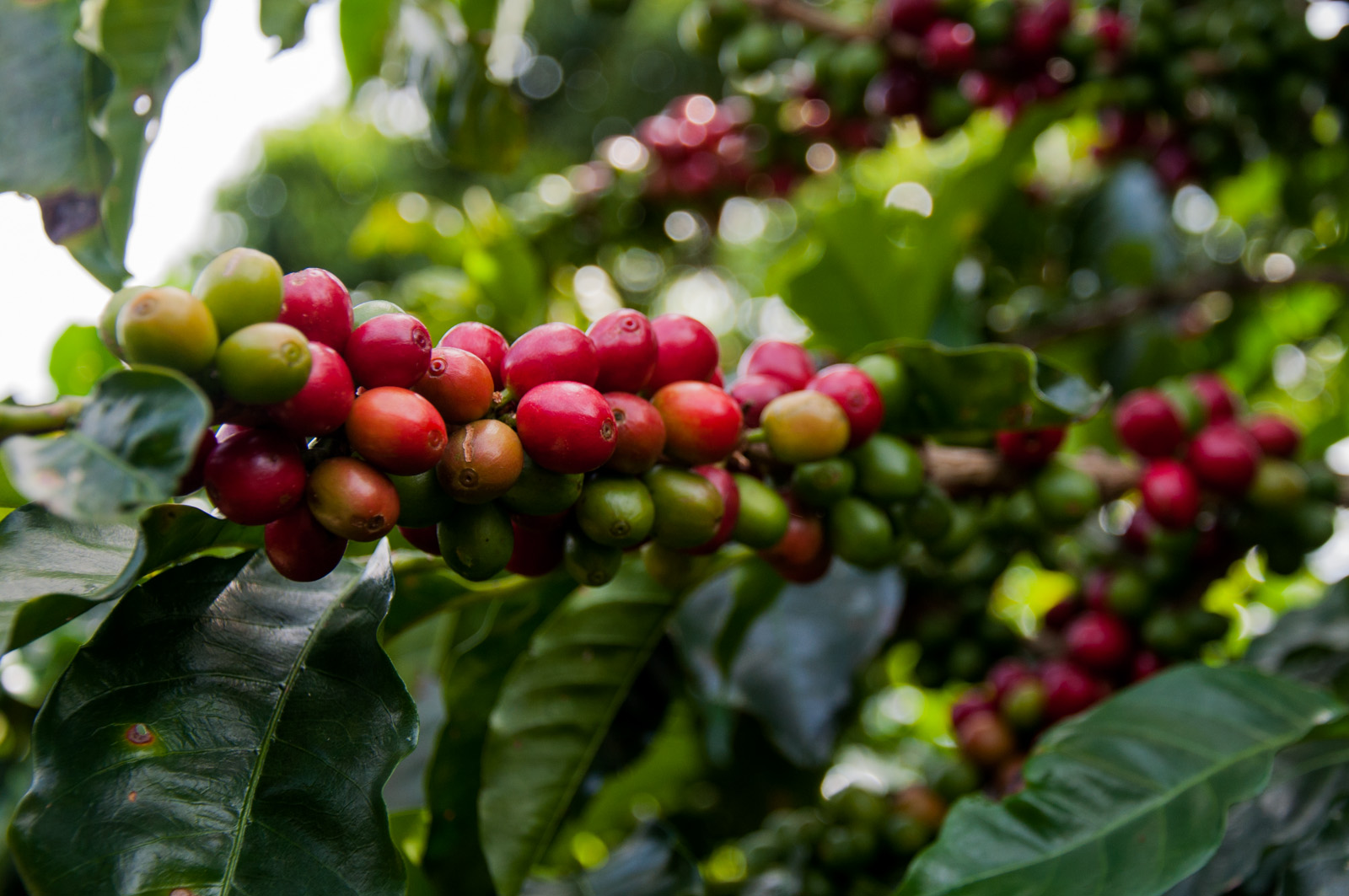
Photo: Roast28 – Used under Creative Commons via Flickr
Then came Reuters Events’ “Field-Level Innovation” . This one gave me mixed feelings. There’s some solid energy from individuals clearly trying to move things in the right direction—but it also has that faint corporate aftertaste. A sense that regenerative is being packaged as a business strategy before it’s understood as an ecological necessity. Still, not entirely cynical, just… complex.
Finally, I landed on this article about PepsiCo and National Geographic . And here we are, fully in the territory of what I can only call regen-washing. PepsiCo—the same company whose business depends on processed, synthetic, environmentally destructive products—wants to talk regenerative? Sorry, but that’s like a weapons manufacturer hosting a peace summit. It’s not just ironic; it’s insulting. No amount of slick documentaries or soil imagery can change the fact that their core model is extractive to the bone.
So yeah—“regenerative” has officially gone the way of “sustainable” and “natural.” It’s a spectrum now. From true transformation to outright deception. Fifty shades of regenerative, and only a few are actually healing the earth.
Choose your shade wisely.
Article photo by CIFOR-ICRAF – Used under Creative Commons licence via Flickr. Please ensure proper attribution if reused.
Attribution: Image by Flickr user 184374196@N07, CC BY-NC-ND 2.0 Visit here