Articles
- Home /
- Articles
From Root Cellar to Data Logger
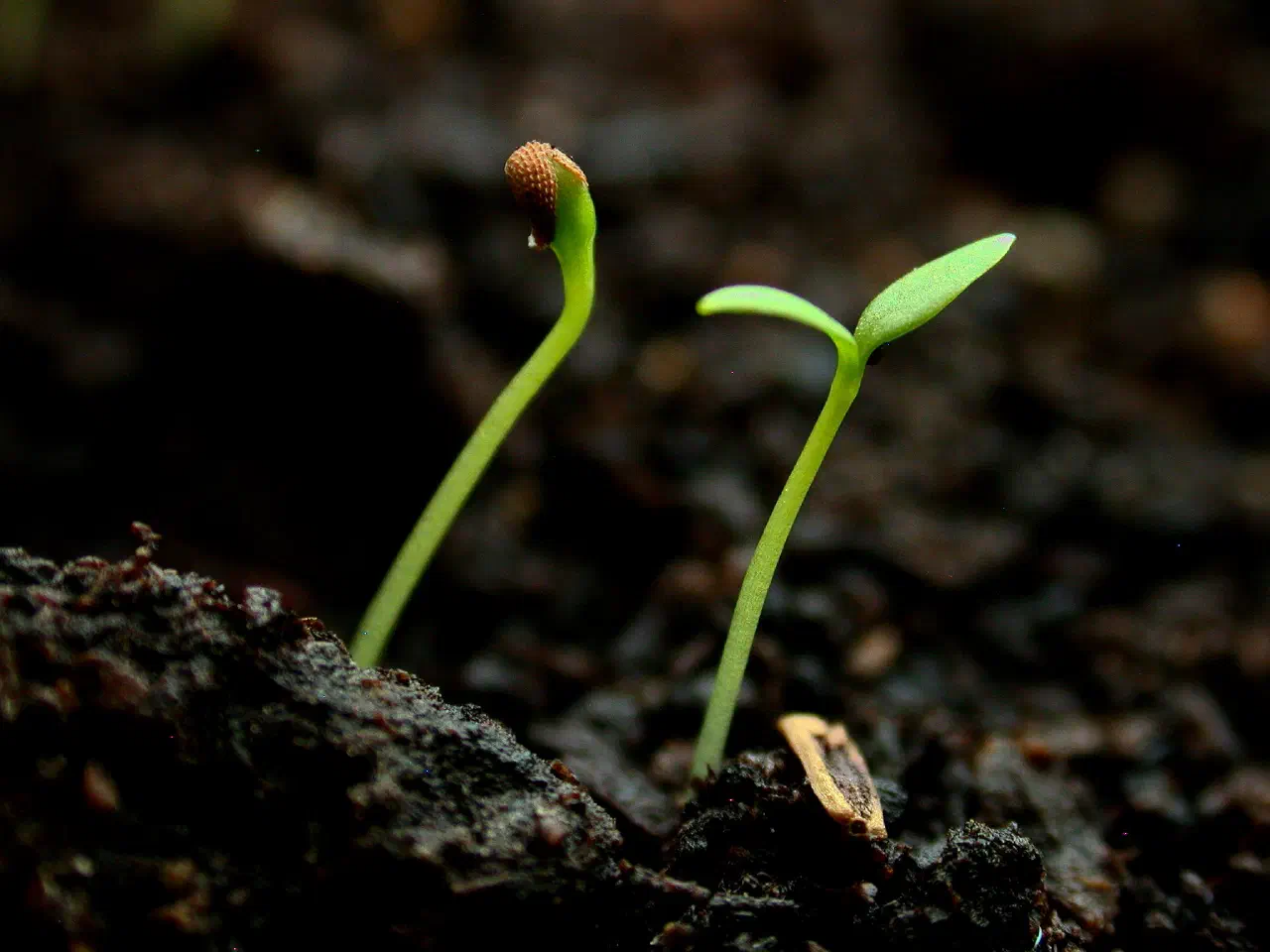
The Roman wine cellar (cella vinaria) at Boscoreale near Pompeii maintained a stable, cool temperature all year round. The builder didn’t have a thermometer. They had experience (generations of it) telling them to bury massive clay jars (dolia) deep in the earth, using the ground’s thermal mass to protect the fermenting wine from the Mediterranean heat. The result was passive climate control accurate enough to preserve and ferment wine for centuries.
Read More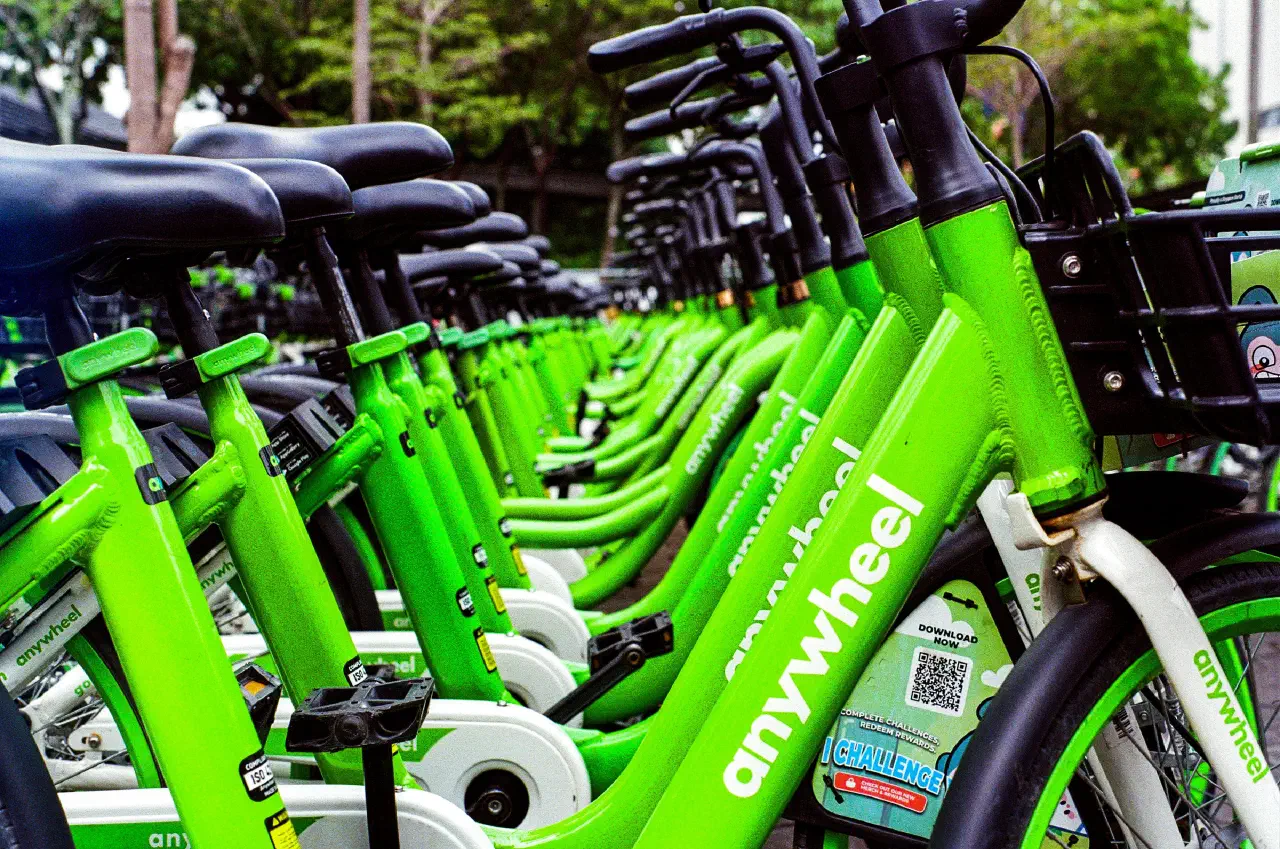
Your Smart Home Is a Rental
You paid $250 for a thermostat. It worked well for three years. Then the company changed their terms of service, and the device that had been operating locally now required a cloud connection (and a subscription) to access from your phone. You accepted the new terms, paid the monthly fee, and told yourself it was still worth it. Six months later, the company was acquired. Twelve months after that, the acquiring company announced that the platform was being discontinued. The thermostat was still physically functional, sitting on your wall, but without the servers it depended on, it became an expensive temperature display.
Read More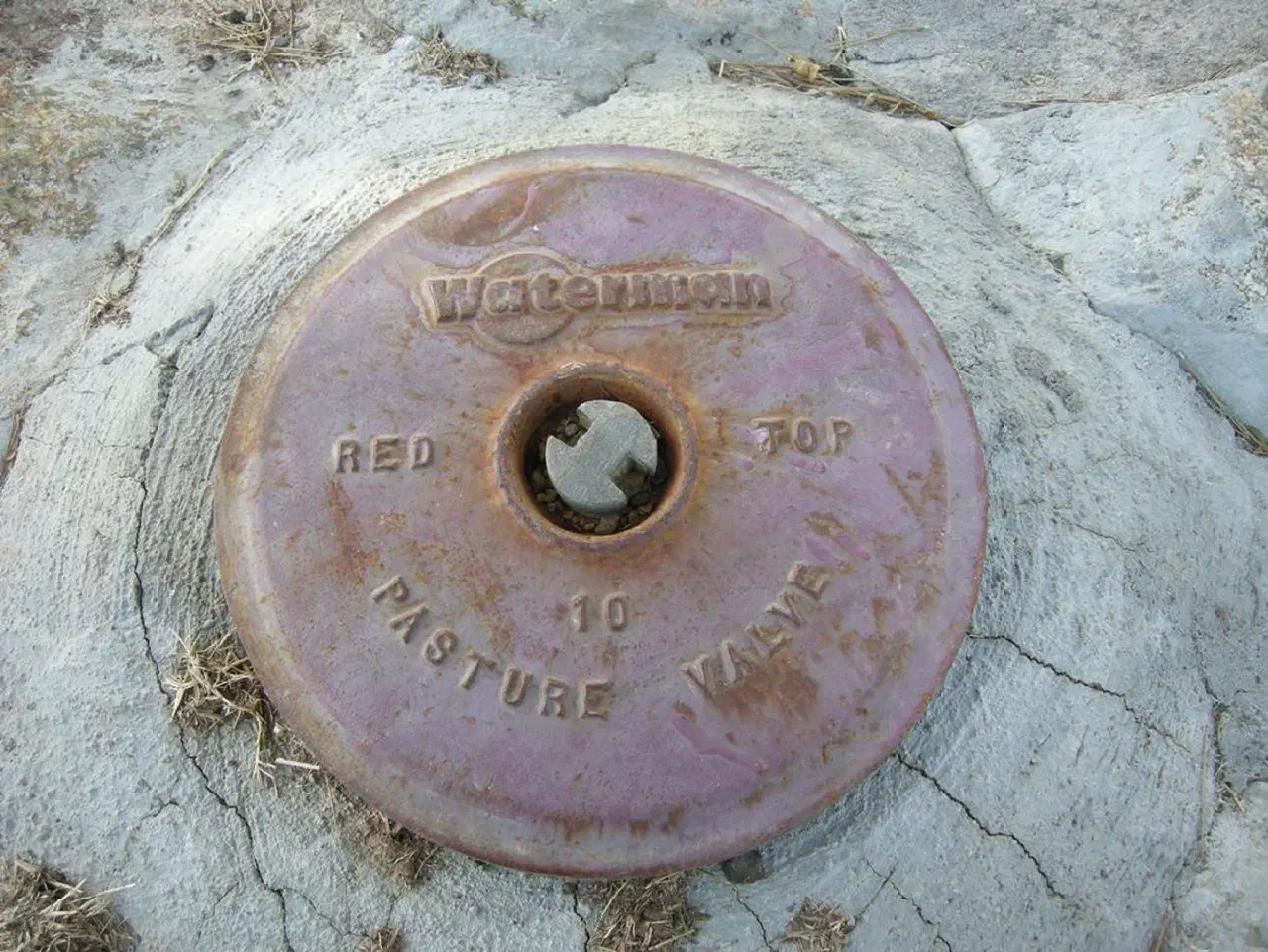
Fail-Safe by Default
The valve that closes itself. Not a clever feature: the minimum standard for any system that controls water near living things. If a microcontroller crashes mid-cycle and the irrigation solenoid stays open, a market garden can flood overnight. If a LoRaWAN connection drops after a valve opens and no close command ever arrives, the valve runs indefinitely. If a relay board loses power and restores its previous state on startup, it may turn on loads that should be off.
Read More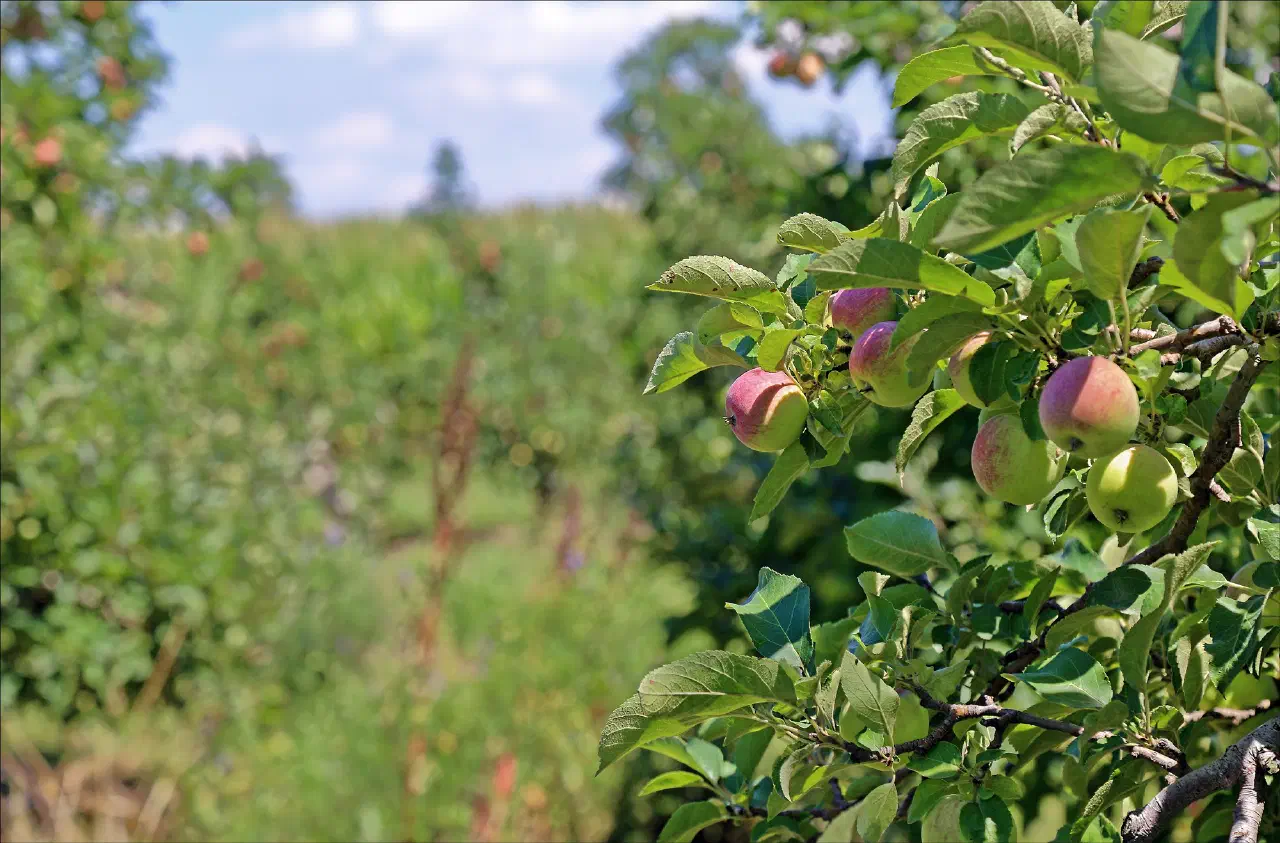
Water Has Memory
Tuesday at 6am. Eight minutes. Every week, regardless of what the previous week looked like. This is how most residential and small-scale commercial irrigation systems work. A timer, a programme, a schedule built around the convenience of the person who installed it rather than the needs of the living system it’s meant to serve. The controller doesn’t know that it rained 20mm on Sunday. It doesn’t know the soil is still saturated. It doesn’t know the canopy is wet and adding more water will encourage the fungal disease that’s been lurking at the edges of the patch for a fortnight.
Read More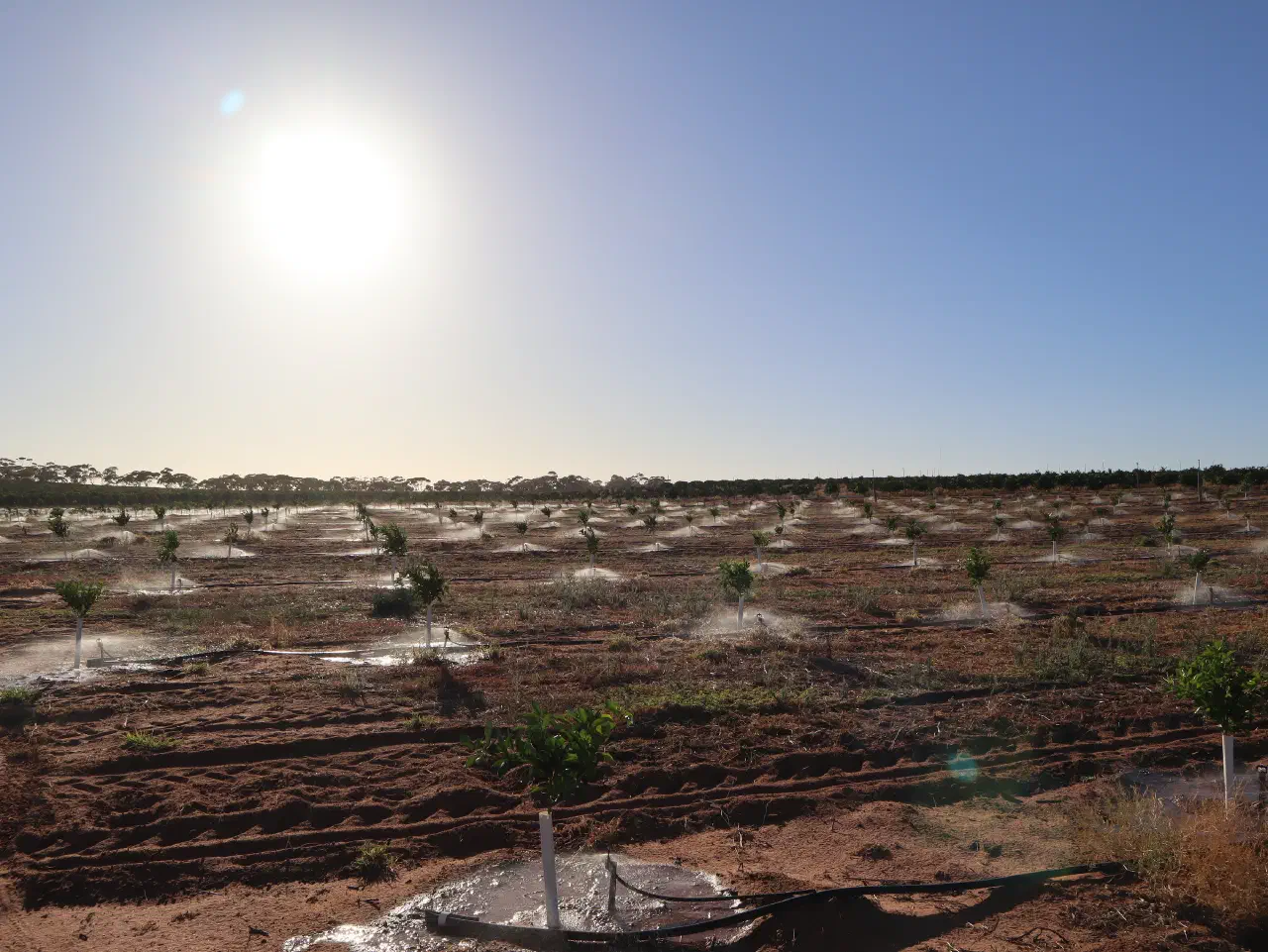
The Invisible Language of Plants
Plants don’t read thermometers. They don’t respond to temperature alone, or humidity alone. They respond to the relationship between them, specifically to the difference between the vapour pressure of water inside their leaves and the vapour pressure of the surrounding air. That difference has a name. Professional growers have used it for decades. Most small-scale horticulturalists have never encountered it. It’s called Vapour Pressure Deficit, and understanding it changes how you see every plant you’ve ever grown.
Read More
What Venice Still Has to Teach Us
I was standing inside St Mark’s Basilica on a recent trip to Venice, looking up at the mosaics while a wonderfully engaging guide walked us through the story of the Republic of Venice. She spoke not just about the art and architecture, but about something far more striking: how this small, lagoon-bound city managed to build a system that endured for around a thousand years. It’s one thing to read that fact in a book. It’s another to stand there, in a place shaped by that continuity, and feel the weight of it. Venice wasn’t just beautiful: it was stable, deliberate, and, for much of its life, remarkably effective.
Read More
Stewarding the Digital Commons
Our digital world is built on a foundation of critical infrastructure that is largely invisible, often thankless, and dangerously precarious. As I wrote recently on my personal blog , the story of open-source projects like Reticulum is a stark reminder of this reality. We depend on the brilliance and dedication of a few individuals who often work for years with little to no financial support, only to face burnout and disillusionment.
Read More
The Network is a Mycelial Web
In the quiet of the kitchen, a jar of vegetables begins to fizz. In the dark soil of a forest floor, a vast web of mycelium connects tree to tree. These are not just biological processes; they are living networks, operating on principles that make our most advanced human systems look primitive and fragile. As I’ve written before, there are profound microbial lessons for a living planet . The intelligence at work is decentralised, cooperative, and stunningly resilient. There is no CEO of the sourdough starter, no central server for the forest floor. The system works because it is a network of autonomous peers, each sensing and responding to its local environment, contributing to the health of the whole.
Read More
The Physics of Freedom
There are ideas so powerful they echo across different domains, revealing a fundamental truth about how the world works. Reading through The Zen of Reticulum , a foundational text for a new kind of communication network, I was struck by how its principles are not just about technology, but about the very physics of freedom and resilience. Reticulum is a network stack designed for a world where communication cannot be taken for granted. It is built to function over any available medium, with no central servers, and with privacy and security as its bedrock. It is, in essence, a system designed for self-sovereignty. Its philosophy rejects the extractive, controlling architectures that have come to define so much of the modern internet.
Read More
Part IV: Reclaiming Our Systems
Part IV: Reclaiming Our Systems, Our Humanity, and the Future We’ve seen the damage. A legal fiction with no conscience now has immense control over how we eat, how we heal, and how we live. In this series, I’ve tried to trace how corporate personhood mutated into a monster with more rights and power than any single citizen. We’ve looked at how this structure turned our food system into a machine that profits from hunger and disease, and how it hijacked our health system to monetise sickness.
Read MoreCategories
- Activism
- Alchemy
- Alpe Adria
- Alternatives
- Austria
- Automation
- Baking
- Beer
- Biomimicry
- Blueprints
- Botanicals
- Capitalism
- Cheese
- Collaboration
- Commodities
- Commons
- Community
- Connection
- Contemplation
- Cooperative
- Cooperatives
- Corporate Personhood
- Corporate Power
- Craft
- Customisation
- DAO
- Data Sovereignty
- Decentralisation
- Decentralised Ledger
- Decentralised Trust
- Democracy
- DePIN
- Design
- Digital Commons
- Digital Sovereignty
- Distillation
- Diversity
- DIY
- Eau De Vie
- Ecological Assets
- Elements
- Engineering
- Environment
- Environmental Sensing
- Essential Oil
- EU
- Farm Management
- Farm Technology
- Fermentation
- Food Industry
- Food Systems
- Foodsystem
- Forestry
- Future
- Glasshouse
- Governance
- Greenwashing
- Growing
- Health
- Healthcare
- History
- Home Assistant
- Horticultural
- Hydroponics
- Hydrosol
- Impact Investing
- Institutions
- Insurance
- IoT
- Irrigation
- Law
- Legacy
- Living Systems
- Local Food Systems
- LoRaWAN
- Maker
- Meaning
- Mindfulness
- MQTT
- Mrv
- Mycelium
- Native Plants
- Nature
- Networks
- Offline-First
- Open Source
- Partnerships
- Permaculture
- Pharmaceuticals
- Plants
- Platform Co-Op
- Post-Capitalism
- Preservation
- Privacy
- Public LoRaWAN
- Refi
- Regenerative
- Regenerative Agriculture
- Resilience
- Reticulum
- Safety
- Schnaps
- Science
- Sense
- Sensors
- Slowfood
- Small Farm Tech
- Soil
- Solar Power
- Sourdough
- Stewardship
- Sustainability
- Sustainable Gardening
- Systems Change
- Systems Thinking
- Tech Critique
- Technology
- Timber
- Tradition
- Urban Gardening
- USA
- User Interface
- Valueflows
- Venice
- VPD
- Water
- Water Management
- Web3
- Zerowaste