Articles
- Home /
- Articles
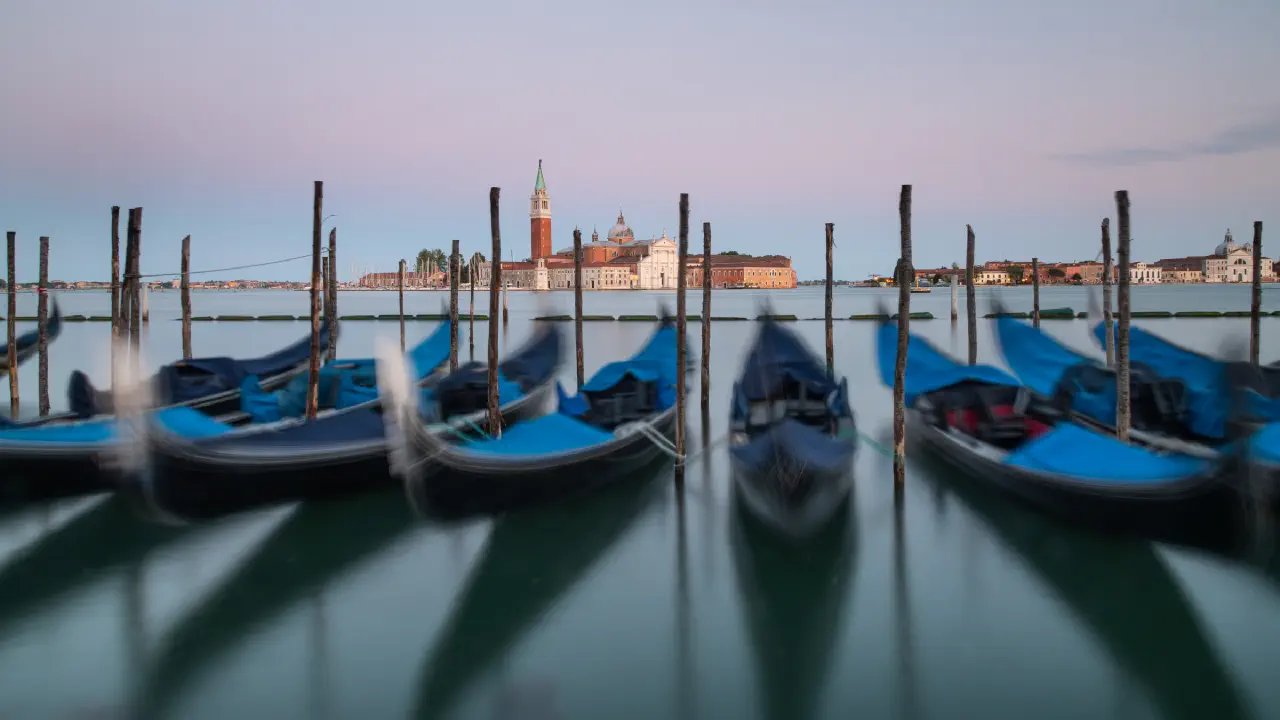
What Venice Still Has to Teach Us
I was standing inside St Mark’s Basilica on a recent trip to Venice, looking up at the mosaics while a wonderfully engaging guide walked us through the story of the Republic of Venice. She spoke not just about the art and architecture, but about something far more striking—how this small, lagoon-bound city managed to build a system that endured for around a thousand years. It’s one thing to read that fact in a book. It’s another to stand there, in a place shaped by that continuity, and feel the weight of it. Venice wasn’t just beautiful—it was stable, deliberate, and, for much of its life, remarkably effective.
Read More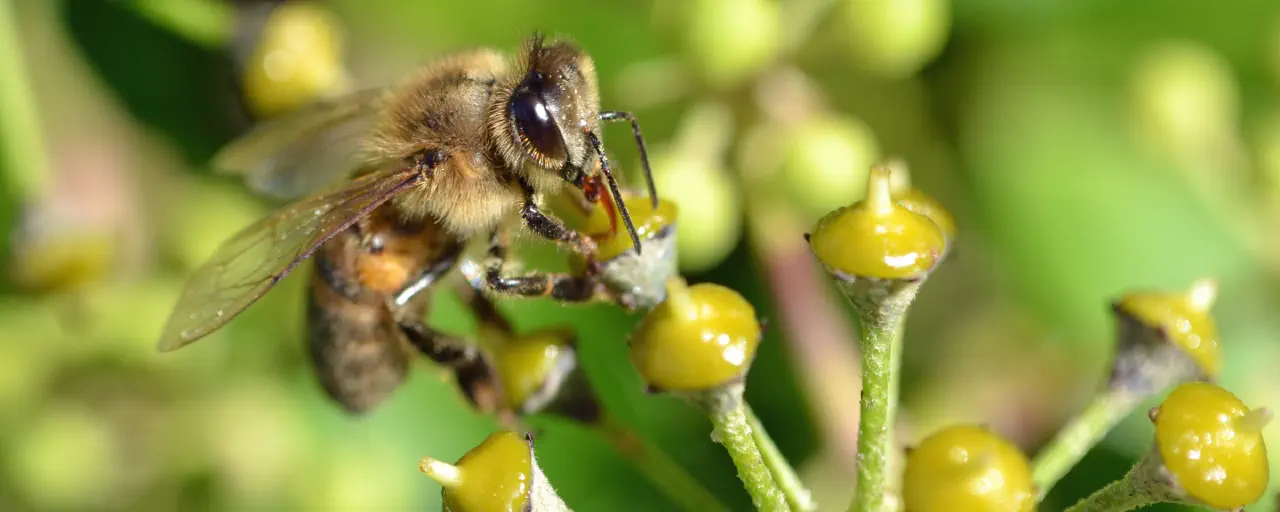
Stewarding the Digital Commons
Our digital world is built on a foundation of critical infrastructure that is largely invisible, often thankless, and dangerously precarious. As I wrote recently on my personal blog , the story of open-source projects like Reticulum is a stark reminder of this reality. We depend on the brilliance and dedication of a few individuals who often work for years with little to no financial support, only to face burnout and disillusionment.
Read More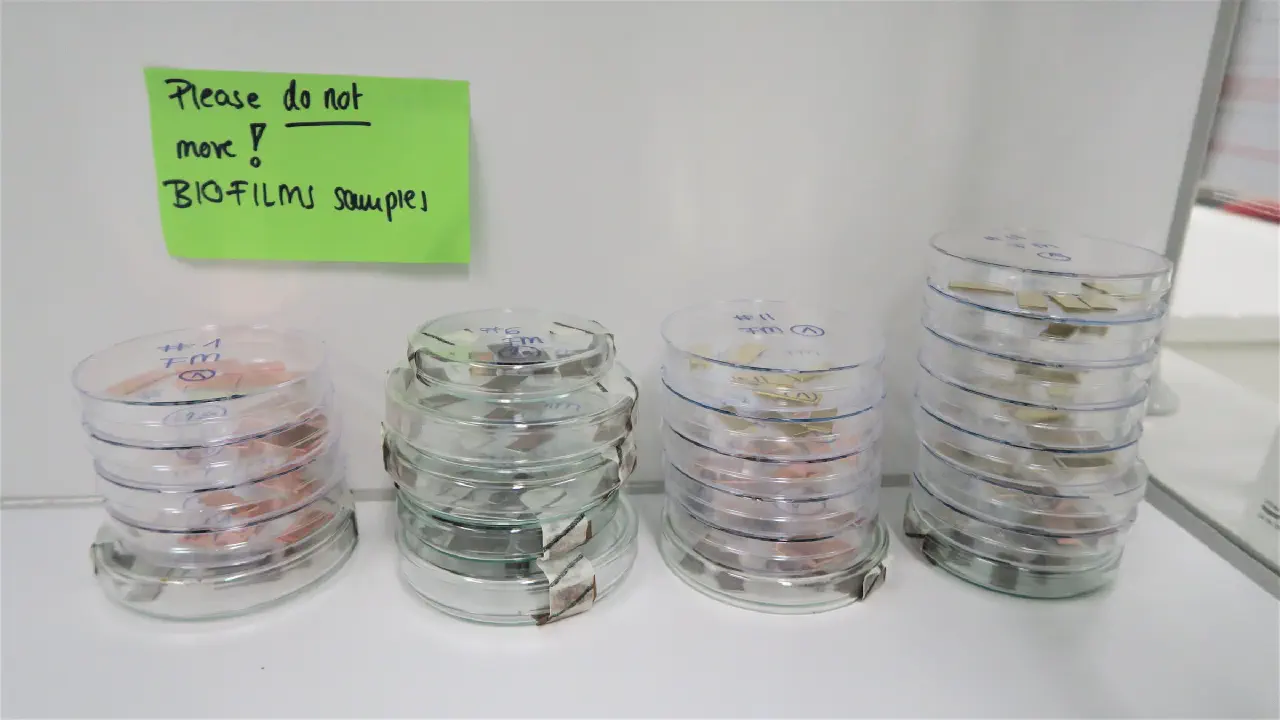
The Network is a Mycelial Web
In the quiet of the kitchen, a jar of vegetables begins to fizz. In the dark soil of a forest floor, a vast web of mycelium connects tree to tree. These are not just biological processes; they are living networks, operating on principles that make our most advanced human systems look primitive and fragile. As I’ve written before, there are profound microbial lessons for a living planet . The intelligence at work is decentralised, cooperative, and stunningly resilient. There is no CEO of the sourdough starter, no central server for the forest floor. The system works because it is a network of autonomous peers, each sensing and responding to its local environment, contributing to the health of the whole.
Read More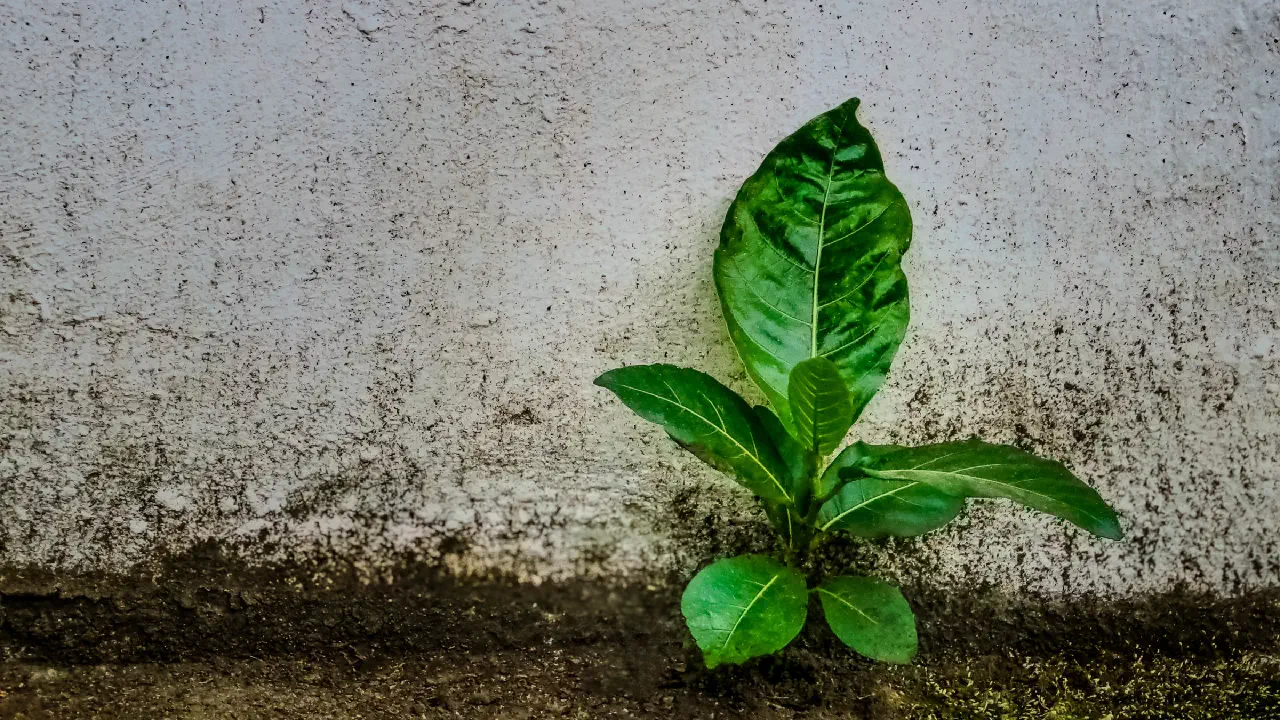
The Physics of Freedom
There are ideas so powerful they echo across different domains, revealing a fundamental truth about how the world works. Reading through The Zen of Reticulum , a foundational text for a new kind of communication network, I was struck by how its principles are not just about technology, but about the very physics of freedom and resilience. Reticulum is a network stack designed for a world where communication cannot be taken for granted. It is built to function over any available medium, with no central servers, and with privacy and security as its bedrock. It is, in essence, a system designed for self-sovereignty. Its philosophy rejects the extractive, controlling architectures that have come to define so much of the modern internet.
Read More
Part IV: Reclaiming Our Systems
Part IV: Reclaiming Our Systems, Our Humanity, and the Future We’ve seen the damage. A legal fiction with no conscience now has immense control over how we eat, how we heal, and how we live. In this series, I’ve tried to trace how corporate personhood mutated into a monster with more rights and power than any single citizen. We’ve looked at how this structure turned our food system into a machine that profits from hunger and disease, and how it hijacked our health system to monetise sickness.
Read More
Part III: Sick by Design
Part III: Sick by Design – How Shareholder Health Care Profits from Human Suffering I think most of us want to believe that healthcare exists to make people well. That hospitals are sanctuaries and doctors are healers. That the system, for all its flaws, is fundamentally trying to help. But when I peel back the glossy brochures and the soothing language of “care,” I find something much colder at the centre of it all: a corporate machine engineered not to heal, but to monetise illness.
Read More
Part II: Food for Profit
Part II: Food for Profit – How Corporations Engineered Hunger in a World of Plenty In a world of unprecedented agricultural abundance, I am sure that I am not the only one who is struck by the cruel paradox that billions still go hungry, while others are dying from diseases of overconsumption. This situation—scarcity amid plenty, malnutrition amid surplus—is no accident. I believe it is the calculated outcome of a food system built not to feed people, but to feed profits.
Read More
Part I: The Legal Lie
Part I: The Legal Lie How Corporate Personhood Slowly Broke the World I’ve always held a firm belief that in a democracy, we, the people, are supposed to be in charge. Yet, over the last 150 years, we’ve mostly missed a silent coup unfold—one that has steadily replaced the citizen with the shareholder, the voter with the lobbyist, and the human being with a legal fiction: the corporation as a person.
Read More
Investing in Outcomes
We have journeyed from the personal story behind GrowGood to the way its Blueprints are being designed to speak the language of your farm. Now, we arrive at the most crucial part of our conversation: the future we can grow together. This is a vision that extends beyond the farm gate, connecting our individual efforts into a powerful, collective force for regeneration. This goes beyond tools. The aim is to build infrastructure for a new kind of economy—one that invests in outcomes, not just outputs.
Read More
Speaking the Language of the Land
In our first conversation, we talked about the need to re-value farming—to move beyond tools of extraction and build something that honours the complexity of living systems. Now, let’s explore how we intend to do that. It starts by learning to speak the language of the land, one farm at a time. For too long, technology has demanded that farmers adapt to its rigid logic. The world of regenerative agriculture is diverse and dynamic—a market gardener thinks in beds and successions, a flower farmer in stems and bloom cycles, and a grazier in paddocks and pasture recovery times. Forcing them into a single, generic mould is not just inefficient; it’s an act of erasure. It silences the unique story of their farm.
Read More- Activism
- Alchemy
- Alpe Adria
- Austria
- Baking
- Biomimicry
- Blueprints
- Botanicals
- Capitalism
- Collaboration
- Commodities
- Commons
- Community
- Connection
- Contemplation
- Cooperative
- Cooperatives
- Corporate Personhood
- Corporate Power
- Craft
- Customisation
- DAO
- Data Sovereignty
- Decentralisation
- Decentralised Ledger
- Decentralised Trust
- Democracy
- DePIN
- Digital Commons
- Digital Sovereignty
- Distillation
- Diversity
- DIY
- Eau De Vie
- Ecological Assets
- Elements
- Environment
- Environmental Sensing
- Essential Oil
- EU
- Farm Management
- Farm Technology
- Fermentation
- Food Industry
- Food Systems
- Foodsystem
- Forestry
- Future
- Governance
- Greenwashing
- Health
- Healthcare
- History
- Home Assistant
- Hydroponics
- Hydrosol
- Impact Investing
- Institutions
- Insurance
- IoT
- Irrigation
- Law
- Legacy
- Living Systems
- Local Food Systems
- LoRaWAN
- Maker
- Meaning
- Mindfulness
- Mrv
- Mycelium
- Native Plants
- Nature
- Networks
- Open Source
- Partnerships
- Permaculture
- Pharmaceuticals
- Platform Co-Op
- Post-Capitalism
- Preservation
- Public LoRaWAN
- Refi
- Regenerative
- Regenerative Agriculture
- Resilience
- Reticulum
- Schnaps
- Sense
- Sensors
- Slowfood
- Small Farm Tech
- Solar Power
- Solutions
- Sourdough
- Stewardship
- Sustainability
- Sustainable Gardening
- Systems Change
- Systems Thinking
- Timber
- Tradition
- Urban Gardening
- USA
- User Interface
- Valueflows
- Venice
- Web3
- Zerowaste